
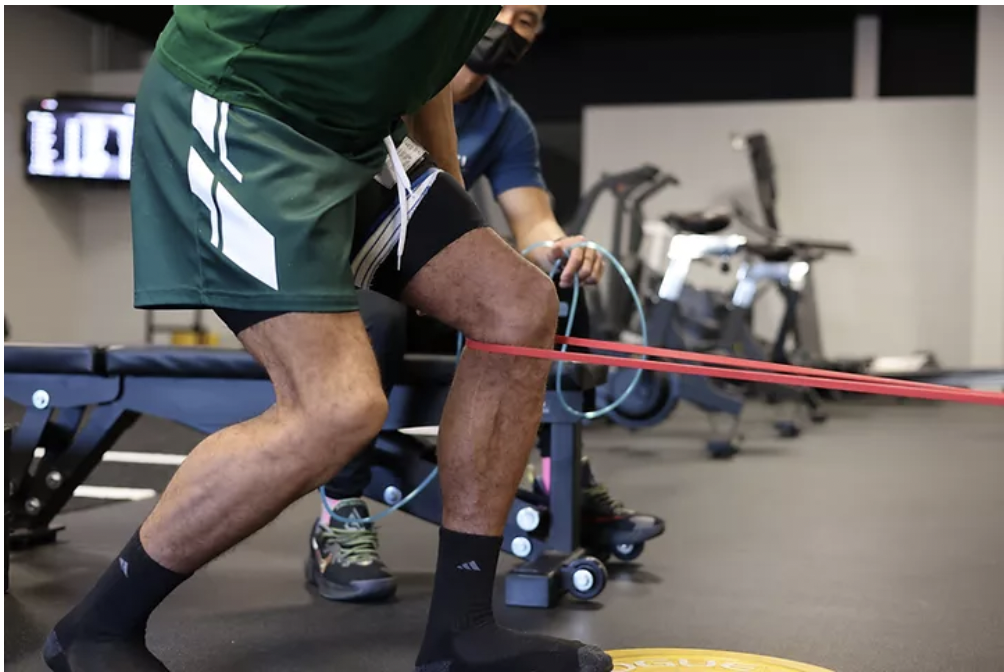

An anterior cruciate ligament tear is a common injury that affects knee stability. A structured rehabilitation program includes specific physical therapies, and proper education helps patients actively participate in their recovery. By understanding the mechanics of the injury, individuals can approach their recovery with accurate expectations. Here is more information on the nature of an ACL tear and the methods for regaining physical strength:
What Is an ACL Tear?
The anterior cruciate ligament connects the thigh bone to the shin bone. This ligament prevents excessive forward movement of the tibia, and it provides rotational stability to the knee joint. When an individual sustains an ACL tear, the ligament fibers stretch beyond their capacity or rupture completely. The injury disrupts the normal mechanics of the knee structure.
What Causes It?
An ACL tear may occur during sports activities that involve sudden deceleration or sharp changes in direction. Athletes may sustain this injury when landing awkwardly from a jump, and direct collisions also have the potential to cause ligament rupture. When the knee twists while the foot remains planted, the rotational force overloads the ligament. These biomechanical failures can happen in both competitive and recreational environments.
What Are the Symptoms?
Patients who have sustained this type of knee injury may present with several distinct symptoms. These include:
- A popping sensation in the knee at the moment of injury, followed by rapid swelling.
- A significant loss of range of motion and severe pain that makes weight-bearing difficult.
- A feeling of instability in the knee joint during attempted physical activity.
- The presence of joint effusion, where blood fills the joint space and restricts normal bending.
Ignoring these initial signs can lead to chronic instability and secondary damage to the meniscus or articular cartilage.
What Does Recovery Involve?
The recovery process begins with reducing initial swelling and managing localized pain. Physicians often prescribe rest and ice application, and patients can use crutches to avoid bearing weight on the affected leg. Surgical reconstruction replaces the torn ligament with a tissue graft. Following the operation, individuals engage in a structured physical therapy program.
The rehabilitation protocol gradually reintroduces weight-bearing activities, and therapists monitor the progression of joint stability. Consistent adherence to the therapy schedule may yield improved functional outcomes. The rehabilitation timeline varies based on individual physiological responses. When clinicians evaluate readiness for discharge, they may use functional testing protocols to confirm that the joint has adequate stability for unrestricted movement.
How Can You Build Strength?
Strength building relies on targeted exercises that engage the quadriceps, hamstrings, and calves. Therapists may use isometric exercises during the early stages of recovery because these movements activate muscles without joint movement. The patient gradually progresses to new stages, and therapists may introduce specific movements that replicate natural daily activities while protecting the healing graft.
Balance training plays a valuable role in the overall strengthening protocol, and proprioceptive exercises help improve the body’s ability to sense joint position. This neuromuscular control prevents future re-injury. The final phase of therapy prepares the individual for a safe return to regular physical activities, thereby enhancing overall quality of life. The comprehensive program helps restore the muscular power required for demanding physical tasks.
Consult a Specialist Now
Healthcare providers effectively navigate complex joint injuries. Patients benefit from continuous monitoring, and clinicians adjust the rehabilitation parameters based on objective progress. If you experience persistent joint instability, an orthopedic evaluation provides valuable diagnostic information. Contact a certified sports medicine clinic today to initiate your functional recovery program.