
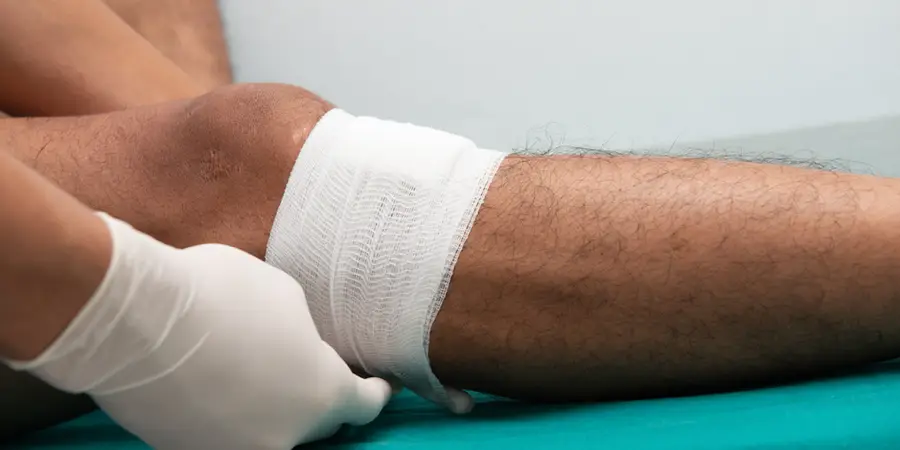

Venous ulcers are open sores that usually form on the lower leg, often near the ankle. They develop when damaged or poorly working leg veins allow fluid and pressure to collect in nearby tissue. The skin may become firm, discolored, itchy, or swollen before a wound appears. Because these ulcers can last for weeks or months without structured care, evaluation by a clinician helps identify the venous problem, skin changes, and wound needs. Here’s how vascular specialists address venous ulcers effectively:
Why Venous Ulcers Happen
Leg veins contain valves that help move blood back toward the heart. When valves weaken, blood moves backward toward the feet instead of upward. This causes blood to pool in the lower legs, and pressure builds in the small veins near the skin. Vein pressure from venous insufficiency can contribute to:
- Swelling
- Skin Inflammation
- Tissue Breakdown
Some common contributors to developing venous ulcers include chronic venous insufficiency, a history of blood clots, varicose veins, leg injury, pregnancy, limited mobility, and prolonged standing. Weight can also increase pressure in the leg veins. Not every person with these factors develops an ulcer, but these factors may increase risk.
How They Are Diagnosed
A vascular specialist usually starts with a medical history and a focused leg exam before diagnosing any condition. The exam may include checking the ulcer location, skin color, swelling, drainage, tenderness, and nearby pulses. The clinician will ask about prior clots and medical history, and how long a wound has been present.
Doppler ultrasound is often used to evaluate the veins; this test uses sound waves to show blood flow and valve function. Ultrasound screenings can show reflux, which means blood is moving in the wrong direction through a vein. It may also help identify blocked veins or older clot-related changes.
Wound assessment is another key part of any diagnostic evaluation. The clinician documents the ulcer size, depth, tissue appearance, drainage, and signs of irritation or infection. Some patients need lab testing or circulation studies when the diagnosis is not clear. These steps help separate venous ulcers from:
- Arterial Ulcers
- Pressure Injuries
- Diabetic Foot Wounds
- Skin Conditions That Look Similar
How To Manage Venous Ulcers
Managing a venous ulcer primarily means focusing on wound care and swelling control. Wound care may involve cleaning, moisture-balanced dressings, skin protection, and scheduled monitoring. Treatment plans vary based on the wound and an individual’s vascular health. Compression therapy is a central part of venous ulcer care for many patients. Compression levels vary, and a clinician can recommend the appropriate type based on circulation testing and ulcer features.
Medical compression stockings, wraps, or bandage systems may reduce swelling and support venous return. They must fit correctly to avoid skin injury or poor pressure distribution. Improving venous health may also include weight management and regular movement; weight loss may reduce pressure on leg veins in people with excess body weight. Walking activates the calf muscles, which help move blood upward from the legs. A specialist may recommend a simple exercise plan, leg elevation, and skin care to reduce irritation around the ulcer.
Endovenous laser therapy may be part of specialist care when testing shows reflux in a treatable superficial vein. During the procedure, a clinician places a thin fiber into the targeted vein to deliver laser energy along the vein wall. The laser closes the selected vein, and blood flow is redirected through other veins. This approach is recommended after diagnostic imaging, clinical review, and discussion of risks, benefits, and alternatives.
When To Visit a Specialist
A specialist should evaluate a leg ulcer that does not improve with basic wound care, returns after closing, or appears with swelling and skin discoloration. Signs and symptoms like an odor or expanding size also signal that an evaluation is needed. People with diabetes, poor circulation, prior blood clots, or multiple medical conditions should seek prompt clinical assessment. If you want to learn about your vascular health, contact a vein specialist to schedule a consultation. A vein specialist can identify venous concerns and coordinate wound care.