
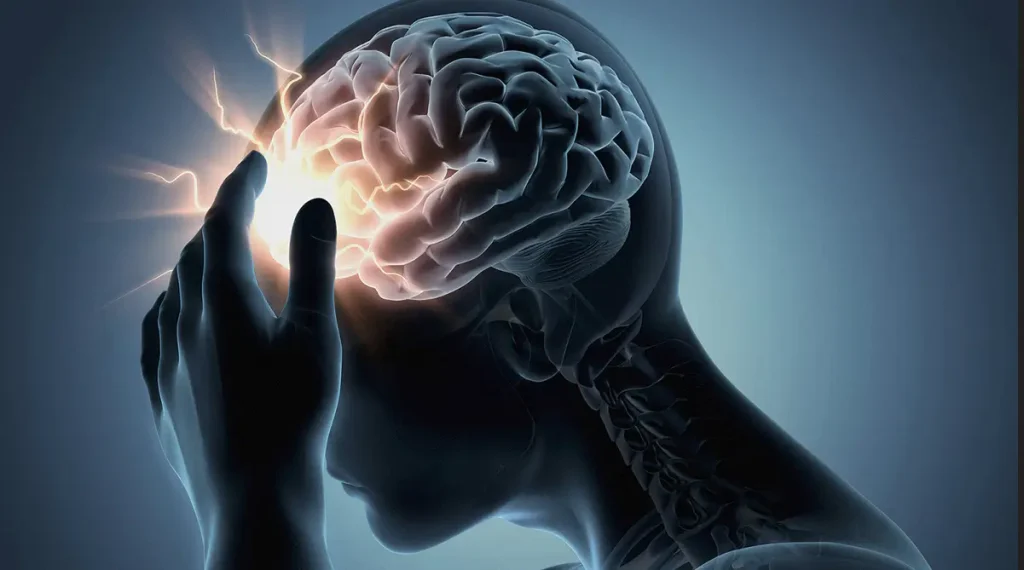

Head trauma occurs when a sudden force damages the brain, whether from a fall, collision, or blunt impact. Mild concussions and severe traumatic brain injuries (TBIs) both carry risks that extend well beyond the initial injury. Repeated or severe head trauma may cause lasting neurological changes that affect how people think, remember, and function daily. This is how these effects give patients and caregivers a clearer picture of what recovery and management may involve:
Loss of Memory
Memory loss ranks among the most documented long-term effects of head trauma. The hippocampus, a brain region central to memory formation, is particularly vulnerable to traumatic injury. Damage in this region disrupts the brain’s ability to encode new information, and patients may also lose access to memories formed before the injury.
Patients with moderate to severe TBIs may report long-term difficulty retaining daily information. Forgetting appointments, conversations, and recent events becomes a consistent pattern. Simple memory tasks that once felt automatic now require significant effort, and this cognitive burden compounds over time.
Impairment of Processing Speed
Processing speed refers to how quickly the brain absorbs and responds to information. Head trauma can slow this speed by disrupting pathways that carry signals across the brain. Slower processing affects reading, decision-making, and real-time communication.
Signs of reduced processing speed include:
- Series of delayed responses during conversation
- Difficulty following fast-paced instructions
- Trouble multitasking in previously manageable situations
Because white matter damage is not always visible on standard imaging, processing speed deficits often go undetected. Neuropsychological testing provides a more reliable measure of this impairment. Patients who notice unusual mental slowness after a head injury benefit from formal evaluation.
Decline of Cognitive Skills
Cognitive decline following head trauma extends beyond memory and speed. Attention, language fluency, and reasoning can weaken after significant brain injury. These deficits appear gradually, and they may not become obvious until months after the initial event.
Attention deficits are particularly disruptive. Patients struggle to sustain focus on tasks, and they frequently lose their train of thought mid-activity. Distractibility increases, which makes structured work environments difficult to manage.
Language-related changes include word-finding difficulties and reduced verbal fluency. A patient may know what they want to say but fail to retrieve the correct word quickly. Since language depends on broad cortical networks, even localized trauma can interrupt speech and comprehension pathways.
Dysfunction of Executive Abilities
Executive function governs planning, impulse control, and flexible thinking. The prefrontal cortex, the brain region most responsible for these abilities, is frequently damaged in frontal lobe injuries. When it is damaged, patients lose the capacity to sequence tasks and adapt to changing situations. Patients may act impulsively, make poor financial decisions, or struggle to initiate tasks without external prompting. Family members may notice these shifts before the patient does, since self-awareness itself is an executive skill.
Get Treated for Head Trauma
Long-term cognitive effects from head trauma are measurable, documented, and treatable through structured medical intervention. Neurosurgeons and specialists work together to assess specific deficits and create targeted treatment plans. If you or someone you know has experienced trauma, schedule a neurological evaluation now and take the first step toward understanding the full extent of the injury.