
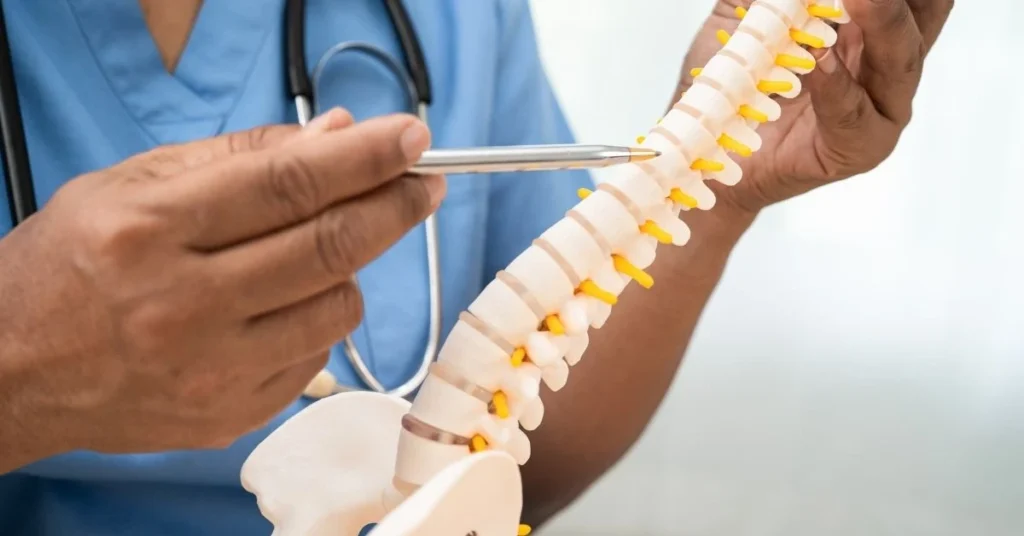

Spinal stenosis is a degenerative condition characterized by narrowing of the spaces within the spinal canal. It often develops in the lower back and neck due to age-related changes and ongoing spinal wear, and symptoms vary by location and severity. Understanding spinal stenosis and its treatment options helps you make informed decisions with your healthcare team. Here is more information about this condition and its treatment options:
Defining the Structural Change
Spinal stenosis develops when the spinal canal loses space. As the canal narrows, it places pressure on the nerves running through it. This process occurs gradually, so changes may become noticeable only after progressing over a period of time. Imaging tools like X-rays and MRI scans help providers identify where the narrowing occurs and how much space remains.
Evaluating Your Condition
Providers assess spinal stenosis by combining physical observations with medical imaging results. They may ask about changes in your daily mobility and whether specific activities such as walking, standing, or bending produce physical discomfort. Clinical assessments match these physical reports with imaging data; this dual approach gives providers a clearer picture of both the structural changes and their practical effects on your routine.
Starting With Conservative Management
Treatment discussions often begin with conservative management, and physical therapy serves as a fundamental component of this approach. Therapists build individualized exercise programs focused on strengthening the surrounding muscles, improving flexibility, and stabilizing spinal structures. Providers also discuss practical lifestyle adjustments alongside formal therapy, which may include:
- Modifying daily tasks to reduce prolonged strain on the spine
- Adjusting posture habits during seated and standing activities
- Adding targeted stretching routines to a morning or evening schedule
- Pacing physical activity to avoid overloading the affected area
Exploring Medication and Surgical Options
When conservative strategies require reinforcement, providers may shift discussions toward medical management. Over-the-counter and prescription medications address local inflammation and physical discomfort. Providers outline their recommended options based on your specific situation. Corticosteroid injections represent another avenue some providers discuss; these injections deliver targeted medication to the affected spinal area. The goal is to reduce physical symptoms enough to allow you to participate fully in therapy and daily activities.
Surgical options may be discussed when conservative management, physical therapy, and medications do not provide adequate relief. Some procedures create more space within the spinal canal; this reduces pressure on the affected nerves. Providers may evaluate the specific location of the narrowing along with your overall physical health before presenting a surgical path forward. These conversations cover the mechanical objectives of the procedure as well as the recovery timeline and logistics.
Learn More About Spinal Stenosis
Conservative treatment strategies for spinal stenosis often include physical therapy, lifestyle modifications, and activity adjustments. These measures allow providers to evaluate symptom progression before discussing more advanced interventions. When additional treatment is needed, medications, injections, and surgical procedures become potential options, and providers discuss each in detail. Treatment recommendations are based on a thorough assessment of your condition and daily functional needs. Schedule a consultation with a qualified healthcare professional to learn more.