
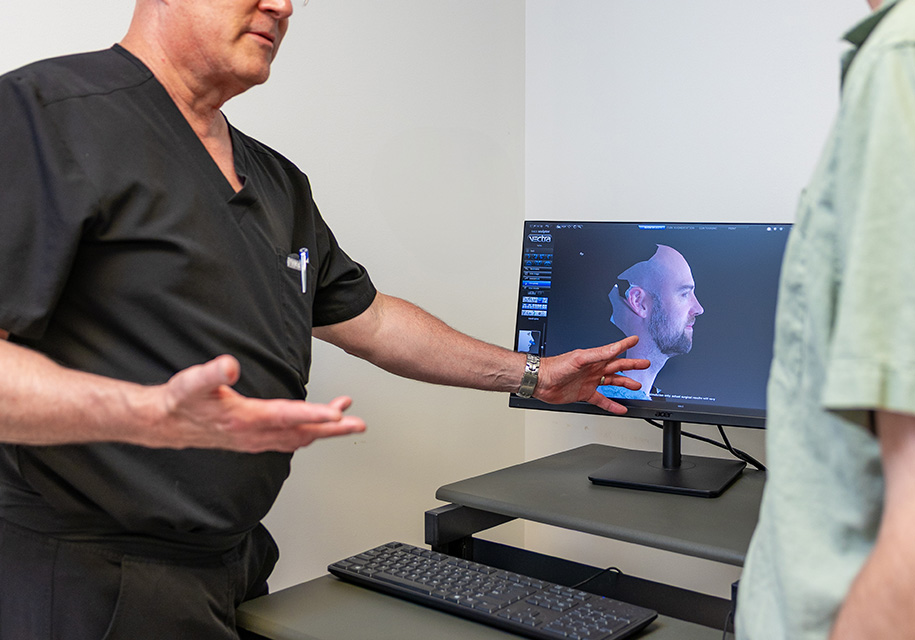

A plastic surgeon specializes in repairing, reshaping, or restoring parts of the body. Their work covers reconstructive procedures, such as treating injuries or birth differences, and cosmetic procedures that change a person’s appearance. This sets them apart from many other surgeons, who often focus on one organ or system. Choosing the appropriate plastic surgeon for your needs means finding a specialist who has expertise in the procedure you’re interested in. Here’s information on plastic surgeons and what to look for when choosing a new provider:
Verify They Are Board-certified
Board certification shows that a surgeon has completed extra training and passed exams in their field, which is imperative for effective care. Look for certification from a recognized board, such as the American Board of Plastic Surgery. This tells you the plastic surgeon has met clear standards set by their profession. You can usually check a surgeon’s certification online, and many boards offer search tools on their websites.
Certification is not the same as a basic medical license, so it is worth confirming both. A board-certified surgeon has undergone deeper training in plastic surgery. When you review a surgeon’s credentials, also note how long the surgeon has practiced. Experience in a specific procedure can matter as much as general training. When possible, ask a practice how often a surgeon performs the type of treatment you are interested in.
Confirm Treatments Align With Your Needs
Not every plastic surgeon specializes in the same areas; some focus on reconstructive work, while others spend more time on cosmetic treatments. Before you commit to any procedure, make sure the surgeon’s services match what you are looking for and meet them for a consultation. Before you visit a specialist, start by listing your goals and any questions you have. If your needs fall outside their usual work, they may refer you to someone else. It also helps to ask about their specific surgical approach.
Schedule a Consultation
A consultation is an opportunity to talk with the surgeon about your goals and concerns. This is the time to ask questions, learn about your options, and get to know your surgeon. Scheduling a consultation does not mean you have to book or agree to any treatment afterward, so do not feel pressured to commit to anything. Use this consultation time to ask practical questions. You might ask about things like:
- Recovery
- Possible Risks
- Procedure Expectations
Take notes if it helps, and do not make a treatment decision on the spot. A good consultation should leave you informed rather than pressured. You can always meet with more than one surgeon before deciding.
Work With a Plastic Surgeon
Choosing a plastic surgeon may take time, but finding a specialist who fits your needs is fundamental to effective care. When searching for a provider, start by checking board certification, then confirm that the surgeon offers the treatments you need. A consultation gives you space to ask questions and understand your options without any pressure to move forward. In an effective medical relationship, clear communication is a good sign that you have found the right match. Look into board-certified surgeons near you to start finding one that is appropriate for your goals.