

Patients experiencing digestive distress benefit from scheduling visits with medical specialists to address their symptoms. A gastroenterologist specializes in the human digestive tract, and they diagnose various conditions affecting these organs. Understanding the standard clinical procedures helps patients prepare for the initial consultation, enabling informed decision-making.
What Is a Gastroenterologist?
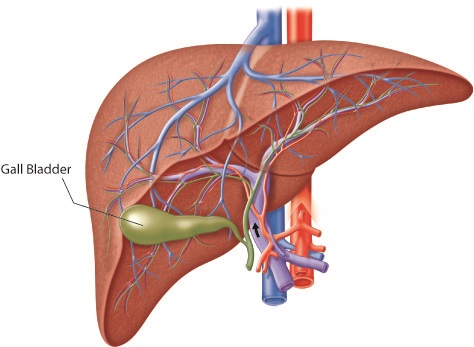
A gastroenterologist is a medical doctor who completes specialized training in the digestive system and its disorders. These specialists focus on organs spanning from the esophagus down to the rectum. They treat conditions involving the stomach, intestines, liver, pancreas, and gallbladder, because these interconnected organs process food and waste. Patients receive targeted medical care that is tailored to their specific anatomical needs, which may improve outcomes.
What Services Do They Provide?
Gastroenterology clinics offer both diagnostic testing and ongoing disease management. Doctors perform endoscopic procedures, which involve inserting flexible tubes with cameras to visualize internal organs. They prescribe medications, and they monitor chronic digestive diseases through regular checkups.
Preventive care is a key service offered by gastroenterologists. Colonoscopies screen for colorectal cancer, and these routine procedures detect precancerous polyps before they develop into malignant tumors. Through these varied medical services, specialists help maintain overall digestive health.
What Happens During an Appointment?
The initial consultation typically begins with a comprehensive review of the patient’s medical history. The doctor will ask detailed questions about their current symptoms, and they will review any previous lab results or imaging studies. Be prepared to discuss family medical history, as genetics may play a role in digestive disorders.
Following the verbal assessment, the physician may conduct a physical examination of the abdomen. They press on different areas to check for tenderness, and they may use a stethoscope to listen to bowel sounds. Based on these initial findings, the specialist will determine if further diagnostic testing is warranted. The specialist may order blood tests or stool samples.
How Can You Prepare?
Preparation involves organizing medical records before arriving at the clinic. Compile a written list of current medications, and note any specific food triggers that exacerbate symptoms. Bringing a detailed timeline of digestive issues allows the doctor to establish an accurate initial assessment. Arriving fifteen minutes early gives patients time to complete the necessary intake paperwork, which streamlines the process.
How Is Professional Care Beneficial?
Seeking targeted medical intervention helps prevent mild digestive symptoms from escalating into severe complications. Specialists can interpret nuanced test results, and they construct individualized treatment protocols. Patients may achieve better health outcomes when they consult trained experts instead of relying on general home remedies.
Professional oversight also provides precise monitoring of chronic conditions over extended periods. Regular evaluations detect subtle changes in disease progression, which allows the physician to adjust medications promptly. This proactive management strategy may improve the patient’s gastrointestinal health, and this contributes to overall quality of life.
Know What To Expect
Navigating your first gastroenterology appointment becomes manageable when you understand the clinical process. Specialists evaluate the digestive system, and they utilize advanced diagnostic tools to formulate appropriate treatment plans. Preparing your medical information beforehand facilitates a productive dialogue with your physician.
Do not ignore persistent digestive symptoms or prolonged abdominal discomfort. Professional evaluation provides answers, and targeted medical therapy may resolve underlying physiological issues. Contact your local gastroenterology clinic today to schedule your initial consultation.