
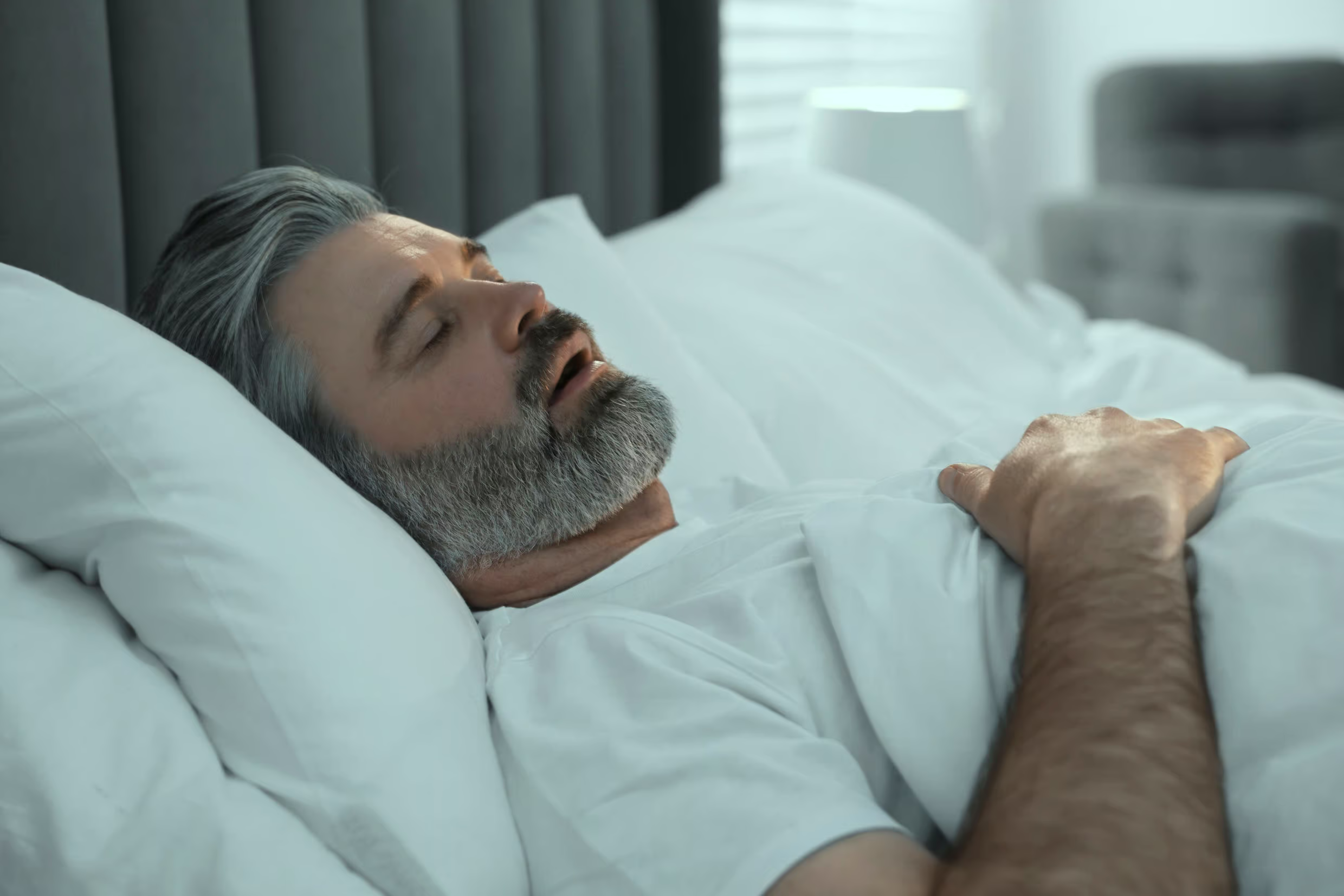

A snoring specialist is a medical professional who focuses on identifying and managing snoring and related sleep disruptions. These specialists typically work across fields like dentistry; ear, nose, and throat medicine; and sleep medicine. If snoring has become a recurring problem for you or someone close to you, a snoring specialist can offer a structured path to identifying what is happening and what options are available.
Apnea Diagnosis
Sleep apnea is a condition where breathing repeatedly stops and starts during sleep, and it is one of the most common causes of snoring. A snoring specialist uses sleep studies and detailed patient history to identify whether apnea is present. Because apnea can range from mild to severe, the diagnostic process is designed to capture the full picture before any next steps are taken.
Many patients are unaware that their snoring is connected to a breathing problem, and a thorough evaluation can reveal patterns that a regular physician might not flag. The specialist reviews data from overnight monitoring, which may include oxygen levels, airflow, and body position. These results are then used to classify the type and severity of any underlying condition. Obstructive sleep apnea, central sleep apnea, and complex sleep apnea often require different approaches, though there are some treatments that work well for all types.
Treatment Options
Once a diagnosis is complete, the specialist outlines a range of possible treatment paths based on the individual’s specific findings. Oral appliances are one option; they are custom-fitted devices worn during sleep that shift the jaw forward to open the airway. This repositioning can reduce the vibration in the throat tissues that causes snoring. These appliances are fitted using the measurements made by the physician.
Improved Sleep
When snoring is addressed through a structured treatment plan, changes in sleep quality can be observed over time. A specialist monitors progress through follow-up appointments and adjustments to the treatment approach. Because every patient responds differently, ongoing assessment plays a steady role in the process. Adjustments to an oral appliance might be made if it does not fit properly or does not decrease snoring.
Some people notice changes in daytime energy levels and less fatigue, and others report fewer nighttime wake-ups. Sleep quality is measured through both reports and data collected during monitoring sessions. The specialist uses both sources to determine whether the current approach is working or needs refinement.
Partners and household members often notice changes first, since snoring disrupts shared sleep environments. A calmer nighttime environment is one outcome that affects individuals besides the patient. Sleep quality data, collected before and after treatment, gives the specialist a basis for evaluating what has changed and what has not.
Consult a Snoring Specialist
If snoring is affecting your sleep or the sleep of those around you, a conversation with a snoring specialist is a practical first step. Scheduling an appointment puts a trained professional in a position to evaluate your specific situation with the right tools. Through a proper diagnosis, treatment options can be chosen based on what the doctor recommends. Contact a snoring specialist today to get a clear picture of what your options are.