
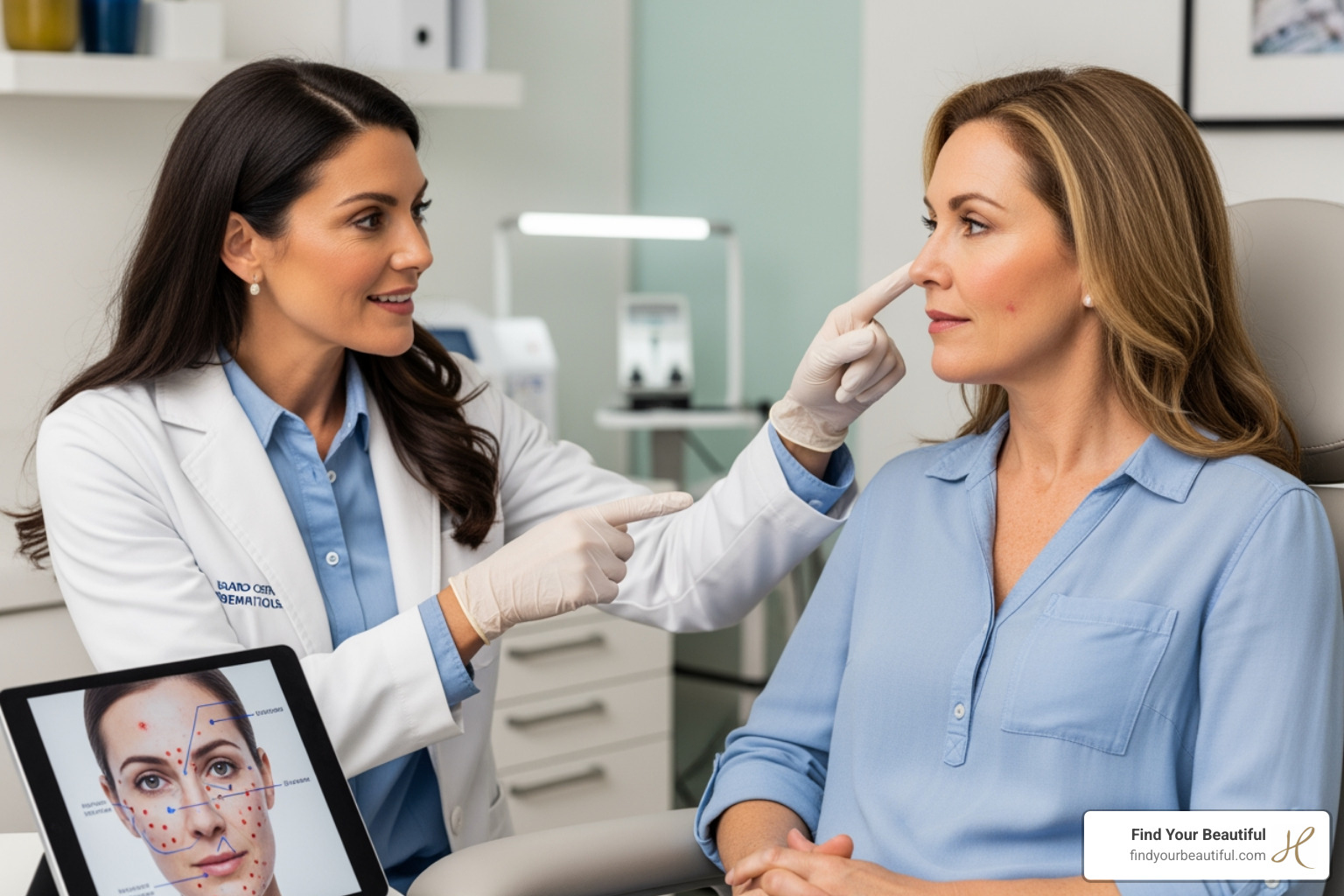

Allergy symptoms affect many patients every year, and these reactions can disrupt daily routines. When an individual experiences an adverse immune response, they benefit from seeking medical intervention to manage the condition. A board-certified allergist evaluates these specific immune system reactions. Finding the right specialist provides accurate diagnoses for patients. By understanding the available medical services, patients can make informed decisions about their healthcare. Here is more information on allergies and the treatments allergists provide:
What Are Allergies?
Allergies are medical conditions where the immune system reacts abnormally to a typically harmless substance. The body mistakenly identifies this substance as a threat, and it produces antibodies called Immunoglobulin E (IgE) to fight the perceived invader. These antibodies trigger the release of chemicals like histamine, which cause the physical symptoms associated with an allergic reaction.
This biological response can vary significantly from one person to another, necessitating a comprehensive medical evaluation. Some individuals experience minor respiratory irritation, while others face a life-threatening reaction known as anaphylaxis. Identifying the precise mechanisms behind these reactions is a primary focus of allergy and immunology specialists.
What Are the Different Types?
Allergies are categorized based on the triggering substance and the body system affected.
- Respiratory allergies: These are commonly triggered by airborne particles such as pollen, dust mites, or pet dander.
- Food allergies: This type involves an adverse immune response to proteins in foods like peanuts, dairy, or shellfish.
- Skin allergies: These can manifest as eczema or contact dermatitis after physical contact with a reactive substance.
- Insect stings and drug allergies: These types require careful medical evaluation due to their potential for severe systemic reactions.
Recognizing the specific type of allergy helps establish an effective medical approach.
What Is an Allergist?
An allergist is a specialized physician who completes training in immunology. Since they focus specifically on immune system disorders, they possess deep knowledge of the mechanisms underlying allergic disease. Board-certified practitioners pass rigorous examinations to demonstrate their clinical expertise. Patients receive evidence-based care when they consult these qualified specialists.
What Services Do They Provide?
Allergy specialists offer comprehensive diagnostic evaluations to pinpoint exact immune triggers. During an initial consultation, the physician reviews detailed medical histories and performs targeted physical examinations. When the doctor suspects specific allergies, they will often order targeted clinical testing, which helps formulate an effective treatment plan.
These clinical services typically include several diagnostic procedures to evaluate the immune system. The doctor administers skin prick tests, or they order blood work to measure specific antibodies. Accurate diagnosis dictates the treatment plan, so these testing services remain central to the practice. Oral food challenges and pulmonary function tests offer additional diagnostic data for the physician.
How Do They Treat Allergies?
The allergist develops a structured management protocol once the diagnostic process concludes. Some patients respond well to pharmacological interventions, and doctors may prescribe antihistamines, nasal corticosteroids, or decongestants. If these basic medications fail to provide relief, the physician may recommend allergen immunotherapy. Allergy shots expose the patient to gradually increasing doses of allergens, which desensitizes the immune system over time.
Consult an Allergist Today
A board-certified allergist offers specialized medical expertise for managing complex immune conditions. Patients experiencing chronic symptoms should schedule a clinical evaluation, and they can discuss appropriate diagnostic testing. Untreated allergic reactions can worsen, so seeking timely medical care is advisable. Contact a local allergy clinic today to begin your treatment plan.