
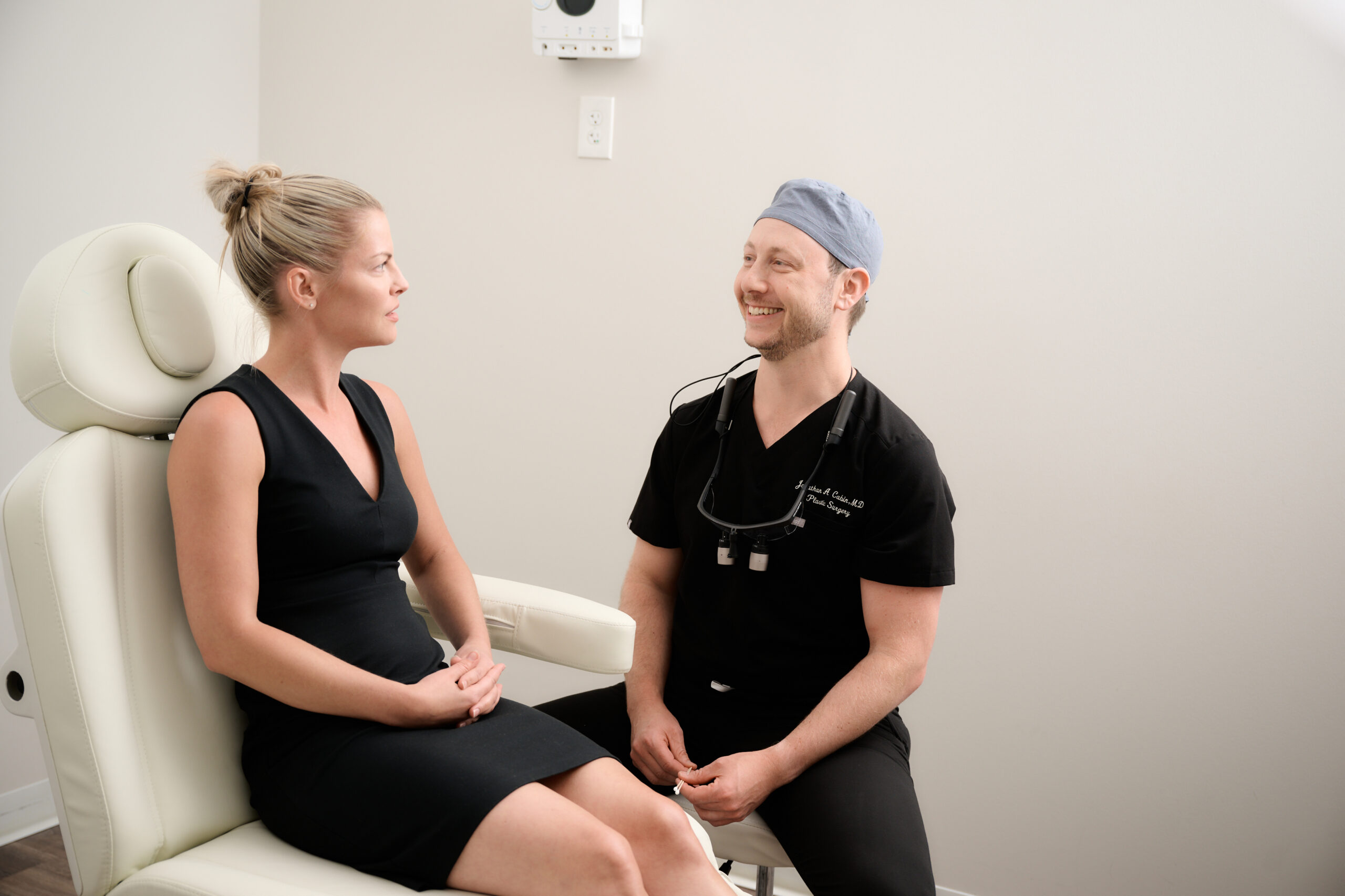

Post-operative care is a key part of facial plastic surgery recovery. After leaving the clinic, patients begin the healing process with specific instructions from the care team. These directions may include how to care for incisions, manage swelling, and adjust daily activities. Following these steps helps support healing and reduces the chance of complications during recovery. Here is more information on the role of post-operative care in facial plastic surgery:
Managing Swelling Safely
Managing swelling is a normal part of recovery after facial plastic surgery. Patients are often instructed to use cold compresses to help reduce inflammation around treated areas. Keeping the head elevated while resting can also support fluid drainage and limit additional swelling. These measures help the body recover gradually following surgery.
Swelling typically decreases as the tissues heal over time. Follow-up visits allow the care team to monitor healing progress and address any concerns. Patients receive ongoing guidance to support a steady recovery process, and care instructions are designed to support comfort and protect surgical results.
Preventing Infection Risks
Preventing infection is a helpful part of recovery after facial procedures. Open incisions can be vulnerable to bacteria during the early healing stage. Physicians may prescribe antibiotics and provide specific wound care instructions to reduce infection risk. Maintaining a clean environment around the surgical area supports healthy tissue repair and recovery.
- Proper hand hygiene before touching treated areas
- Regular replacement of dressings as directed
- Avoiding exposure to unclean surfaces or environments
- Following medication schedules exactly as prescribed
- Attending follow-up visits for wound assessment
Protecting Healing Tissue
Protecting healing tissue is a key part of recovery after facial procedures. Fresh scars remain sensitive during early healing and are often affected by environmental exposure. Direct sunlight may interfere with normal scar formation, so limiting exposure is often recommended. Wearing protective clothing and using sunscreen helps shield treated areas while the skin repairs itself.
Physical activity can also influence the healing process by increasing blood flow and blood pressure. Exercising too soon may place strain on delicate tissues and disrupt recovery. This added stress can affect surgical outcomes, including procedures such as buccal fat removal. Following activity guidelines supports steady healing and helps maintain procedural results.
Maintaining Surgical Results
Maintaining surgical results depends on long-term habits after facial procedures. Genetics influence aging patterns, but daily lifestyle choices also affect skin quality and healing outcomes. Patients often support results by staying hydrated, which helps maintain skin elasticity. Balanced nutrition also supports normal tissue repair and overall skin health.
Routine follow-up visits allow providers to monitor surgical outcomes over time. These appointments help assess how tissues are responding as healing progresses. Consistent care helps track changes and identify any concerns early. Long-term maintenance supports the stability of results achieved through surgery.
Schedule Your Facial Plastic Surgery Consultation
Proper aftercare influences final outcomes after facial procedures, and the care team provides guidance throughout recovery. Patients receive procedure-specific instructions designed to support healing after treatments such as brow lifts or eyelid surgery. Follow-up visits allow the staff to monitor progress and address any concerns during the healing process. Schedule a consultation today to learn more about personalized treatment options.