
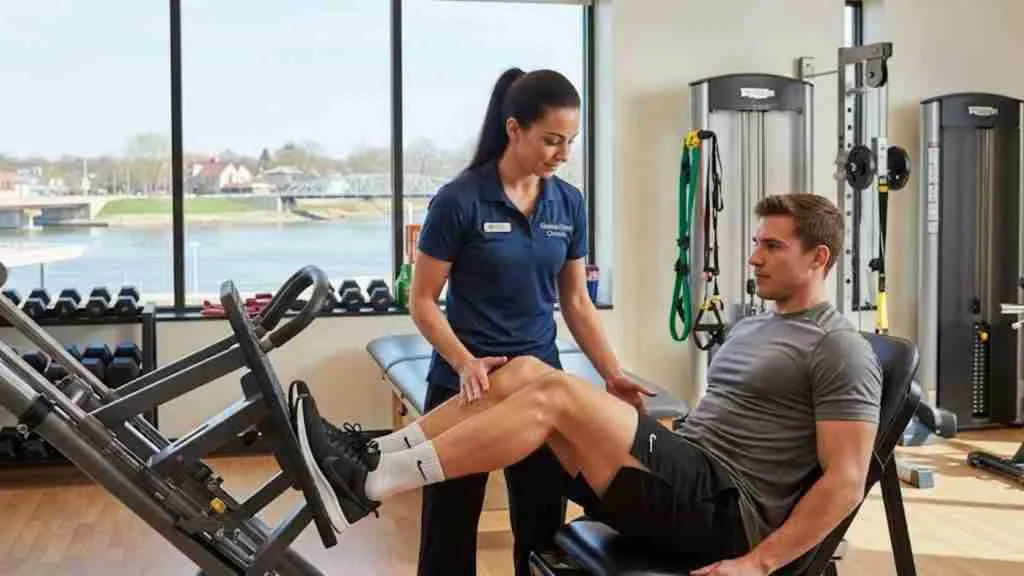

Orthopedics plays a fundamental role in sports medicine by helping athletes and active individuals prevent, diagnose, and treat injuries affecting the bones, joints, muscles, ligaments, and tendons. Proper orthopedic care supports safe recovery, improves movement, and reduces the risk of recurring injuries. Here is an overview of the need for orthopedics in sports medicine:
Evaluating and Diagnosing Injuries
Proper evaluation forms the basis of effective medical care in orthopedics, and it dictates the direction of the subsequent recovery plan. Medical providers perform comprehensive examinations to identify the exact nature of an athletic injury. The diagnostic process generally involves the following key steps to gather accurate information:
- Physical examinations: A provider visually and physically inspects the affected area to assess swelling, evaluate the range of motion, and identify pain points.
- Imaging tests: Practitioners often order X-rays, MRI scans, or ultrasound imaging to view internal structures and detect bone fractures or tissue tears.
- Biomechanical assessments: A specialist observes how your body moves during specific actions to identify movement dysfunctions that contribute to the injury.
These diagnostic steps provide the concrete data needed to create an accurate medical assessment. Once the practitioner gathers all the results, they formulate a specific diagnosis.
Supporting Treatment and Recovery
Following a diagnosis, practitioners develop a treatment plan to address the specific musculoskeletal injury. This plan often combines rest, physical therapy, and specific medical interventions to facilitate physical healing. Providers monitor the athlete’s progress over time, and they adjust the treatment variables to match the current healing stage.
Treatment plans in orthopedics generally begin with conservative methods before exploring surgical options. A provider may prescribe bracing, targeted stretching, and load-management techniques to treat a mild ligament sprain. When conservative methods do not produce the necessary results, practitioners recommend surgical interventions to repair severe structural damage. Surgical and non-surgical approaches both require rigorous post-treatment physical therapy to rebuild strength and tissue integrity.
Restoring Performance and Mobility
Restoring full mobility is a fundamental objective in sports medicine and orthopedics; it requires targeted and consistent effort. Providers prescribe specific movement exercises that gently stretch tissues and improve joint mechanics. As mobility improves, the focus shifts toward restoring the muscular power needed for athletic performance.
Athletes need optimal movement patterns to perform at high levels without putting undue stress on their bodies. Specialists analyze gait, running mechanics, or throwing motion to correct subtle flaws. Athletes learn to distribute physical forces evenly across the joints, protecting vulnerable areas from excessive wear. Providers also implement sport-specific drills that replicate the exact movements required for a specific athletic event.
Preventing Injuries
Preventing future injuries is just as key as treating existing ones, and orthopedics dedicates significant resources to this objective. Specialists review your medical history and athletic goals to identify potential physical vulnerabilities. A standard injury prevention plan may include the following foundational components:
- Warm-up protocols: Providers design specific dynamic stretching routines to increase blood flow and prepare the muscles for physical exertion.
- Conditioning regimens: Patients receive a targeted exercise schedule to strengthen the stabilizing muscles around vulnerable joints.
- Equipment modifications: Specialists evaluate athletic gear, such as footwear or braces, to make sure it provides adequate support.
These prevention strategies significantly lower the probability of sustaining a sports-related injury. Practitioners periodically review the prevention plan, and they update the protocols based on the athlete’s physical development.
Schedule Your Orthopedics Appointment Today
Orthopedics provides a structured and clinical approach to managing and preventing athletic injuries. Practitioners use precise diagnostic tools to evaluate conditions, and they implement treatment plans to restore physical function. Specialists also focus on correcting movement mechanics and designing prevention strategies to protect athletes from future harm. Contact a qualified orthopedics specialist near you to schedule your appointment today.