
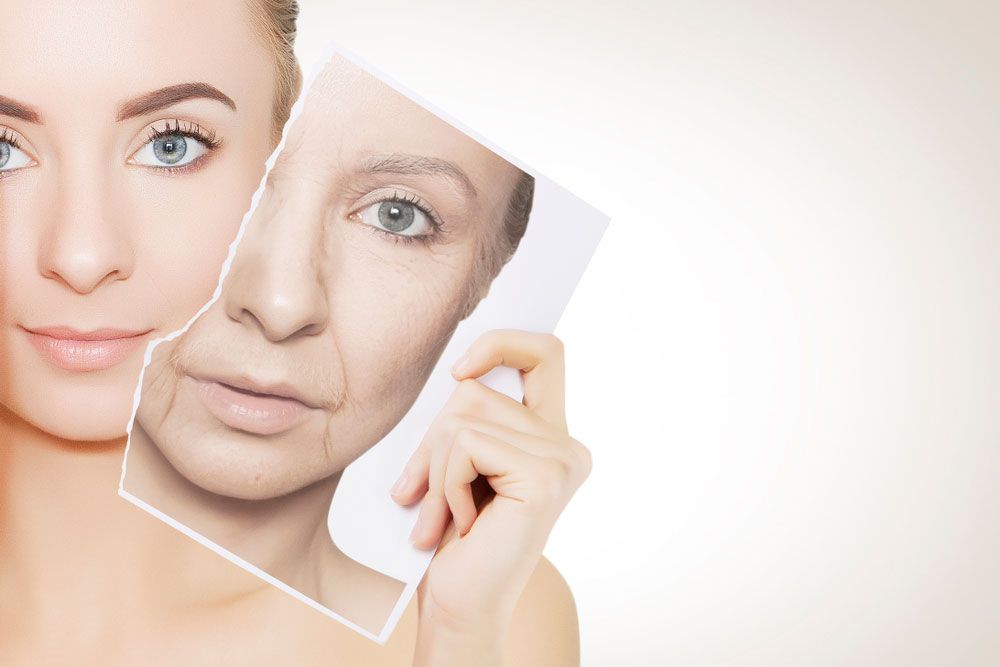

Anti-aging treatments include topical products, in-office procedures, and daily skin care habits. People use them to address fine lines, uneven tone, and texture changes, but results depend on more than products alone. Since skin reflects daily habits, lifestyle choices shape how these treatments perform. Here is more information on the impact of lifestyle changes on anti-aging treatments:
Physical Activity
Physical activity supports circulation, and better blood flow helps deliver oxygen and nutrients to skin cells. Regular movement also helps manage stress. When stress stays high, inflammation may rise and interfere with skin recovery. A steady exercise routine gives anti-aging treatments a stronger daily context.
Some forms of exercise fit skin goals better than others, and balance matters. Walking is simple. Strength training supports muscle tone, while moderate cardio may help circulation without adding excessive strain. If workouts leave you overheated for long periods, redness may linger and affect sensitive skin.
A practical routine works best when it stays realistic, and short sessions still add value. To do this, you do not need complex plans. Try this simple approach:
- Walk 20 to 30 minutes
- Add strength training twice weekly
- Drink water after exercise
Adjusted Diet
Food choices influence skin repair, and they also affect inflammation, hydration, and collagen support. A treatment plan works on the surface. Dietary habits work underneath, where cells use protein, fats, vitamins, and minerals to maintain structure. When meals rely on highly processed foods, skin may look dull or feel less resilient.
Small diet changes are easier to maintain, and they typically fit into current routines. Focus on a few basics:
- Eat protein with each meal
- Add fruits and vegetables daily
- Limit excess sugar and alcohol
When nutrient intake stays steady, the skin has more support during treatment cycles. Hydration matters too. As dry skin shows lines more clearly, drinking enough water helps maintain a smoother appearance.
Adequate Sunscreen
Sunscreen protects treatment progress, and daily use aims to reduce added UV stress. Sun exposure is a major driver of visible aging. When you use retinoids, acids, or professional treatments, your skin may become more reactive to light. A broad-spectrum SPF 30 or higher works well when applied each morning and reapplied outdoors.
While sunscreen is beneficial, it’s equally wise to apply it generously to ensure proper coverage. Though it might seem like an added step, wearing sunscreen daily can significantly reduce the risk of long-term skin damage. Pair sunscreen with protective clothing and seek shade when the sun is strongest, as these combined measures enhance your overall skin protection.
Proper Sleep
Sleep gives the body time to recover, and the skin follows that same pattern. Poor sleep is typical. When rest is short or broken, stress hormones may rise, and the skin may look tired, dry, or uneven. A regular sleep schedule supports repair and helps treatments fit into a more stable routine.
Try Anti-aging Treatments Today
Lifestyle changes do not replace anti-aging treatments, and treatments do not replace healthy habits. When you pair smart skin care with exercise, diet, sunscreen, and sleep, you create better conditions for steady progress. If you want guidance on the next step, book a consultation today and build a plan that fits your skin and routine.