
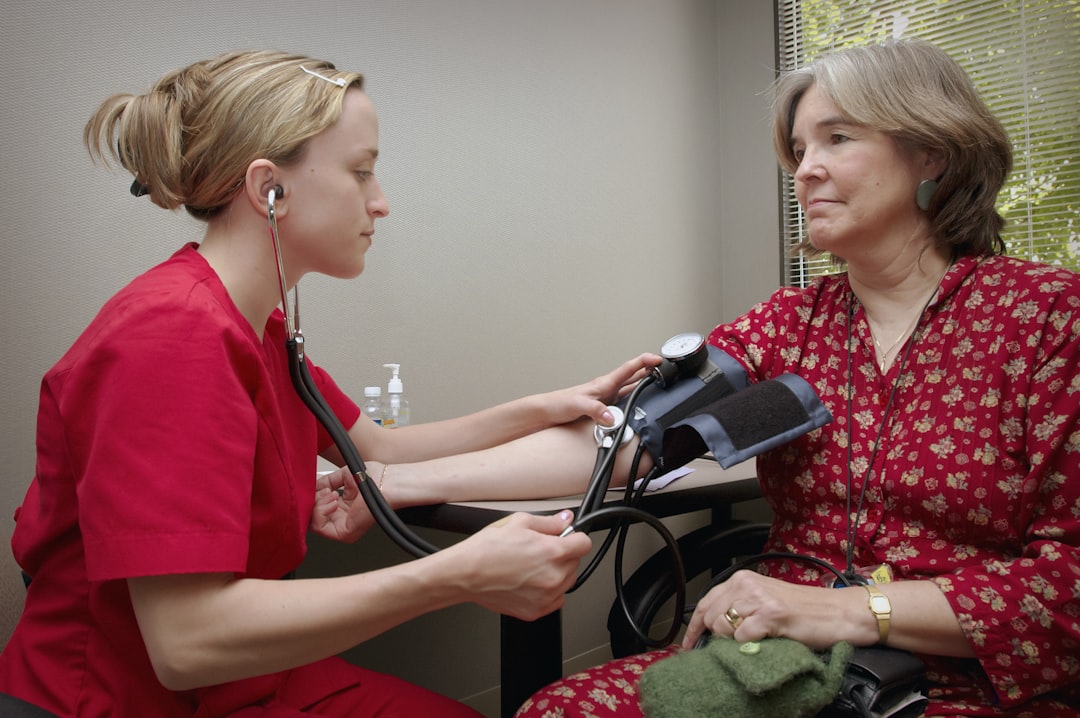

Gynecological checkups maintain your overall physical health. You need regular exams, and these visits prevent future complications. Providers assess your risk factors. Because early detection matters, a gynecologist will recommend routine visits.
Early Health Detection
Regular visits help identify subtle health changes. These appointments support early evaluation, and they help document your health over time. Even minor symptoms reveal useful clinical information during an exam. Discuss pelvic pain, cycle changes, or discharge, and your gynecologist guides next steps. Because patterns matter in gynecology, routine checkups build a clearer record. Providers can compare findings across visits. Tests can include:
- Pap Smear: screens for cervical cell changes.
- STD Testing: checks for infections through laboratory testing.
- Ultrasound: provides imaging for pelvic symptoms or abnormal findings.
- Colposcopy: gives a closer view of the cervix after abnormal screening results.
- Urinary Tract Infection evaluation: identifies infection and guides treatment.
Yearly preventive care supports early evaluation and timely treatment, so providers can plan care based on findings. You receive results, and you prepare for the next steps with clear guidance. Before issues progress, specialists review findings and recommend monitoring, treatment, or another visit. Regular screening intervals help organize care. Your provider sometimes repeats tests over time and compares results across visits. If a finding needs more review, additional evaluation can help clarify the cause. Follow-up visits explain what the results mean. You ask questions, and your provider outlines what needs monitoring and what needs treatment. When care is needed, early planning clarifies each step.
Ongoing Reproductive Care
Since women experience various physical transitions over time, you may require plan adjustments. Providers discuss birth control, and they evaluate your fertility carefully. When menopause begins, symptoms appear, and doctors might prescribe hormone therapy. Discuss obstetrics, or plan a pregnancy. Your provider monitors these life stages. Hormonal shifts affect your daily comfort. Doctors address your physical concerns, and they offer practical guidance. If you experience discomfort, specialists listen and adjust your care plan.
Regular visits help match care to your current goals. You may want contraception now, but future fertility planning shapes later decisions. Providers review cycle patterns, symptoms, and medical history to guide care. If your needs change, your care plan can change too. Checkups support planning before and during pregnancy. Your provider can review medications, and they can identify health issues that need attention. Visits help track symptom patterns, and they influence treatment response.
Advanced Disorder Treatment
Endometriosis causes severe pain, and abnormal bleeding disrupts daily routines. Some conditions require advanced medical intervention. If providers discover an ovarian cyst, they monitor it and plan care. A hysterectomy treats severe issues. Doctors help diagnose a prolapse, and they might recommend surgery. Regular checkups help organize the evaluation process for these disorders. Your gynecologist reviews symptoms, exam findings, and imaging results to guide next steps. An ultrasound may help assess pelvic pain, bleeding, or an ovarian cyst. If symptoms persist, your provider may discuss repeat imaging, referral, or a procedural evaluation. Checkups help determine when monitoring is enough and when treatment should advance.
Book a Gynecologist Today
Prioritize your wellness, and you should book appointments consistently. Regular checkups protect your reproductive system safely. Because your health changes yearly, routine visits matter. You need comprehensive care. Preventive medicine offers diagnostic tools. Call clinics, and schedule your baseline exam. Call your provider today.