
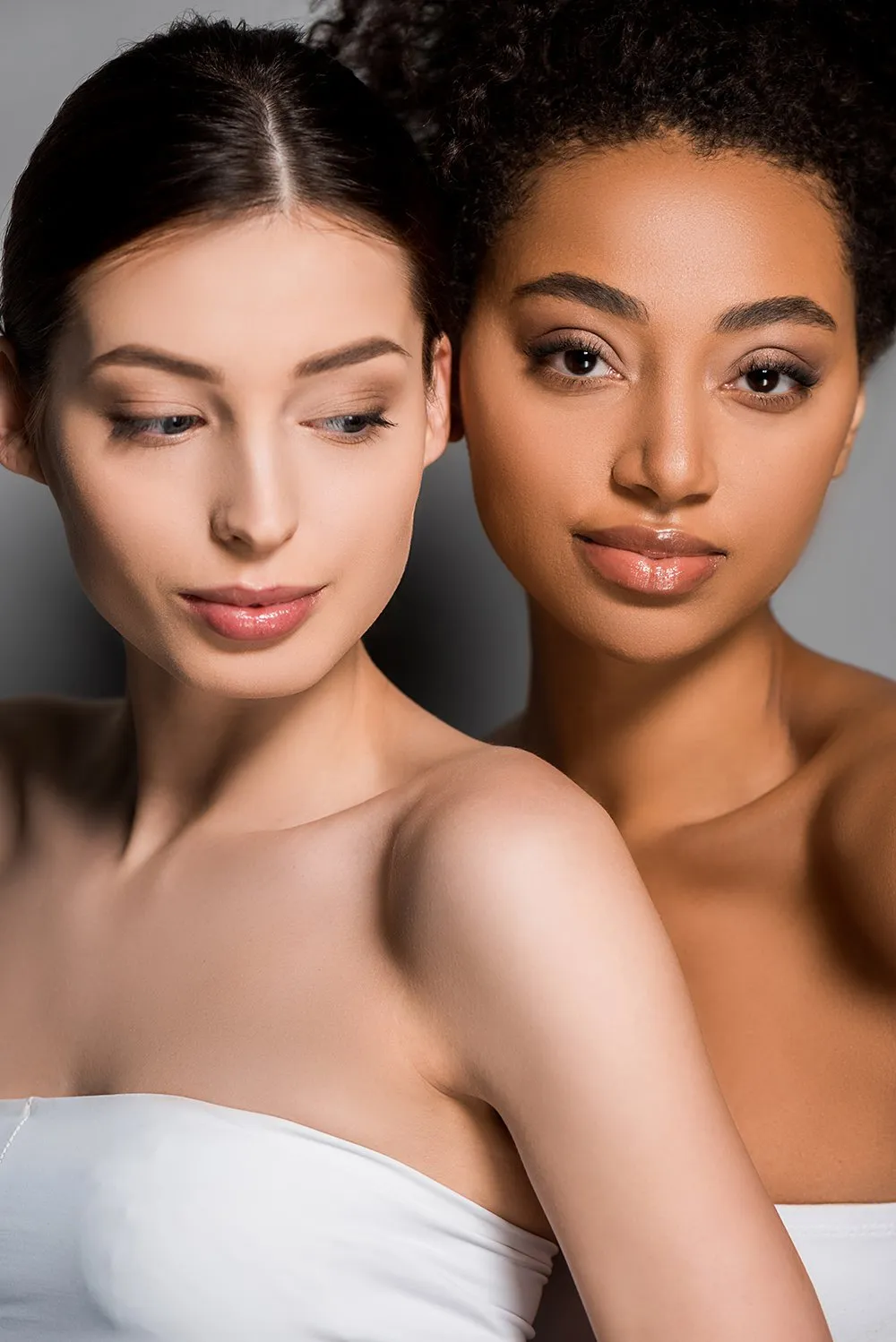

Wellness encompasses more than physical fitness or lifestyle habits. It can extend to how they present themselves, and it involves how they feel about their body for many individuals. Aesthetics have grown into a recognized component of personal care, offering targeted solutions that complement broader health and lifestyle practices.
What Are Aesthetics?
Aesthetics are professional procedures and services designed to improve the appearance of the skin, face, and body. They may be offered in clinical and medical spa settings by trained physicians. These treatments span a wide spectrum, from non-invasive skincare therapies to minimally invasive procedures performed under medical supervision. Unlike surgical interventions, many aesthetic treatments require little to no recovery time; this makes them accessible options for individuals seeking to address specific concerns without significant disruption to their lives.
Who Do They Benefit?
Aesthetic treatments can target a variety of skin issues, and they address common body concerns. They may address nearly every area of the body, from the face to pockets of fat around the torso or limbs. Common areas of focus include:
- Aging Appearance: Fine lines, wrinkles, and loss of skin elasticity are common concerns.
- Uneven Skin: Discoloration, hyperpigmentation, sun damage, and rough texture can be improved through targeted therapies.
- Noticeable Acne: Certain treatments reduce active breakouts and minimize the appearance of scars left behind by past blemishes.
The specific outcomes of any treatment depend on the individual’s skin type, the nature of their concern, and the methods used.
What Falls Under It?
The category of aesthetic treatments is broad. Neurotoxin injections, such as Botox, temporarily relax facial muscles to reduce the appearance of dynamic wrinkles. Dermal fillers restore volume and structure to areas of the face that have lost fullness over time. Laser and light-based treatments use concentrated light energy to address pigmentation, vascular irregularities, hair removal, and skin resurfacing. Chemical peels are applied to the skin to accelerate exfoliation and promote the growth of new, smoother skin; they are classified by depth.
Microneedling creates controlled micro-injuries in the skin, prompting a natural healing response that supports collagen and elastin production. This approach is often used for texture refinement, and it can help with scar reduction. Clinical facials performed in professional settings go beyond standard skincare routines, incorporating medical-grade products and techniques tailored to specific skin conditions.
Dermaplaning is a physical exfoliation procedure, and it may be used to address dull or discolored skin. It involves gently scraping the surface of the skin with a sterile, surgical-grade blade. This removes the top layer of dead skin cells, resulting in a smoother, brighter complexion.
Seek Professional Aesthetic Services
Integrating aesthetic treatments into a wellness routine is a decision that can benefit from professional guidance. A qualified practitioner will assess individual skin concerns, allowing them to develop a plan aligned with personal goals and health history. Not all treatments are suitable for all skin types or tones, and the services offered by the provider directly affect both what may be addressed and the results of treatment. A well-structured aesthetic plan, implemented under professional supervision, can support long-term skin health alongside other wellness practices.