
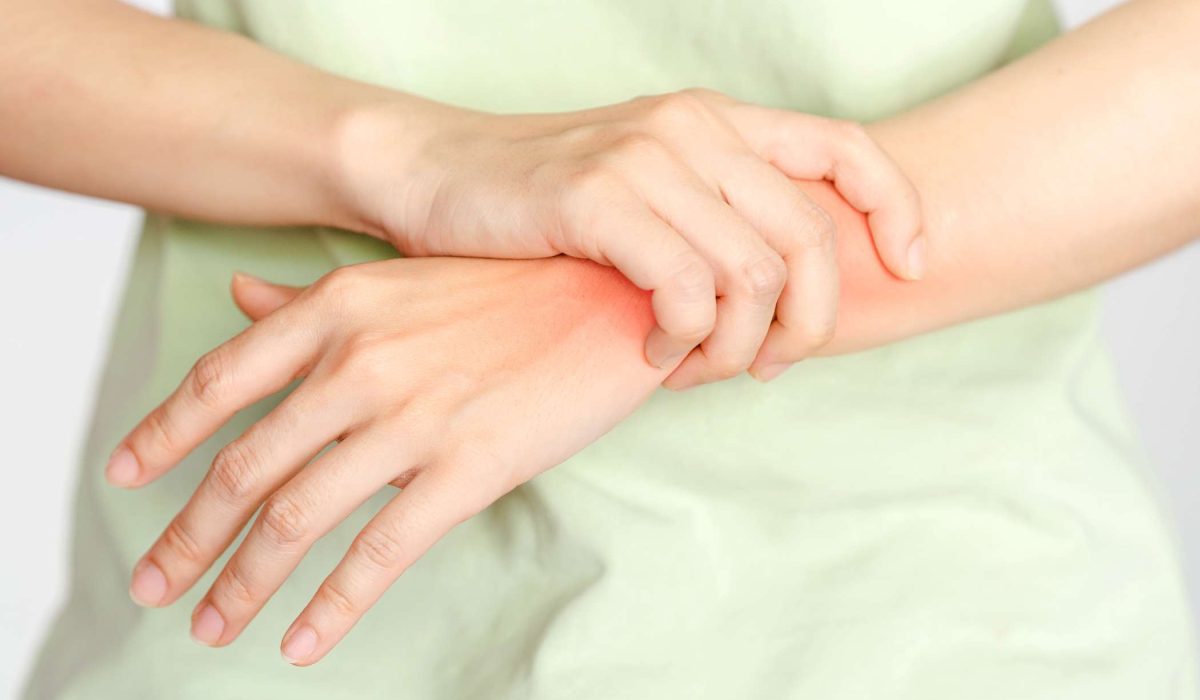

Arthritis causes a range of structural and functional changes within the joints, and this can lead to pain, stiffness, swelling, and reduced mobility. These shifts sometimes affect movement patterns and make everyday activities more challenging. Symptoms of this condition may be managed effectively through self-care strategies, such as heat therapy, and a consistent, long-term approach. Here are several lifestyle changes to incorporate when managing arthritis symptoms:
Applying Ice and Heat Therapy
Temperature application is a practical method for addressing joint stiffness and localized swelling. Cold therapy constricts blood vessels; this helps reduce physical swelling and dulls local discomfort, particularly after periods of physical activity. Heat therapy promotes blood circulation and helps relax the muscles surrounding the affected joint. You can use these methods independently or alternate them depending on your current physical symptoms. For cold therapy, apply ice packs for approximately 20 minutes at a time. Warm compresses or heating pads may be applied before physical activity; they assist with loosening stiff connective tissues.
Supporting Movement With Physical Therapy
Maintaining a healthy range of motion supports your overall physical mobility and structural independence. Joint flexibility exercises help keep the mechanical components of your joints moving smoothly. General movement is beneficial, but an arthritis specialist or physical therapist can provide specific, structured guidance tailored to your anatomy.
A specialist assesses your precise mechanical limitations and designs a targeted movement plan. They can teach you exercises that build the muscles supporting your affected joints. This increased muscular strength helps safely absorb physical force, reducing the direct mechanical burden placed on your skeletal system during daily tasks. Regularly practicing these prescribed movements can maintain structural stability, and this helps prevent progressive loss of joint function.
Utilizing Prescription Medications
Healthcare professionals prescribe specific medications designed to target physical inflammation and manage ongoing physical discomfort. These medications operate by altering specific physiological pathways to reduce swelling at the cellular level. Providers often integrate them with daily movement and physical therapy; this can help maximize overall physical function. Because biological responses vary significantly between individuals, doctors closely monitor your physical markers and health signs. This ongoing observation allows them to determine the most appropriate medication type and dosage for your specific structural needs.
Exploring Joint Injections
When specific joints require localized attention, healthcare providers may discuss the use of joint injections. These clinical procedures deliver medication directly into the affected joint space; this bypasses the broader digestive system. Medical professionals use these injections to provide targeted physical support, generally aiming to reduce localized inflammation rapidly.
This approach focuses treatment precisely where joint-related changes are occurring. Injections are typically administered in a clinical setting, and imaging guidance may be used to help promote accurate placement. Although they are not a permanent solution, joint injections are an effective treatment option for many individuals, particularly when oral medications have not provided adequate symptom relief.
Schedule an Arthritis Evaluation
Managing arthritis often requires a combination of lifestyle changes, therapy, and medical treatment. Temperature therapy helps reduce pain and stiffness, while physical therapy can improve strength and mobility. Prescription medications and joint injections also provide additional symptom relief. Treatment plans should be tailored to each individual’s condition and daily needs, and a healthcare provider can help determine the most appropriate options. Consult a qualified pain management specialist to discuss your long-term joint function and comfort.