
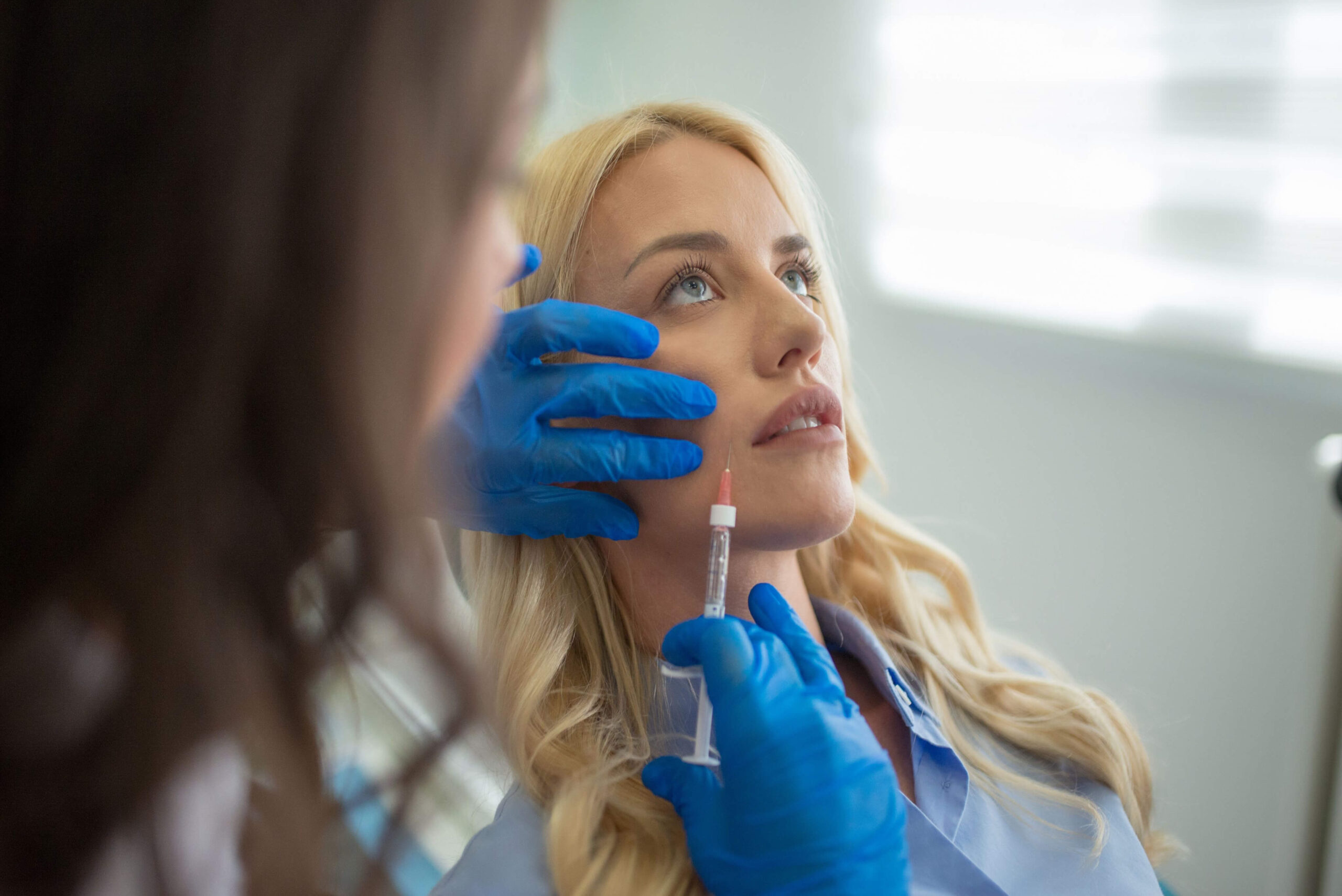

Botox serves multiple functions beyond traditional dermatology. Within the dental field, practitioners incorporate this injectable treatment to manage various aesthetic and functional concerns. Patients may discover that their dentist offers these injections, and that they assist with jaw tension, specific structural smile abnormalities, and related muscular issues.
What Is Botox?
Botox originates from a toxin produced by the bacterium Clostridium botulinum. When a provider injects this specialized solution into targeted areas, it effectively intercepts signals traveling between nerves and muscles. This interception temporarily paralyzes or significantly relaxes the specified muscle tissue, but does not cause permanent alterations or effects.
By reducing muscle activity, the injection stops involuntary contractions, spasms, and excessive clenching that can lead to secondary complications. Medical and dental professionals have utilized these controlled muscle-relaxing properties to treat numerous complex conditions. The effects remain entirely temporary and require subsequent applications at regular intervals to maintain continuous muscle relaxation.
What Can It Address?
Dental providers apply these specific injections to manage a wide variety of issues affecting the mouth, lips, and jawline. One application involves managing bruxism, a persistent condition characterized by chronic teeth grinding and severe jaw clenching. Relaxing the masseter muscles helps prevent physical wear on tooth enamel and reduces the corresponding facial discomfort that regularly accompanies the condition.
For individuals presenting with a “gummy smile,” dentists target the hyperactive muscles controlling the lips. Patients can develop triangular spaces between their teeth due to receding gum lines. These gaps may trap food particles and create long-term hygiene challenges. Providers use precise injections to help minimize the visible appearance of these aesthetic voids.
Dental implant procedures may also benefit from targeted muscle relaxation techniques. An artificial implant requires a stable environment to integrate successfully with the surrounding jawbone. Overactive jaw muscles can exert excessive physical force on the new artificial root, disrupting the integration process. Relaxing these specific facial muscles creates a favorable environment for the implant to heal and stabilize over time.
What Should You Expect?
The physical procedure tends to take place in an outpatient setting. The dental practitioner utilizes a fine needle and administers exact amounts of the sterile solution directly into the identified facial muscles. General physical discomfort remains minimal, though some individuals experience a slight sting upon injection. A topical numbing agent may be applied to the external skin beforehand to minimize patient discomfort.
Following the completion of the appointment, patients receive specific aftercare guidelines. Providers strictly advise against touching, pressing, or rubbing the injected facial areas. Patients must remain in a fully upright position for a few hours and avoid any vigorous physical activity for the rest of the day.
Initial results typically begin to manifest within a few days, and the complete visual outcome is visible after around two weeks. The localized muscle-relaxing effects last roughly three to four months. As the injected substance gradually wears off, regular uninhibited muscle function naturally returns, requiring patients to schedule periodic maintenance visits to sustain the desired outcome.
Confer With Your Dentist
Dentists possess training in facial anatomy, granting them insight into the functioning muscles and structural bones surrounding the oral cavity. This focused knowledge makes them qualified to administer facial injections accurately and safely. Discussing your specific aesthetic goals and physical symptoms with a dental professional will determine if this treatment aligns with your individual needs. An initial clinical consultation allows the provider to evaluate your jaw structure and propose a customized approach to resolving your cosmetic concerns.