
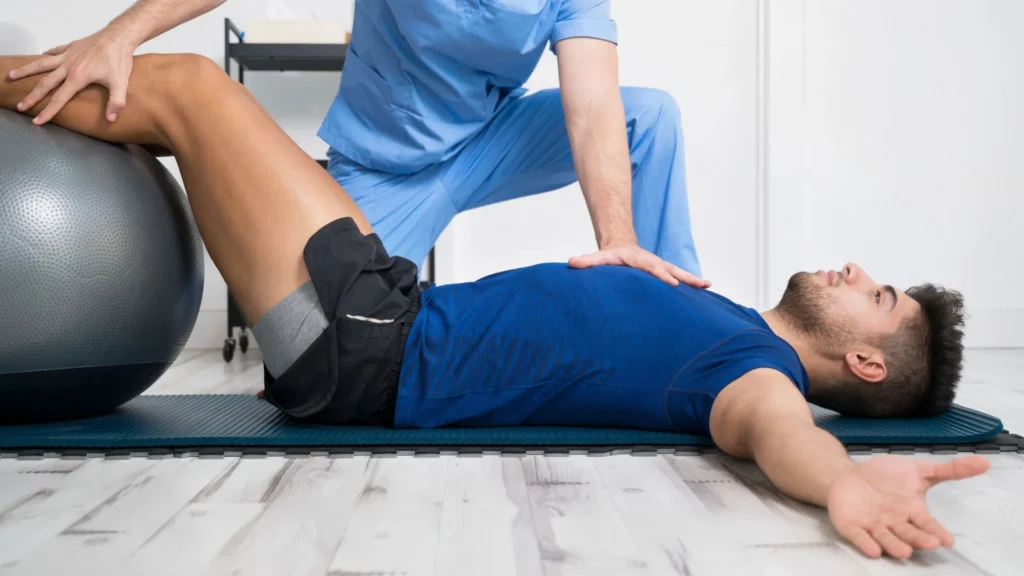

A structured approach to physical activity offers numerous health advantages. Incorporating physical therapy into this process requires careful planning, which a physical therapist helps with. Patients should understand their physical limitations, and they benefit from seeking professional guidance to optimize recovery. Here is more information on incorporating physical therapy into a fitness routine:
What Is a Fitness Routine?
When individuals commit to a schedule of physical activity, they establish a baseline fitness routine. This regimen may include cardiovascular training and strength-building exercises. A routine builds physical endurance over time, and it helps maintain overall metabolic health.
Physical therapy is a valuable addition to this established schedule. Although general exercise improves overall fitness, clinical therapy targets specific functional limitations. Patients adapt their standard workouts, and they integrate prescribed therapeutic movements to support ongoing healing.
What Does It Involve?
Every patient presents a unique clinical profile, so an integrated program requires customized exercises. These routines may begin with low-impact stretches, and they gradually progress to resistance training. The progression depends on the patient’s individual recovery metrics.
Monitoring physical responses dictates the pace of the physical activity. Therapists evaluate joint mobility during sessions, and patients can track their pain levels at home. If a specific movement causes excessive strain, the individual modifies the activity.
A complete program features multiple phases of physical exertion. After individuals complete a dynamic warm-up phase, they transition into the primary therapeutic exercises. The session concludes with a cooling period; this final phase promotes muscle recovery.
What Is Physical Therapy?
Physical therapy is a clinical discipline focused on restoring human movement. When patients suffer musculoskeletal injuries, they can utilize these specialized techniques for safe rehabilitation. Licensed professionals design these interventions, and they monitor the patient’s physical response throughout the process.
The practice utilizes evidence-based modalities to treat physiological dysfunctions. While standard workouts build general strength, therapeutic exercises specifically target damaged tissues. This targeted approach corrects biomechanical imbalances, and it helps restore the patient’s structural stability.
How Does It Work?
After a therapist conducts an initial evaluation, they develop a precise treatment strategy. This plan dictates the frequency and intensity of the required exercises. The clinical sessions address acute deficits, and the home exercises reinforce these functional improvements, facilitating continuous progress.
As the patient gains strength, the therapist may introduce more demanding physical tasks. The integration into a standard workout happens incrementally. Patients may replace high-risk gym exercises with therapeutic alternatives, and they slowly rebuild their overall physical capacity.
What Are the Benefits?
Combining rehabilitation with regular exercise may produce measurable physical improvements, including:
- Decreased inflammation and improved flexibility: The targeted movements decrease tissue inflammation while simultaneously improving joint flexibility.
- Expedited return to physical activities: Clinical supervision helps prevent overexertion, and customized exercises maximize the healing process.
- Increased patient capability: The controlled therapeutic environment allows individuals to use their healing bodies more effectively.
These benefits contribute to a more effective and comprehensive recovery process.
Consult a Physical Therapist
Medical supervision remains a fundamental requirement for safe physical rehabilitation. Before you integrate new movements into your standard exercise plan, seek a professional clinical evaluation. A customized plan helps accelerate your specific healing timeline. Schedule your consultation and begin rebuilding your physical strength safely.