
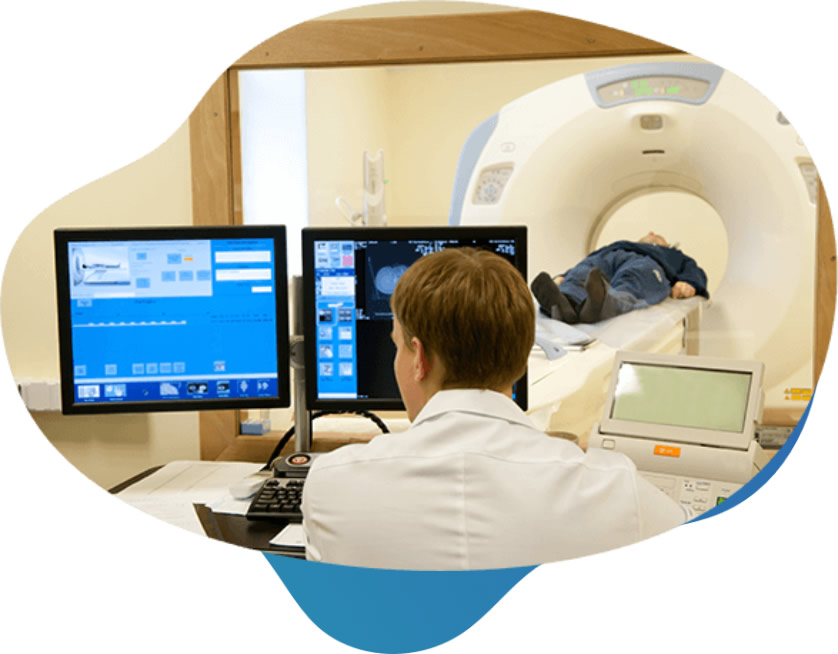

Cardiovascular health requires precise evaluation methods to properly diagnose and treat underlying conditions. Nuclear stress testing serves as a primary method for observing cardiovascular performance. By utilizing specialized imaging combined with a safe radioactive tracer, physicians can assess how well blood travels through the heart muscle. This procedure yields detailed information about heart function and gives doctors the necessary data to formulate appropriate treatment plans.
What Is Nuclear Stress Testing?
Nuclear stress testing is a comprehensive medical evaluation, typically used to assess cardiovascular function. The procedure involves two distinct phases; this includes an initial assessment while the patient is resting, followed by a secondary evaluation after physical exertion. This dual approach allows healthcare professionals to compare blood flow dynamics under different physiological demands.
To facilitate the imaging process, medical staff administer a small amount of radioactive liquid. This substance acts as a marker. It travels through the bloodstream, and specialized imaging technology tracks its movement. These visual records highlight areas receiving adequate blood supply and pinpoint regions that might be experiencing restricted flow. The radioactive tracer is completely safe and naturally leaves the body shortly after the evaluation concludes.
What Does It Involve?
The procedure follows a systematic process designed to monitor the patient safely and gather imaging data. A healthcare professional inserts an IV line into the patient’s arm to deliver the radioactive tracer. The patient then waits a designated number of minutes, allowing the substance to circulate fully through the cardiovascular system.
Technicians can attach electrodes to the patient’s chest, and a blood pressure cuff is placed on their arm. These instruments continuously track heart rhythm, electrical activity, and blood pressure fluctuations throughout the entire appointment. For the first set of pictures, the individual lies motionless on an examination table while a specialized camera records the resting blood flow. Remaining completely still allows the imaging device to capture the sharpest possible pictures, giving the cardiologist the best view of the internal structures.
Following the initial imaging, the physical activity phase begins. The patient exercises gradually and increases their effort. The medical team supervises this phase closely. If any chest pain arises during this physical exertion, the staff halts the activity. For individuals unable to perform physical exercise due to physical limitations, providers may administer medication through the IV that simulates the physiological effects of a workout on the heart. By comparing the resting images with the exertion images, physicians gain a comprehensive view of the heart’s performance capabilities.
Who Is It For?
Medical professionals may recommend this diagnostic evaluation for specific patient profiles. Individuals presenting with chest pain or persistent shortness of breath can undergo this procedure and identify the root cause of their symptoms. The detailed imaging helps physicians confirm the presence of conditions, like coronary artery disease.
Patients who already have a documented history of cardiovascular disease might also require this testing. The evaluation monitors the progression of the illness or measures how well the heart responds to current medical therapies. Doctors use the resulting data to adjust medications or plan future interventions. This proactive monitoring helps medical teams tailor their approach to the individual’s current health status.
Consult a Medical Expert
Because every patient presents a unique medical background, speaking directly with a physician remains the most effective way to address individual health concerns. A qualified healthcare provider can evaluate your specific symptoms and guide you toward the right testing options. Reach out to a comprehensive care clinic to discuss your cardiovascular health and schedule an appropriate medical consultation today.