
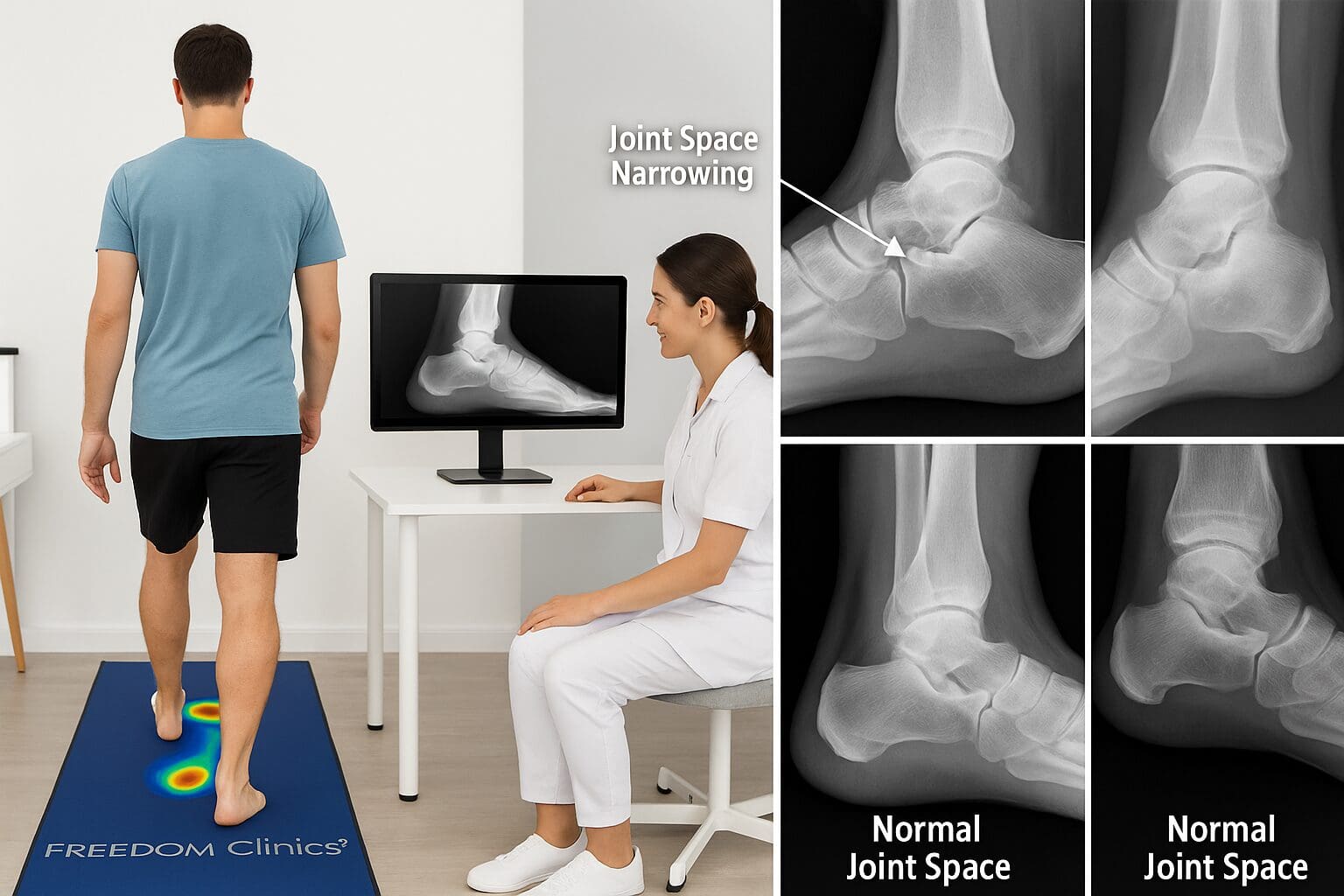

Ankle replacement is a surgical procedure that relieves pain and improves joint function in people with severe ankle damage or arthritis. The lifespan of an ankle replacement varies depending on factors such as activity level, overall health, and implant type. Understanding what affects its durability can help patients make informed decisions and support long-term results.
How Long Do Implants Last?
Most ankle replacement implants last for several years, though the exact number varies from person to person. Research shows that a large share of these implants still work well at the 10-year mark, and some continue to function beyond that point. Your surgeon can give you a clear estimate based on your health, your activity level, and the specific implant they use.
No two patients age their implants in the same way, and that fact shapes every recovery. A younger and active person may place more stress on the joint, and an older patient may put less demand on it. Tracking your progress over time helps you and your care team identify changes early.
What Affects Implant Longevity?
Several factors influence how long an ankle replacement keeps working, and understanding them helps you plan ahead. Here are some key factors that can affect implant longevity:
- Body weight: Extra weight increases pressure on the joint, and that added load can accelerate wear over time.
- Activity level: High-impact sports place stress on the implant, while low-impact movement tends to be gentler on it.
- Bone quality: Strong bone supports the implant firmly, so healthy bone often leads to a longer-lasting result.
- Surgical technique: Precise placement helps the joint move smoothly, and skilled surgery reduces the risk of early complications.
- Implant type: Different designs perform differently, so the model your surgeon chooses can shape the outcome.
Each of these factors contributes to the overall success and longevity of the implant, emphasizing the need for tailored treatment and comprehensive care.
How Can Ankles Stay Protected?
You play a key role in helping your ankle replacement last; daily habits make a difference. Maintaining a healthy weight eases the load on the joint, and a balanced diet supports your bones. Your physical therapist will guide you through exercises that build strength. Gentle and regular movement often serves the joint better than sudden, high-impact activity. Footwear also shapes how your ankle feels each day. Supportive shoes cushion each step and help distribute pressure more evenly across the joint. You should contemplate swapping high-impact sports for activities like swimming or cycling.
Which Signs Need Medical Review?
Certain signs call for a prompt check from your care team. Here are key signs to watch for.
- New or worsening pain: Pain that returns or grows stronger may indicate a change in the joint and warrants attention.
- Swelling that lingers: Some swelling is normal early on, but ongoing swelling often signals a problem worth reviewing.
- Stiffness or reduced motion: A joint that is tighter than before may need an exam.
- Instability: A feeling that the ankle will give way during walking suggests the joint needs a closer look.
- Warmth or redness: Heat or color changes in the area can indicate inflammation, so report them promptly.
Reporting these signs early gives your care team the best chance to address them and protect your long-term comfort.
Explore Your Ankle Replacement Options
An ankle replacement can last several years, and its lifespan depends on your weight, activity level, bone health, and care. Smart daily habits and regular checkups all help the joint hold up. Early attention to warning signs also prevents small issues from escalating. Contact a qualified orthopedic surgeon near you to book your appointment and explore available ankle replacement options today.