
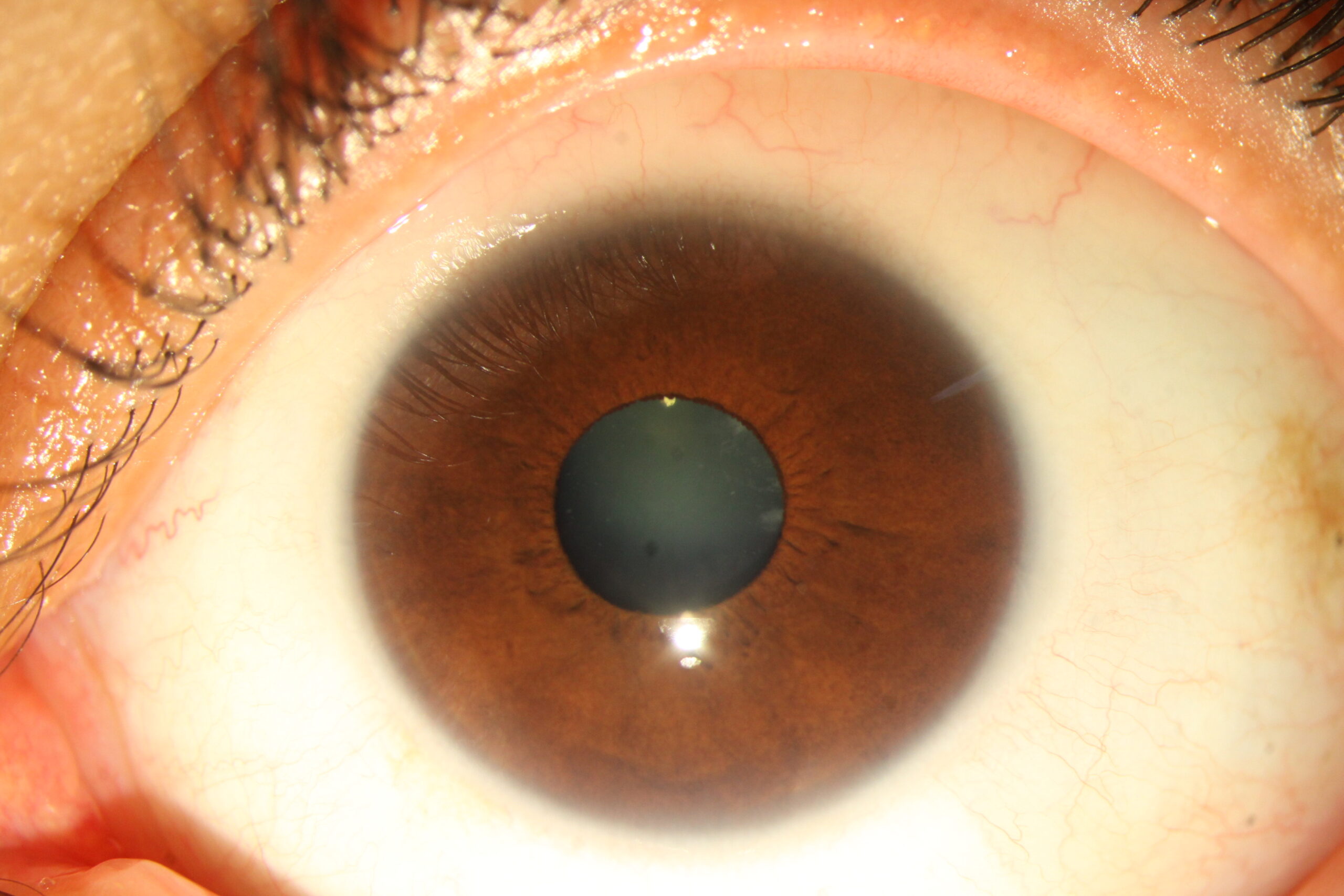

Iridologists study the patterns, colors, and markings of the iris, the colored part of the eye. They use charts and close visual inspection to note areas that may reflect stress in different body systems. This practice is part of complementary wellness work, and it offers another way to examine overall health patterns and daily habits. Here are some ways iridology reveals insights into your health:
Indicates Systemic Stress
Stress affects multiple body systems simultaneously. Poor sleep, irregular meals, high workloads, and limited movement frequently show up as patterns linked with nervous system strain or digestive burden. It may also appear as visual changes within the eye. In iridology, certain fiber changes, rings, and discolorations are read as signs of strain.
These markings are not treated as proof of disease, but they are used as observational clues. These visible details are compared with your health history and daily routines, which helps place the iris findings in context. A person with persistent fatigue and digestive discomfort may show markings associated with stress in the digestive zones of the iris chart. The observation does not replace lab work or a physician’s exam, but it adds another layer of information for review.
Measures Toxic Accumulation
Some iridology practitioners use the iris to assess signs associated with toxic load or waste buildup. They note dark spots, clouded areas, or color shifts that are thought to reflect sluggish elimination. This approach is based on traditional iridology theory, and it does not replace medical testing standards. But it can guide a conversation on lifestyle review. An iridologist sometimes asks about:
- Hydration
- Bowel habits
- Food choices
- Alcohol use
- Medication history
- Exposure to smoke or chemicals
This process may help identify patterns in daily life that place extra burden on the body. For someone who reports low water intake, processed food use, and frequent headaches, the practitioner may recommend tracking fluids and meals before making wellness changes. Some practitioners focus on lifestyle habits, and others emphasize gradual changes based on observed patterns.
Suggests Constitutional Integrity
Constitutional integrity is the body’s inherited strengths and weaknesses as interpreted through the iris structure. In this model, dense, even iris fibers are read as a sign of stronger tissue tone, while loose or broken fibers suggest lower resilience. These readings do not aim to evaluate overall health, but rather identify that each person may respond to stress differently.
This section of iridology shapes practical advice. If a person appears to have lower constitutional strength, the practitioner may suggest more regular routines, improved sleep timing, or closer attention to diet. Those suggestions are general wellness steps, and they are not treatment plans.
Some constitutional markings are viewed as stable traits, but others may shift with age, stress, or long-term habits. That distinction gives the session a balanced focus on both inherited patterns and current conditions. Although these markings are usually consistent, they may be interpreted differently depending on the practitioner’s approach.
Visit an Iridologist
If you want a structured look at wellness patterns, schedule a session with an iridologist and bring a clear health history. Ask how the practitioner interprets findings and where the limits of iridology begin. The visit is part of a broader health review, especially if you already work with a certified physician. If this approach fits your interests, book an appointment today.