
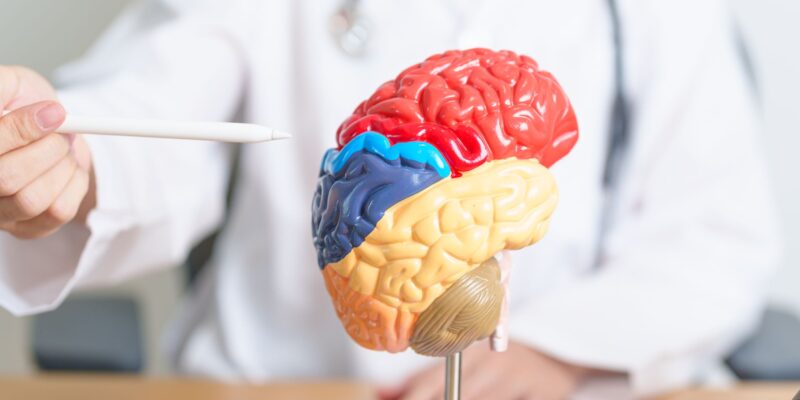

Neurological disorders affect the nervous system, including the brain, spinal cord, and peripheral nerves. These conditions often result from nerve damage, inflammation, or structural abnormalities that disrupt normal communication within the body. Patients often experience symptoms that can interfere with daily function. Treatment approaches focus on individualized care plans that are able to include non-pharmaceutical therapies and targeted medical strategies to help manage symptoms and improve quality of life.
Evaluating alternative medical options
Evaluating alternative medical options involves exploring additional approaches when standard treatments do not fully address neurological disorders. While medications are commonly prescribed, they may not always provide complete relief for certain nerve-related conditions. As a result, some patients seek non-invasive therapies offered through integrative care clinics.
These clinics may provide treatments such as acupuncture and electroacupuncture to help manage neurological discomfort. Integrative medicine focuses on addressing the body as a whole rather than isolated symptoms. Practitioners assess overall health and develop care plans tailored to individual neurological concerns.
Patients often research different providers to find appropriate treatment options for their condition. This approach emphasizes supportive care strategies that aim to improve nerve function and reduce symptom severity. By combining multiple therapeutic methods, specialists work to address underlying neurological issues more effectively.
Exploring targeted electrical therapies
Frequency-specific microcurrent therapy is a treatment used to address pain and nerve-related inflammation. This approach applies low-level electrical currents that target specific frequencies associated with affected tissues. The therapy is designed to support the body’s natural healing processes while reducing discomfort linked to neurological conditions.
During treatment, trained providers deliver controlled electrical impulses to targeted areas of the body. The nervous system responds to these signals as cellular activity is stimulated in the affected tissues. Over time, this process may help improve nerve function and support gradual recovery of normal movement and sensation.
Providing advanced clinical treatments
Advanced clinical treatments for neurological disorders may include therapies designed to support tissue recovery and reduce inflammation. Ozone therapy is one approach that is able to enhance oxygen delivery to damaged tissues. This increased oxygenation can support cellular repair and overall neurological function.
Providers administer these treatments after evaluating a patient’s specific neurological condition. Care plans are typically structured around scheduled sessions that target affected areas over time. These therapies are often used as part of a broader integrative treatment approach.
Dry needling may also be used to help relieve muscle tension and nerve-related discomfort. This technique targets tight or dysfunctional muscle tissue to improve movement and reduce pain. When combined with other therapies, it can support overall symptom management in neurological care and promote improved functional mobility and recovery outcomes over time.
Schedule a Neurological Disorders Consultation today
Chronic neurological and related conditions may worsen over time without timely medical attention. Early intervention helps reduce symptom progression and supports more effective long-term management. Clinics offer alternative and non-pharmaceutical therapies designed to address complex or persistent cases. Patients benefit from exploring multiple treatment options tailored to their specific condition. Contact a clinic today to schedule a consultation and begin appropriate care.