

Common warts affect people of all ages, and they often appear on the hands, fingers, and feet. These growths are harmless in most cases, yet they can cause discomfort. Knowing what they are and how they form helps patients choose the most suitable treatment. Here is more information on the causes, symptoms, and treatment options for common warts:
What Are Common Warts?
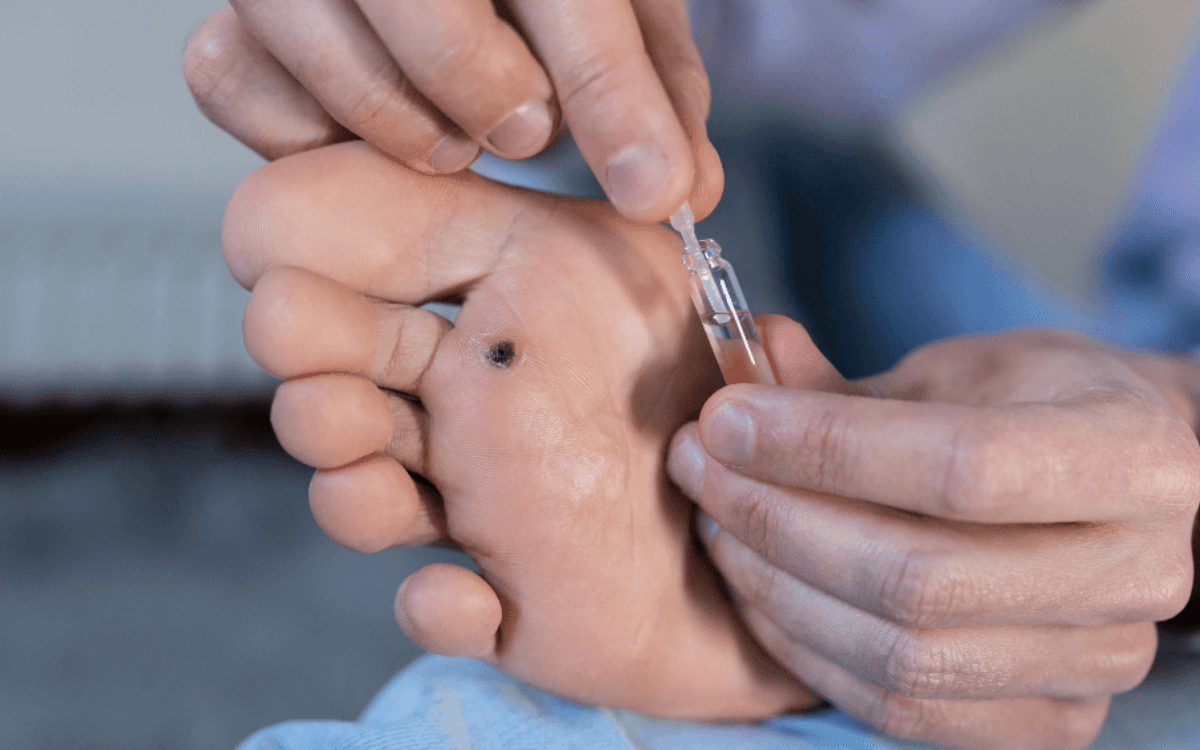
Common warts are small, grainy skin growths that develop on the skin’s surface. They tend to feel rough to the touch and may have a raised, dome-like shape. Most appear on the hands and fingers, though they also form on the feet, where they are known as plantar warts. While they are not dangerous, their texture and placement can interfere with daily activities. These growths can occur alone or in clusters, depending on how the virus spreads across the skin.
What Causes Them?
Common warts are caused by the human papillomavirus, a group of more than 100 related viral strains. The virus enters the body through small cuts, scrapes, or breaks in the skin, then they trigger rapid cell growth on the surface. This is why warts often appear in areas prone to minor injury, such as the hands and the soles of the feet.
HPV spreads through direct skin contact and through contaminated surfaces. Walking barefoot in locker rooms, sharing towels, or touching another person’s wart can transmit the virus. People with weakened immune systems and children tend to develop warts more frequently, as their bodies are less equipped to fight the infection. Consulting a podiatrist helps diagnose warts on the feet, and they will provide effective treatment options.
What Are the Symptoms?
Warts present with several recognizable signs. Identifying these features early helps distinguish a wart from other skin conditions, such as corns or calluses. Symptoms include:
- Small, rough, grainy bumps on the skin
- Flesh-colored, white, pink, or tan growths
- Tiny black dots, which are clotted blood vessels
- Pain, particularly when warts form on weight-bearing areas of the feet
- A hardened, thickened surface over the affected area
- Clusters of growths that spread to nearby skin
Some warts cause no discomfort at all, while plantar warts on the soles can make standing or walking painful. Tracking changes in size, color, or number gives useful information when seeking treatment.
What Are the Treatment Options?
Several treatments can remove common warts, and the right choice depends on the wart’s size, location, and how it responds to earlier methods. Topical treatments containing salicylic acid work by gradually dissolving the layers of the wart. The liquid is applied directly to the growth over several weeks, removing infected skin a little at a time. This method is suited to smaller growths, though it requires consistent application.
Cryotherapy freezes the wart with liquid nitrogen, destroying the affected tissue. A clinician applies the substance directly to the growth, causing a blister to form around it. The wart then falls away as the skin heals, and several sessions may be needed for full removal. For warts that resist other treatments, surgical removal offers a direct solution.
Consult a Podiatrist
Common warts are caused by HPV, and they are treated through topical liquids, cryotherapy, or surgical removal. The right method depends on where the wart is, how large it has grown, and how it has responded to past treatment. Foot warts benefit from professional care, as they often occur on weight-bearing areas and can cause pain. If you have a wart that is painful, spreading, or unresponsive to home treatment, book an appointment with a podiatrist.