-

Managing Allergies During the School Year
Allergies can affect a child’s comfort, focus, and daily routine during the school year, especially when triggers are present in classrooms, cafeterias, or outdoor spaces. Managing symptoms requires identifying allergens, communicating with school staff, and keeping necessary medications available. Here are practical ways to manage allergies during the school year: Identify Common Triggers Students encounter…
-
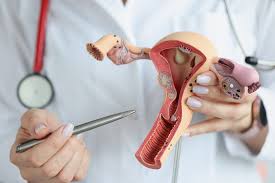
Navigating the Gynecological Care Journey From Adolescence to Menopause
Gynecological care supports the female reproductive system from adolescence through menopause. Regular gynecology visits involve preventive screenings, family planning, and condition management, all of which support overall health. Consulting a gynecologist regularly promotes long-term reproductive health, and it addresses specific medical concerns at each stage of life. Gynecological care spans several decades of a patient’s…
-

Benefits of Using Telemedicine
Telemedicine provides medical care through video visits and secure online messaging instead of in-person visits to a clinic. It is often used for follow-up visits, medication reviews, and discussions about symptoms that do not require an immediate physical exam. For many patients, this format reduces scheduling barriers, and it changes how they access care. Here…
-

The Benefits of Choosing General Practice Medicine for Your Family
General practice medicine provides accessible and ongoing healthcare for individuals and families across different ages and stages of life. It may include preventive care, routine check-ups, and referrals to specialists when needed. Here are some benefits of choosing general medicine for your family: Supporting Whole-Family Care A primary benefit of general practice medicine is that…
-

How Often Should I Visit My OB/GYN?
Women should generally schedule a routine wellness exam with an obstetrician/gynecologist once a year. These annual visits provide preventive care, and they facilitate early detection of reproductive health issues. Doctors may recommend more frequent visits if a patient experiences pregnancy, specific medical conditions, or abnormal test results. Here is more information on the services an…
-
Managing Lifestyle Changes Post-Bariatric Surgery
Bariatric surgery marks the beginning of a long-term adjustment in daily routines; many people need to follow new habits related to meals, fluids, movement, and follow-up care. These changes shape how a person plans their day and shops for food. Managing life after bariatric surgery involves structure, consistency, and close attention to provider instructions. With…
-

Proactive Measures for Maintaining Healthy Feet in Diabetic Patients
Diabetic foot care plays a fundamental role in preventing complications such as wounds, infections, poor circulation, and nerve-related foot problems. Regular monitoring, proper hygiene, and routine professional evaluations can help diabetic patients protect their feet and maintain mobility. Here are some proactive measures for maintaining healthy feet in diabetic patients: Inspect Feet Daily Checking your…
-

What Does a Doctor Assess During a Physical Exam?
A routine clinical physical exam provides a baseline understanding of a patient’s overall health. Physicians evaluate multiple body systems during this standard medical visit, and they document any noticeable deviations from previous health records. Because medical professionals require accurate diagnostic data, they review their patients’ symptoms alongside family health history. When doctors establish this baseline…