
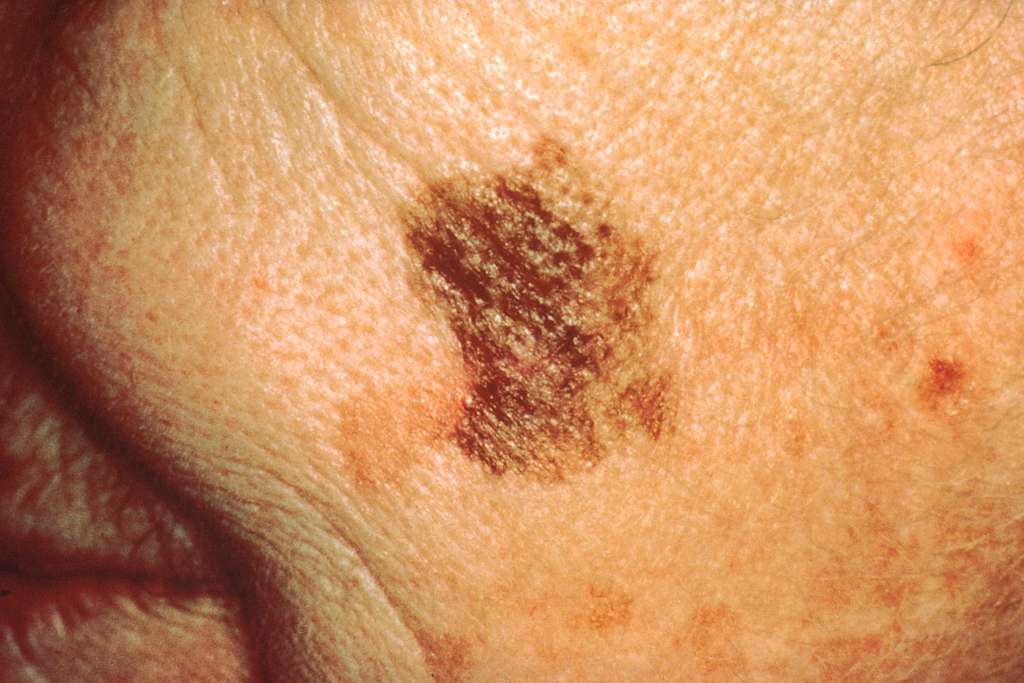

Skin cancer care involves understanding your precise diagnosis. Doctors define melanoma in specific stages, and this medical system guides your treatment plan. Because melanoma grows over time, doctors evaluate tumor stages. This classification relies on the TNM system.
Melanoma Stages 0 and I
Stage 0 is known as melanoma in situ. It is confined to the epidermis, and it has not spread to nearby lymph nodes. Stage 0 is also labeled Tis. This means the melanoma remains in the top layer of the skin. When tumors advance to Stage I, they measure up to two millimeters thick and might ulcerate. Medical dermatology clinics treat these early surface tumors, since they are in an early stage.
Your dermatologist reviews biopsy results, and they measure tumor depth. If surgery is recommended, the goal is to remove the melanoma with clear margins. The cancer remains localized, and your specialist keeps monitoring the skin. Although the tumor grows slightly, it remains contained, and distant tissues show no evidence of disease. Follow-up visits help check the treated area. They also help find new or changing spots.
Stage II and III Details
While stage II tumors measure over one millimeter thick, they can exceed four millimeters in depth. A thicker tumor sometimes needs wider removal. Your care team also discusses lymph node evaluation. When melanoma advances to stage III, tumor thickness varies. Surgical dermatology services often address these complex tumors. Surgery may remove the main tumor, and it includes selected lymph nodes. Your team may request imaging, and they carefully review pathology reports. These details help confirm the stage. Follow-up plans vary by stage, so ask how often you need skin and node checks. Your provider may discuss that:
- Stage II is IIA, IIB, or IIC, based on tumor thickness and ulceration.
- The stage II does not reach lymph nodes, so the node status remains N0.
- Stage III involves nearby lymphatic channels, satellite tumors, or in-transit melanoma.
- Stage III involves regional lymph nodes, classified as N1, N2, or N3.
- Distant organs remain clear in both stages, so the M-status stays M0.
Stage IV Next Steps
Stage IV melanoma spreads to distant parts of the body. The cancer might invade the spinal cord. It can reach the brain’s protective coverings. Doctors look for tumors in distant areas of the skin, and they check other organs outside the central nervous system. If cancer enters distant lymph nodes, the status becomes M1a, and your treatment plan changes. Stage IV requires comprehensive medical care. Your care team reviews imaging, biopsy results, symptoms, and prior treatments. Specialists use advanced therapies, and they monitor your body for any changes. Medical dermatology and skin cancer specialists may coordinate with oncology teams. Surgical dermatology may help when a skin tumor needs removal or biopsy. Ask which category applies to you. Also ask how often scans, skin exams, and lymph node checks are needed.
Review Your Action Plan
You should consult a dedicated skin cancer specialist. A medical professional reviews your stages, and they create a structured plan. After your dermatologist confirms your specific staging details, you discuss medical options. Dermatologists guide you through this complex process. Schedule a comprehensive staging review today, and start your medical treatment planning.