
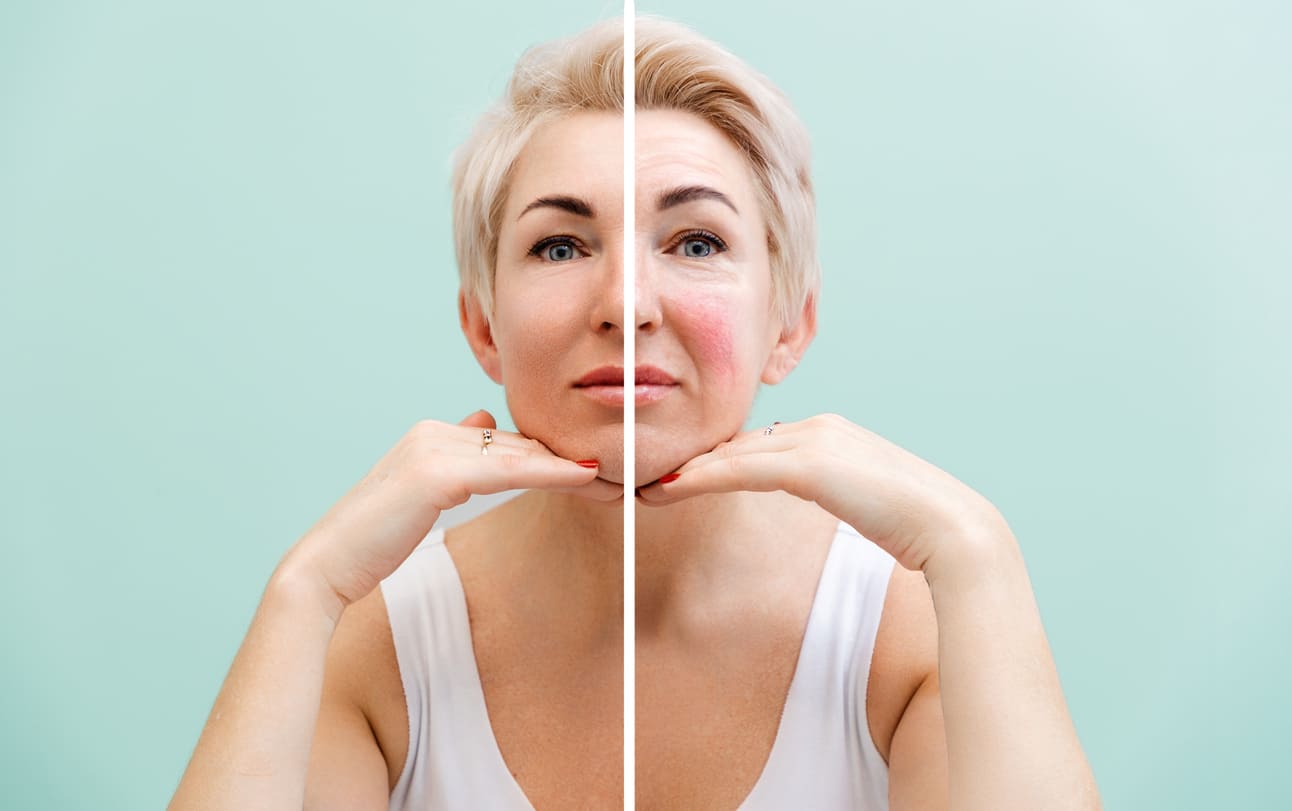

Rosacea affects millions of individuals in the United States, and it causes persistent facial redness and irritation. Patients may notice these symptoms worsen after exposure to specific environmental factors. Recognizing the relationship between daily habits and skin reactions helps in controlling the condition.
Clinical management relies on identifying what causes these sudden flare-ups. A dermatologist can help pinpoint these catalysts, and they will create a structured treatment plan. Since the disorder requires careful monitoring, seeking professional guidance is beneficial. Here is more information on this condition, what triggers it, and how to manage symptoms:
What Is Rosacea?
Rosacea is a chronic inflammatory skin disorder primarily affecting the central face. The condition typically emerges in adults over the age of thirty, and it often presents as transient redness. Rosacea is progressive, so early diagnosis helps in preventing severe skin alterations.
What Are the Symptoms?
The physical manifestations of this skin disorder vary among different patients. Some individuals experience mild flushing, while others develop painful skin complications over time. Symptom presentation differs widely, necessitating a comprehensive medical evaluation. Symptoms may include:
- Persistent facial redness across the nose and cheeks
- Visible broken blood vessels
- Swollen, red bumps that sometimes contain pus
- Ocular irritation, including dry or bloodshot eyes
These symptoms may fluctuate in severity depending on external conditions and lifestyle choices. A patient may remain asymptomatic for weeks, then experience a sudden onset of facial inflammation. Clinicians can track disease progression accurately when a patient documents these physical changes.
What Triggers Them?
Environmental and lifestyle factors sometimes initiate a rosacea flare-up. Sun exposure can cause symptoms in some individuals, so dermatologists recommend daily sunscreen use. When patients consume spicy foods or hot beverages, their blood vessels dilate rapidly, and alcohol consumption is an additional catalyst for facial redness.
Temperature extremes affect the skin’s vascular response, with hot baths increasing body temperature. This heat triggers immediate facial flushing. Cold wind strips moisture from the skin barrier, and winter weather can exacerbate the condition. High stress levels may increase the overall severity of symptoms.
How Can Triggers Be Managed?
Controlling this condition requires a systematic approach to lifestyle modification and daily skincare routines. Patients should apply a broad-spectrum sunscreen daily, as ultraviolet radiation continuously stresses sensitive skin. Wearing wide-brimmed hats protects the face, and seeking shade further prevents direct solar damage.
Dietary adjustments are another effective way to reduce vascular dilation, and individuals benefit from keeping a daily log. They can then correlate specific meals with subsequent skin reactions. Once a patient identifies a problematic ingredient, they can remove it from their diet entirely.
Gentle skincare practices protect the epidermal barrier from unnecessary irritation, reducing symptoms. Patients should use mild cleansers. They should also avoid scrubbing their face with rough washcloths. Applying a quality moisturizer regularly is beneficial, as it soothes the skin and reduces overall sensitivity.
How Is Professional Guidance Beneficial?
A qualified medical professional provides targeted interventions that standard over-the-counter products cannot match. Medical supervision helps prevent the misuse of inappropriate skincare products. A doctor will evaluate the patient’s skin type, and they will recommend safe, clinically tested formulations. This structured oversight helps manage the disease, which may improve the patient’s long-term prognosis.