
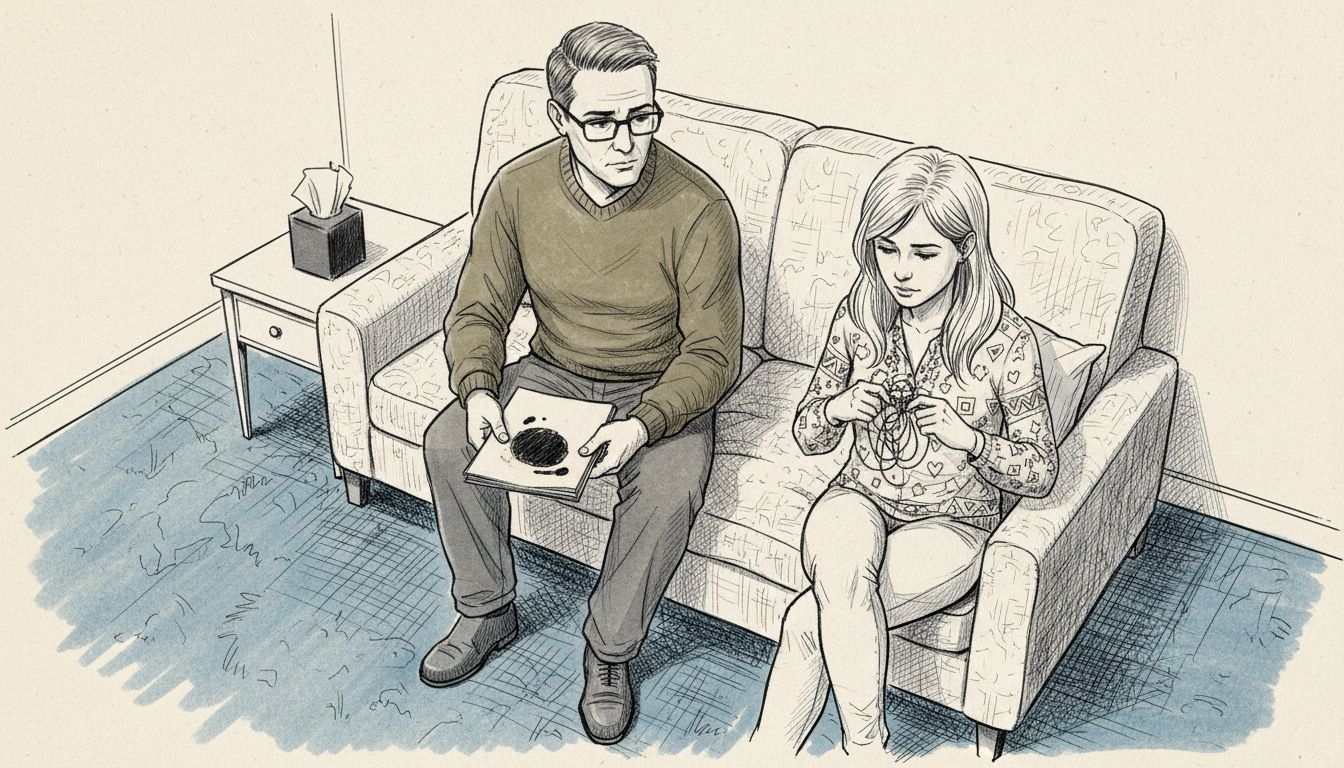

Post-traumatic stress disorder (PTSD) alters the way an individual processes memory and threat. When a person witnesses or experiences a severe traumatic event, their nervous system reacts to protect the body. While many people recover naturally over time, some develop long-lasting reactions that disrupt routine activities. Living with this psychiatric condition changes daily functionality, and responsibilities and relationships can suffer due to intrusive memories and elevated stress levels.
What Is PTSD?
PTSD is a psychiatric condition triggered by exposure to severely distressing events; such events involve natural disasters, accidents, combat, or prolonged abuse. A clinical diagnosis requires symptoms to persist for more than one month. These symptoms must also cause measurable impairment in various functional areas of daily life, such as in social life and at the workplace. Certain risk factors elevate the probability of developing the disorder. A prior history of trauma, early childhood adversity, and lacking a strong support system contribute to higher diagnosis rates.
How Does It Impact Life?
Medical professionals categorize the symptoms into a few distinct groups, with the severity and frequency of these symptoms varying widely. Individuals experience intrusive thoughts, and these manifest as involuntary memories, vivid flashbacks, or frequent nightmares. A person might feel as though the traumatic event is happening again in real time. Triggers in the daily environment can prompt these distressing recollections.
Avoidance behaviors may develop. People can actively avoid places or situations related to the initial trauma, causing them to withdraw from social gatherings or alter their daily travel routes to bypass specific locations. This avoidance may lead to isolation, restricting regular lifestyle habits.
Negative changes in cognition and mood also occur, leading to symptoms that can be confused for other conditions. Individuals may feel detached from loved ones or lose interest in previously enjoyed activities. They can struggle to recall specific details about the traumatic incident. Pervasive negative beliefs about oneself or the surrounding world also characterize this symptom category.
Arousal and reactivity levels change, including hypervigilance, irritability, and an exaggerated startle response. People might experience sleep disruptions or find it difficult to concentrate on standard workplace tasks. They can remain constantly on guard against perceived dangers.
How Is It Treated?
Mental health professionals utilize several evidence-based methods to address the condition. Treatment plans require individual customization, based on specific symptoms and patient history. Psychotherapy remains a primary treatment avenue, and medication also plays a role in symptom management. Patients can combine pharmacological treatments with ongoing talk therapy.
Emerging neuromodulation techniques provide alternative options. Magnetic e-Resonance Therapy uses personalized magnetic pulses based on brainwave data, aiming to restore synchronized brain communication. Providers evaluate electroencephalogram results and tailor the magnetic stimulation to the individual’s specific neurological patterns.
Seek Professional Medical Care
Addressing mental health challenges requires guidance from qualified providers, and prompt intervention generally yields more favorable outcomes. Initiating contact with a healthcare clinic or specialized treatment center marks the first step toward managing the condition. Always consult a physician, as they can determine the most appropriate and safe treatment strategy for your specific situation.