
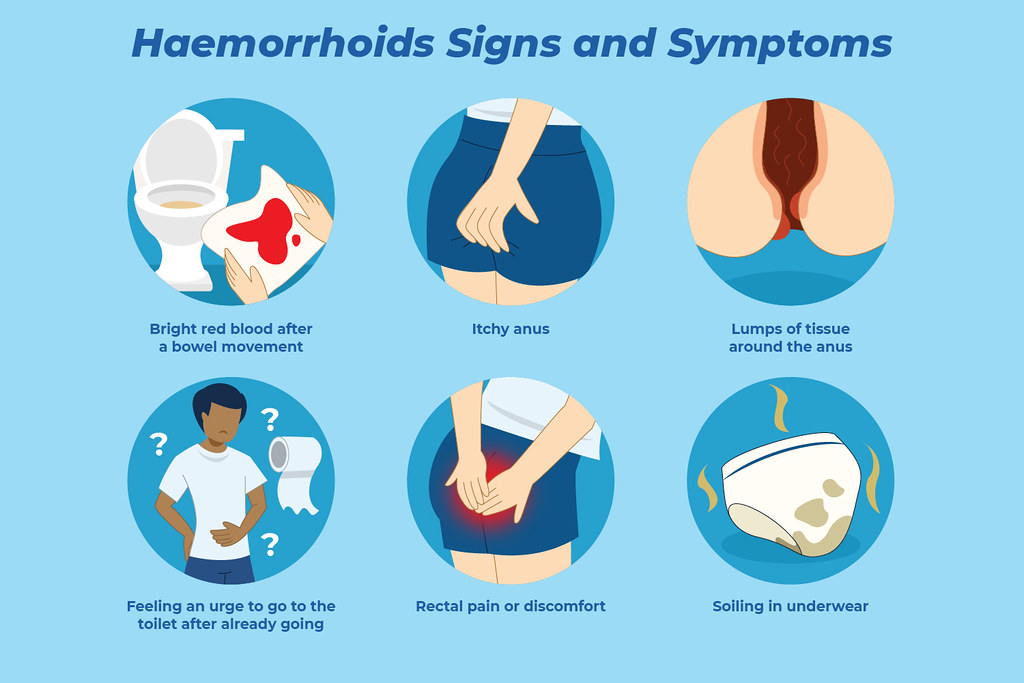

Hemorrhoids are swollen veins in the rectum or around the anus, and they cause discomfort, bleeding, or irritation. Internal hemorrhoids form inside the rectum, while external ones develop under the skin around the anus. Many people experience hemorrhoids at some point in their lives, and understanding them is the first step toward relief. Here is more information on the causes and symptoms of this condition:
Strain During Bowel Movements
Straining during bowel movements raises pressure inside the abdomen significantly. This pressure pushes against rectal veins, and over time, those veins stretch and swell. Repeated straining is a direct cause of hemorrhoids.
Spending long periods on the toilet worsens the problem. The seated position already places pressure on the anus, and prolonged sitting increases that load. People who read or use phones on the toilet tend to stay seated longer than necessary.
Constipation and Diarrhea
Constipation puts direct pressure on the veins in the lower rectum. When stool stays hard and dry, the body strains to pass it, and that repeated pressure inflames nearby tissue. Chronic constipation is a significant trigger of hemorrhoid development.
Frequent diarrhea also irritates the anal area over time. The repeated passing of loose stool disturbs delicate rectal veins. As diarrhea typically occurs in episodes, the irritation builds up gradually and worsens existing hemorrhoids.
Both conditions disrupt normal bowel function, and each one creates stress on rectal tissue. A diet low in fiber tends to cause constipation, while infections or digestive conditions can cause diarrhea. Managing either condition early may reduce the likelihood of hemorrhoid flare-ups.
Lumps Near Anus
A noticeable lump near the anus is one of the clearest signs of an external hemorrhoid. The lump may feel firm or soft, depending on whether it contains clotted blood. When a blood clot forms inside an external hemorrhoid, doctors call it a thrombosed hemorrhoid.
Typical physical signs of hemorrhoids include:
- Tender lump at the anal opening
- Increased swelling that worsens after bowel movements
- Visible protrusion during or after straining
Internal hemorrhoids sometimes prolapse, meaning they push outside the anal opening. A prolapsed hemorrhoid can be gently pushed back inside, though it may repeatedly return. Since internal hemorrhoids lack pain-sensitive nerves, they often go unnoticed until they bleed or prolapse.
Itchiness and Irritation
Itchiness around the anus is a major symptom, and it signals irritated or inflamed hemorrhoidal tissue. Mucus from internal hemorrhoids can leak onto the surrounding skin, causing persistent irritation. This moisture creates a cycle of itching that worsens with scratching.
Irritation increases when stool residue stays in contact with anal skin. Wiping too aggressively can further damage already sensitive tissue. As the area stays moist and warm, healing takes longer without proper hygiene and care.
Symptoms that can accompany anal itchiness include:
- Mild burning during or after bowel movements
- Skin that appears red or inflamed around the anus
- Discomfort that worsens when sitting for long periods
Get Treated for Hemorrhoids
Hemorrhoids do not always resolve on their own, and symptoms can persist or worsen without treatment. A doctor will assess the severity and recommend a plan that fits the individual case. Treatment options range from dietary changes and topical creams to minor procedures performed in a clinical setting. Contact a healthcare provider today to discuss your symptoms and start an appropriate course of treatment.