
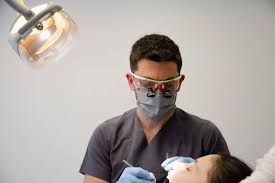

Regular visits to a dental professional help maintain your oral health. A standard appointment involves several evaluations and services, and it provides a baseline for future treatments. Because dentists evaluate your mouth for signs of disease, they can recommend proactive care. When you schedule regular dental exams, your provider builds a comprehensive medical history. This history guides future decisions, and it helps your provider keep your teeth healthy over time. Here is more information about what is involved in a comprehensive dental exam:
Understanding Dental Exams
Patients undergo dental exams to preserve the health of their teeth and gums. During these visits, dentists identify developing issues before they become severe, and they can outline a treatment plan if needed. Dentists use this physical assessment to gain a clearer picture of your current health and track significant changes over time. Most dentists recommend that patients visit the dental office for a cleaning and exam every six months.
A thorough examination includes a visual inspection of your entire mouth. The dentist looks at your bite alignment, and they check for any signs of jaw pain or gum disease. After they perform the exam, the dentist may take X-rays as part of your appointment.
The hygienist performs the initial preparations and cleaning, and the dentist completes the exam. While home care helps keep your mouth clean, a professional assessment catches the things you cannot see. The dental staff can also answer questions you have about new symptoms.
Completing Professional Cleanings
A professional cleaning appointment offers a comprehensive approach to oral hygiene that surpasses daily brushing and flossing. Here is what you can expect during the cleaning process:
- Plaque and tartar removal: Dental hygienists use specialized tools to scrape away plaque and tartar deposits that regular brushing can miss.
- Polishing: After the deposits are removed, the hygienist polishes the enamel to leave your teeth feeling smooth and clean.
- Flossing and debris removal: The hygienist flosses between your teeth to remove any leftover debris for a thorough clean.
- Personalized education: If heavy plaque buildup is observed, the hygienist may provide personalized instructions on proper brushing and flossing techniques to improve your at-home care routine.
This detailed process not only provides a deeper level of care but also provides you with the knowledge to better maintain your oral health between visits. Receiving regular scaling and polishing services can help prevent future tooth loss.
Evaluating Oral Cavities
Dentists inspect the entire mouth for signs of abnormality. They check the tissues for signs of oral cancer, and they look closely at the gums for periodontal disease. If a patient has existing dental restorations like crowns or fillings, the dentist evaluates their state to determine if a replacement is needed.
Some other items a dentist checks during the exam are as follows:
- Bleeding or swollen gums
- Red or white patches
- Broken or worn fillings
- Loose teeth
- Signs of decay
Your existing restorations require regular check-ups. Fillings degrade over time, and crowns can become loose or cracked. Prompt replacements help preserve your natural tooth structure.
Performing Dental Imaging
Dental imaging reveals hidden problems in the mouth. A dental X-ray captures pictures of the jawbone, and it highlights cavities between the teeth. Since some diseases develop without visible symptoms, radiographs give dentists a more complete view of your underlying bone health.
Modern clinics use digital sensors to capture these images quickly. The technician places a small sensor in your mouth, and they use a device to take the image. The computer displays the picture afterward. Because digital imaging uses very low radiation, it is a safe diagnostic tool for all patients.
Schedule Your Dental Exams
A routine appointment includes a thorough physical evaluation, a professional cleaning, and detailed imaging. Dentists use all of these components to evaluate your mouth, and they catch small problems early. Symptoms like tooth pain and bleeding gums typically warrant a visit to the dentist outside of a scheduled check-up. If you have questions about the dental services available to you, consult a dental professional near you.