
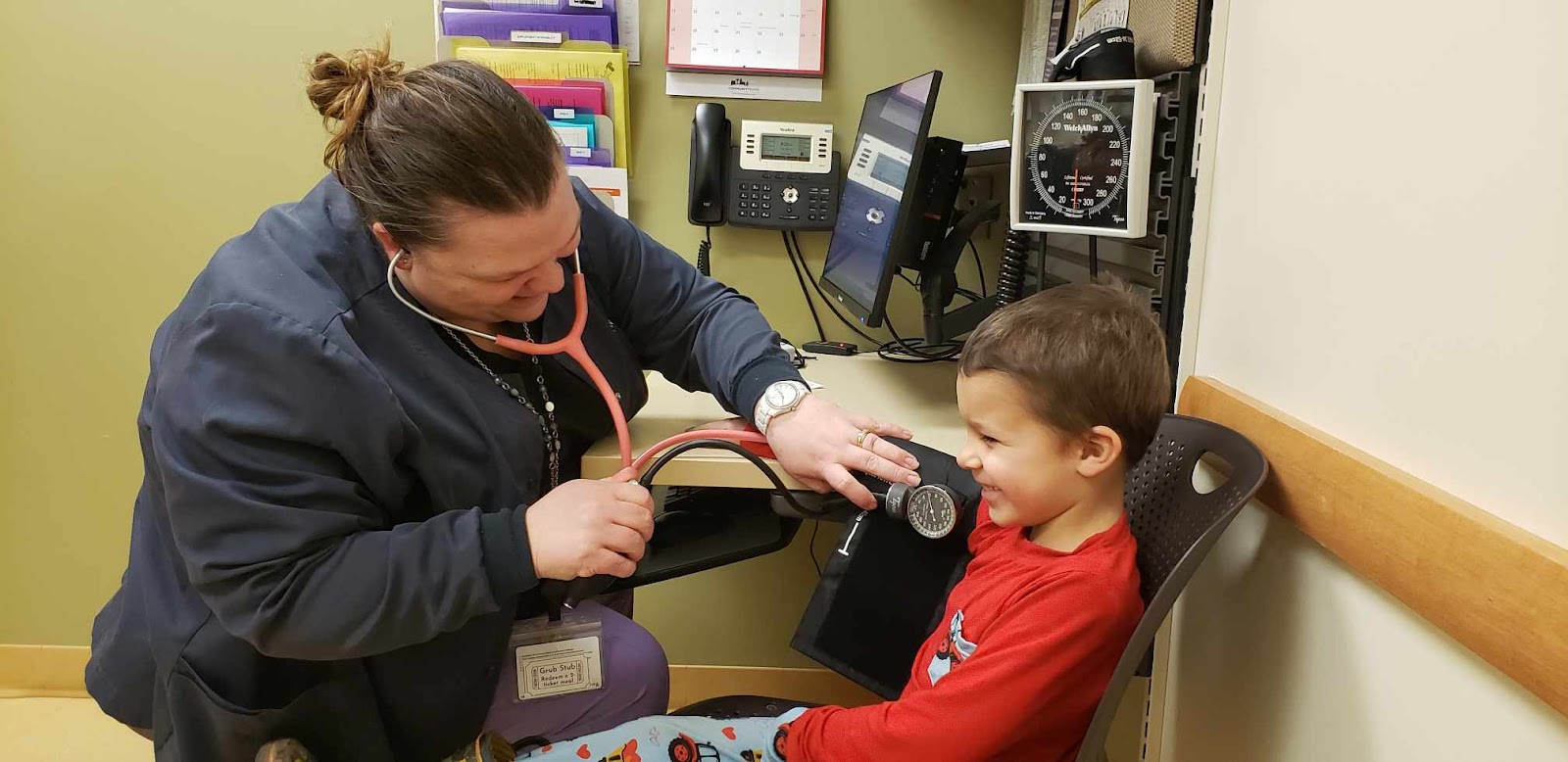

A family medicine physician evaluates your overall health during routine check-ups. These visits help physicians catch early signs of disease, and they give patients a chance to ask health questions. When doctors track your health over time, they can customize treatments to fit your unique medical history. Regular appointments help you and your doctor keep track of your medical history and ongoing conditions.
Defining Family Doctors
A physician specializing in family medicine treats patients across all stages of life. They can diagnose a wide variety of conditions. A family doctor sees infants, children, teens, and adults. Because they treat whole families, these providers may understand shared genetic histories. Many patients visit these doctors for acute illnesses as well as preventive services. Other individuals schedule visits for chronic disease management, or they seek advice on healthy lifestyle habits.
Understanding Routine Check-ups
A routine check-up evaluates your current physical condition and several standard health markers. The appointment usually involves a physical exam, and the doctor updates your medical records. Providers check vital signs like blood pressure and heart rate. When a patient reports new symptoms, the physician investigates the underlying cause.
Check-ups change as a patient grows older. During an infant visit, the provider tracks developmental milestones, and they measure head circumference. Children may need vision and hearing screenings before they start school. Teens often receive evaluations for mental health, and doctors can discuss safe behaviors with them. Adult check-ups involve various health screenings for cancer and heart conditions.
Receiving Preventive Care
Preventive care stops diseases before they start. Doctors provide age-specific services, and they can schedule these interventions during routine visits. Infants receive vaccines to prevent severe illnesses. Because childhood immune systems are developing, young patients get booster shots. Adults also benefit from vaccines for seasonal illnesses, such as influenza.
As patients age, preventive needs shift. Teens receive human papillomavirus vaccinations. Doctors can screen teens for depression. Adults have regular cancer screenings to help identify any issues while they are most treatable. Doctors order mammograms for women, and they recommend colonoscopies for older adults.
Here are some common preventive services:
- Blood pressure screenings
- Immunizations for seasonal viruses
- Blood glucose testing
- Mental health evaluations
- Blood testing
Gaining Long-term Health Benefits
Seeing a provider regularly can keep you healthier over time. Catching diseases early makes treatments more effective, and patients recover faster from minor illnesses. When your doctor knows your history, they can make better diagnostic decisions.
Here are some benefits of regular visits:
- Better chronic disease management
- Faster detection of new illnesses
- Centralization of your medical records
Learn More About Family Medicine
Regular medical appointments help you maintain good health throughout your entire life. Family medicine doctors treat patients of all ages, and they offer tailored preventive care for every life stage. These visits allow doctors to catch diseases early. Seeing a doctor who knows your medical history for preventive care and acute illnesses can help you get the care you need. If you want to learn more about the benefits of seeing a family doctor, consult a family medicine clinic near you.