

The human vascular system consists of a complex network of arteries and veins, and medical professionals who specialize in treating this network are known as vascular surgeons. Since blood vessels impact every major organ, vascular health affects a patient’s overall physical condition. Understanding the scope of vascular surgery helps patients navigate their medical care. Here is more information on the specific role of vascular surgeons and when to consult them:
What Are Vascular Surgeons?
Vascular surgeons are medical doctors who diagnose and treat conditions affecting the circulatory system. These healthcare providers focus on long-term disease management, and they may prescribe specific lifestyle modifications to improve patient outcomes. Since chronic vascular conditions require ongoing observation, patients can build lasting clinical partnerships with these doctors. Medical management helps prevent progressive circulatory disease.
What Services Do They Offer?
Vascular surgeons provide a broad spectrum of medical services ranging from diagnostic testing to complex surgical interventions. They perform endovascular procedures, which involve guiding small instruments through blood vessels. This approach requires tiny incisions, and it reduces recovery times for some patients. The reduced physical trauma may lower the risk of post-operative complications.
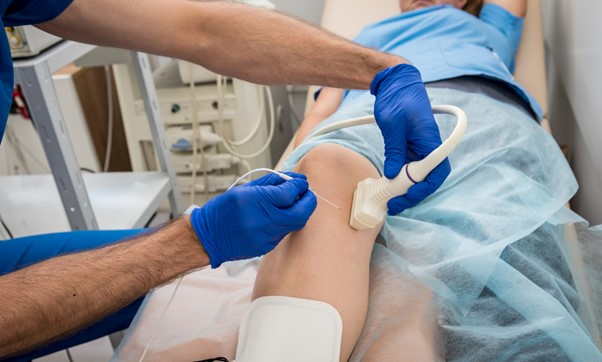
These specialists offer comprehensive medical evaluations and preventative care strategies. They use ultrasound imaging to monitor blood flow, and they interpret results to formulate precise treatment plans. When surgical intervention becomes necessary, the surgeon selects the most appropriate technique for the patient’s specific vascular anatomy. Diagnostic precision guides every clinical recommendation.
What Conditions Do They Treat?
Vascular surgeons treat a wide range of conditions affecting the circulatory system, including both cosmetic issues and life-threatening emergencies.
- Venous Conditions: They manage cosmetic issues such as spider veins and more severe conditions like bulging varicose veins.
- Deep Vein Thrombosis (DVT): These specialists treat blood clots that form in deep veins.
- Carotid Artery Disease: They manage blockages in the carotid arteries to maintain proper blood flow to the brain.
By addressing these varied conditions, vascular surgeons work to prevent deterioration and mitigate severe health risks.
What Does a Consultation Involve?
During an initial consultation, the vascular surgeon conducts a thorough review of medical history. The physician asks specific questions about the patient’s lifestyle. They also evaluate any previous diagnostic tests provided by the referring doctor. A detailed medical background informs the diagnostic process, and this comprehensive data collection provides the specialist with a clear understanding of the patient’s baseline vascular health before recommending therapies.
Following the historical review, the surgeon performs a targeted physical examination of the affected areas. They check pulses in various extremities, and they may recommend non-invasive imaging tests. Once the physician gathers all necessary clinical data, they present a customized treatment strategy for the specific condition. Patients can ask questions about the proposed medical plan.
When Should You Seek Help?
Certain physical symptoms indicate the need for a vascular evaluation. If a patient experiences persistent leg pain while walking, they should schedule an appointment promptly. Sudden swelling in one leg or non-healing wounds on the feet also require prompt evaluation by a specialist, as early assessment identifies localized blockages before tissue damage occurs.
Consult a Vascular Surgeon Today
Managing your circulatory health requires timely medical intervention and expert clinical guidance. A vascular specialist can diagnose complex vein and artery disorders. By seeking professional care, you gain access to targeted treatments that address the root cause of your symptoms. Early detection may enable effective treatment, and it helps prevent the need for extensive surgical procedures.