
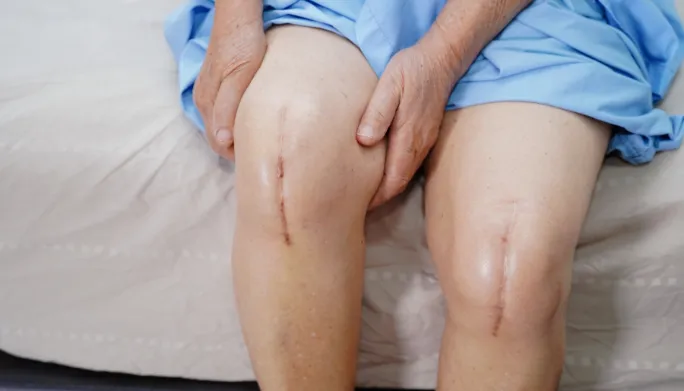

A knee replacement surgery aims to restore function and relieve discomfort in the affected joint. Knowing the stages of this process allows individuals to prepare. By reviewing these standard practices, patients can plan for their postoperative needs and navigate their rehabilitation timeline with clarity.
What Is Knee Replacement?
Knee replacement is a surgical procedure where a surgeon removes damaged cartilage and underlying bone from the affected knee joint. The medical team then substitutes these areas with artificial components. These prosthetic parts mimic the natural gliding movement of a healthy knee joint. Surgeons may perform this procedure for patients experiencing severe joint damage due to degenerative conditions, like osteoarthritis. The primary goal is to restore structural integrity and improve overall joint mechanics. Depending on the extent of the damage, a surgeon might perform a total or a partial knee replacement.
What Should You Expect?
Immediately following the procedure, patients move to a recovery room. Most individuals stay in the hospital for a short period, ranging from a few hours to a few days, depending on individual health status and facility protocols. Pain management begins immediately, and medications are prescribed by the attending physician to maintain patient comfort. Physical movement starts very early in the postoperative phase.
Medical staff may encourage patients to stand and walk using a walker or crutches within the first 24 hours. Early mobilization can help promote optimal blood circulation and prevent postoperative complications. Before discharge, patients receive instructions regarding wound care, medication, and warning signs of potential complications. The healthcare team may evaluate the patient’s ability to safely perform basic daily tasks, such as getting in and out of bed, to confirm they are physically ready to transition home.
What Does Recovery Involve?
The rehabilitation phase requires diligent participation in structured physical therapy. A physical therapist designs a specialized exercise program, which aims at restoring motion and rebuilding muscle strength around the knee. Patients may attend formal outpatient therapy sessions and complete a prescribed set of daily exercises at home.
During the first few weeks, localized swelling and mild discomfort are standard occurrences. Patients can manage these temporary symptoms by elevating the leg, applying ice packs as directed, and taking prescribed medications. As the weeks progress, individuals may transition from using a walker to a cane, eventually walking without assistive devices. Full recovery timelines can vary among individuals based on age, prior fitness levels, and adherence to the therapy plan, but most patients resume low-impact daily activities within six weeks. Complete rehabilitation, including the return to demanding physical tasks, can take several months. Consistent adherence to the designated physical therapy regimen dictates the ultimate success of the joint’s restored function.
Consult an Orthopedic Specialist
Every individual experiences joint deterioration and surgical recovery differently. Because individual medical histories and physical conditions vary greatly, speaking directly with an orthopedic specialist provides the most accurate guidance. A qualified surgeon evaluates specific joint symptoms and discusses appropriate interventions. Proper preparation and professional medical supervision remain the foundational elements of a safe and successful joint replacement process.