
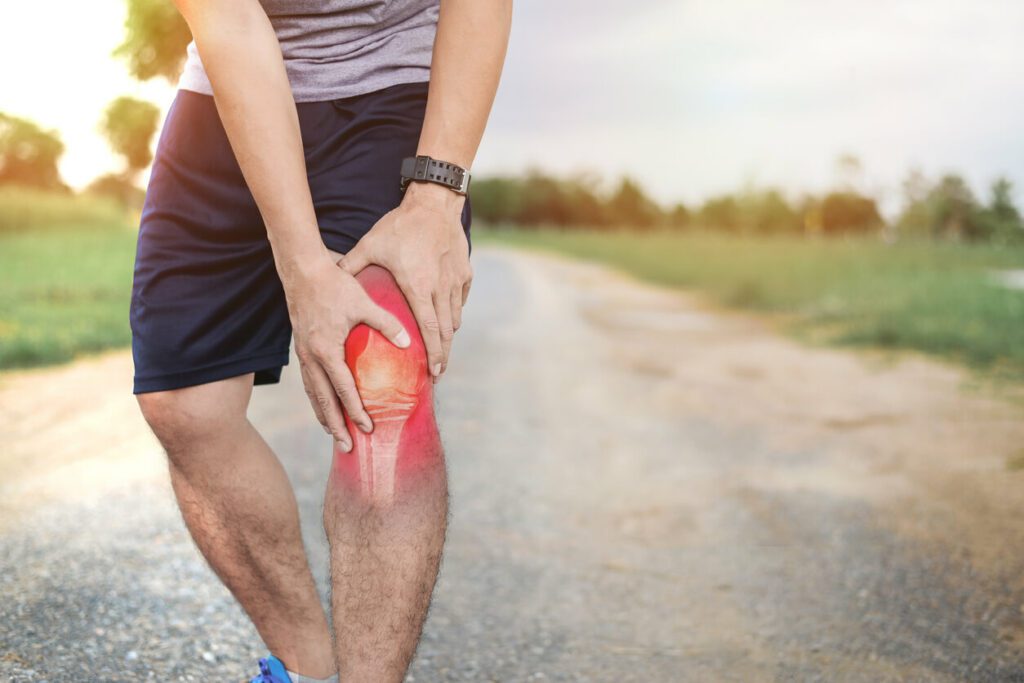

Knee pain is a common issue for athletes in sports that involve running, jumping, or repeated impact. It may develop after a single injury, or it builds slowly from repeated stress over time. Because knee symptoms vary, athletes need a structured approach that aligns with their sport and current limitations. Here are some ways for athletes to prevent and recover from knee pain:
Modify Activities
Adjusting how you train and compete can help reduce stress on the knee and promote recovery. When knee pain starts, the first step is to reduce activities that worsen symptoms. Identify which drills, lifts, or sport actions bring on pain, and adjust them for a short period.
Start by tracking when pain occurs; note the movement, surface, and pain level. Pain during downhill running often relate sto increased load on the front of the knee, while pain with deep squats involves joint compression. If jumping causes sharp pain, replace jump training with low-impact conditioning until symptoms are reviewed.
Warmups also matter. Use a gradual warmup that includes light cardio, dynamic leg movements, and sport-specific drills at a lower speed. These routines help prepare the knee for activity, and they reduce strain during higher-intensity movement by improving blood flow and joint mobility. If pain increases during the session, stop that activity and switch to a lower-load option.
Attend Physical Therapy
Physical therapy provides athletes with a structured setting to assess movement and sport-specific demands. A therapist could look at your:
- Squat
- Lunge
- Jump landing
- Running form
- Hip control
- Ankle motion
- Muscle strength
The goal is to identify factors that may be contributing to stress on the knee. This informs treatment recommendations, and targeted exercises often focus on muscles that support the knee. For some athletes, weak hip muscles may allow the knee to move inward during landing or cutting. For others, limited ankle motion changes squat or running mechanics.
A therapist may also use manual techniques or movement coaching. These tools do not replace training changes, but they support symptom management during recovery. Education is also part of the process. Learning to pace return-to-sport work and read symptom changes helps guide activity progression so that stress on the knee is adjusted appropriately throughout recovery.
Use Temporary Immobilization
Some knee injuries need short-term protection; a brace, wrap, or immobilizer can be used after an injury to limit movement. A medical professional should guide this decision, especially when swelling or instability is present. Immobilization is usually temporary. Long periods without movement may lead to stiffness and loss of strength, so the plan often includes a timeline for safe movement. Follow the directions given for weight-bearing and activity limits.
Manage Knee Pain
Knee pain in athletes often requires a mix of activity changes, guided exercise, and short-term protection when needed. Pay attention to pain patterns and changes in performance rather than pushing through every symptom. A measured plan can help you stay active while reducing avoidable stress on the joint. If knee pain limits mobility, schedule an evaluation with a physical therapist today.