
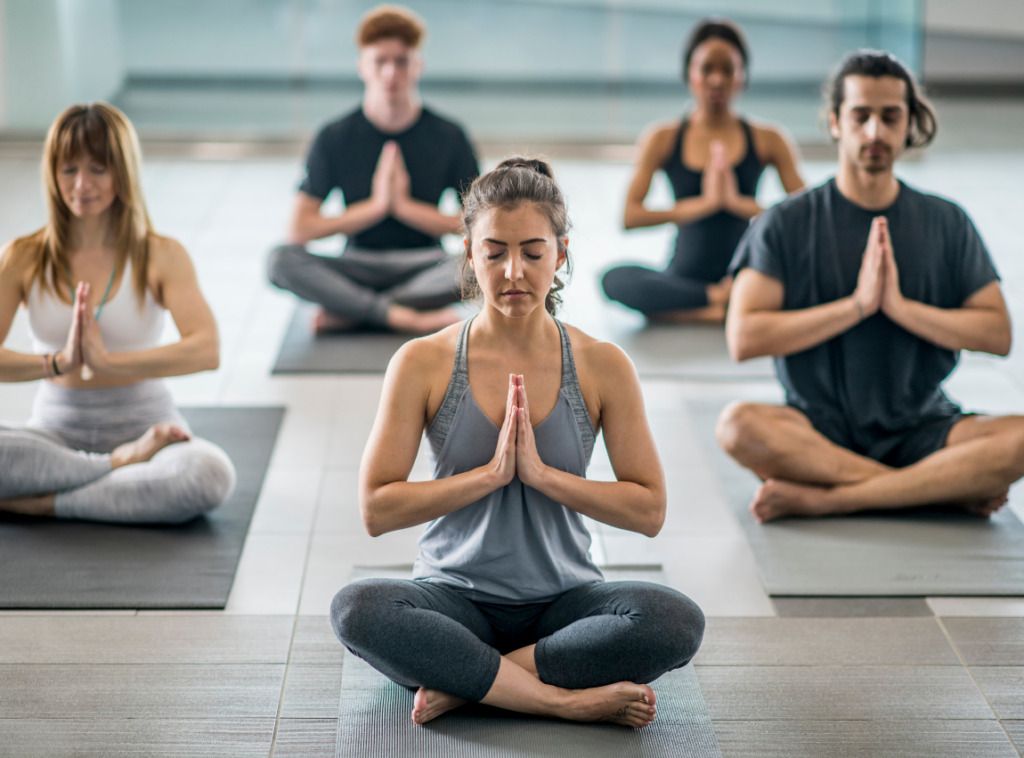

Mental health requires continuous attention and practical tools. You face daily stressors, and your mind needs rest. While stress occurs frequently, meditation provides structured wellness support.
Observe Your Thoughts
Meditation begins with focused attention on the present moment. You notice passing thoughts, but you do not judge them. Because thoughts move quickly, they often create confusion. Observation helps you understand them. You watch your mental patterns, and you identify recurring themes. When you recognize these themes, you gain insight, and this clarity informs your daily decisions. Unbiased observation prevents automatic reactions to external triggers. You pause before acting, and this pause provides valuable perspective.
While triggers happen constantly, you control your response. If you practice objectivity, your decisions improve. Your wellness journey becomes straightforward. You detect muscle tension, and you recognize shifts in breathing. When you identify these signals early, you can respond with intention. Your practice becomes more useful. A short daily check-in strengthens this skill over time. Sit quietly for five minutes, and you note what appears. Although the process seems simple, it builds awareness steadily. That awareness supports better choices.
Regulate Your Breathing
Breathing exercises support regulation during meditation. Air enters your lungs, and your nervous system slows down. When you control your breath, physical tension may decrease. Sometimes your responses become easier to manage. Physical stillness also supports focus. You sit comfortably, and your muscles release tension. Keep your attention on the practice as much as you can. If you maintain stillness, your body settles. Some breathing tips include:
- Count each breath to keep attention steady.
- Extend each exhale to support a slower pace.
- Use the same pattern daily to make practice easier to repeat.
Your body requires balance, and meditation supports that process. Nervous system regulation affects daily functioning. Since stressors still appear, you need practical methods. Regular breathing practice provides one. Regular practice also helps during busy periods. You will not control every stressor, but you can control your routine. If you return to the same method each day, your sessions stay focused. Your effort should stay practical.
Build a Consistent Practice
You can schedule regular sessions, and these appointments allow accountability. Since consistency matters greatly, MindSpa supports your routine. This support facilitates better results. Structured environments remove common barriers to entry. You enter the room, and the quiet atmosphere immediately supports your practice. When you utilize these spaces, you bypass home distractions. Your sessions may become effective. You measure your baseline, and you adjust your methods accordingly. When you review the data, patterns emerge, and these insights help you refine your practice. Support tools can also improve follow-through. Assessments provide a clear starting point, and they help you measure changes.
Start Your Wellness Journey
You can start small, and you will build better habits. Although meditation requires effort, it offers practical benefits. Resources exist to support your wellness objectives immediately. You can book an appointment, and a professional will assist you. After you schedule a session, you commit to your goals. While the path requires dedication, the process is clear. Your structured practice begins now.