
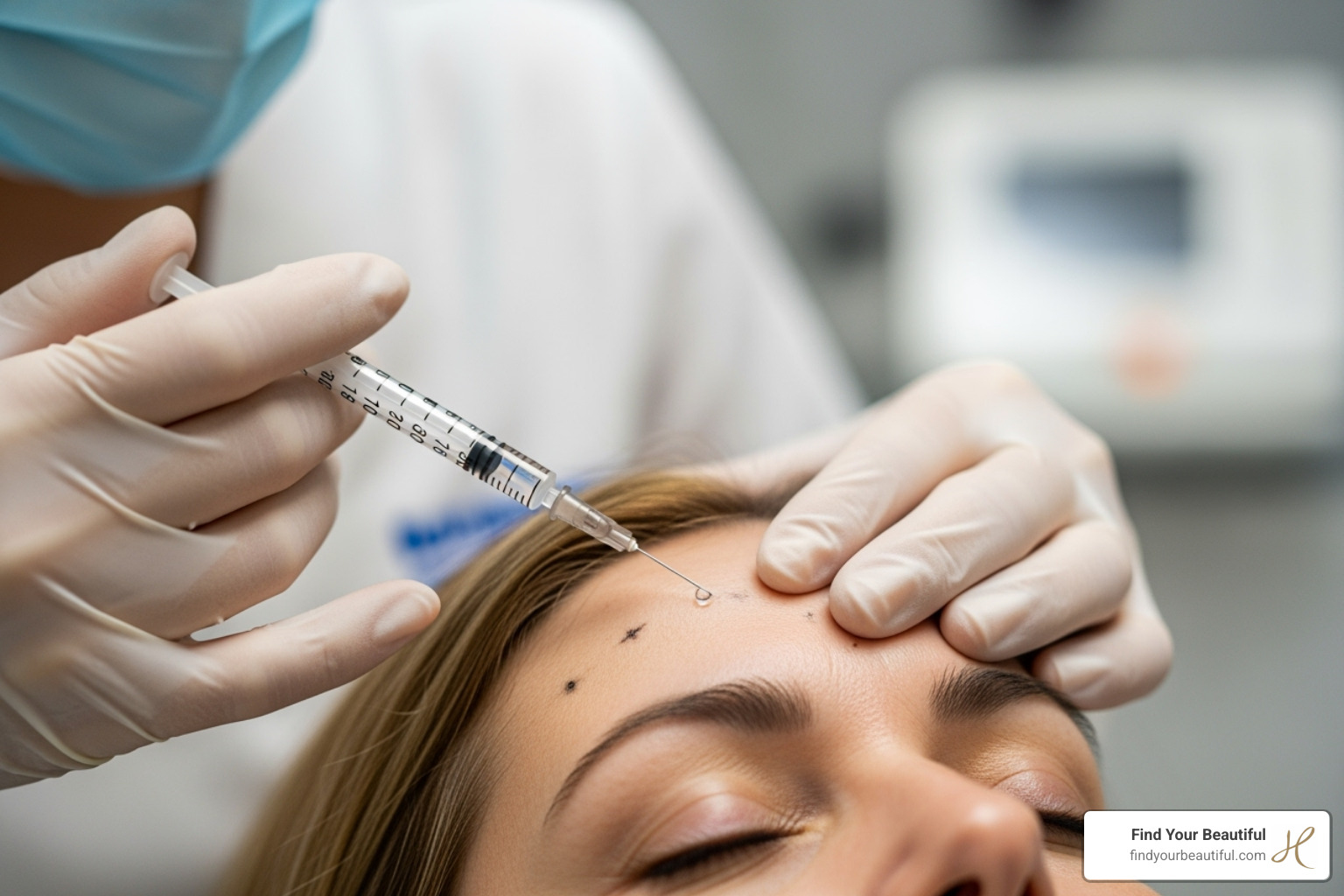

Wrinkles form naturally as individuals age, and some patients seek solutions to address these and other signs of aging. Botox is one method for addressing both cosmetic concerns and other issues, such as chronic migraines, because it directly targets the underlying muscle activity. You can get Botox injections every three to four months. Here is more information about Botox and its effects:
Exploring Botox Injections
A Botox injection uses a form of botulinum toxin to temporarily paralyze targeted muscles. Patients choose this treatment to reduce facial wrinkles, and doctors administer it for various medical reasons. A qualified medical provider injects the substance directly into specific areas because it is a targeted procedure. The injections take very little time.
Understanding Botox Mechanisms
The medication blocks specific nerve signals, and this action prevents the targeted muscle from contracting. When the facial muscles relax completely, the overlying skin becomes significantly smoother. This biological process visibly softens existing dynamic wrinkles. It also helps prevent new lines from forming over time.
Botox injections offer a range of advantages beyond their cosmetic appeal, making them a favored option for many individuals seeking improvements in their appearance and well-being. Below are some aspects of Botox treatments:
- Reduces fine lines and wrinkles: Botox effectively smooths dynamic wrinkles, such as frown lines, forehead creases, and crow’s feet, creating a more youthful appearance.
- Prevents formation of new wrinkles: By relaxing the muscles, Botox helps delay the development of new lines caused by repetitive facial expressions.
- Minimally invasive: It is a non-surgical procedure, which means no incisions or significant downtime are required.
- Other Medical Applications: Beyond cosmetic purposes, Botox is used to treat migraines, excessive sweating, muscle spasms, and certain neurological conditions.
Evaluating Botox Effects
After receiving Botox injections, patients typically experience smoother-looking facial skin, and these physical results normally last for three to four months. Mild localized redness can occur at the injection site, though this mild side effect resolves quickly. Many short-term side effects typically resolve on their own within a few days of the injection. Currently, there are no known serious long-term side effects of repeated injections for cosmetic purposes.
Below are some common short-term side effects of Botox injections:
- Mild pain or discomfort at the injection site
- Localized redness or swelling
- Temporary bruising
- Headache or feelings of tightness in the treated area
These side effects are usually mild and do not interfere with daily activities. Consult your healthcare provider about any concerns following injections.
Identifying Botox Candidates
Certain physical signs indicate that a medical patient might benefit from these cosmetic injections. Deep facial lines appear during strong facial expressions, and these prominent wrinkles remain visible when the face rests. Candidates have an interest in a reliable non-surgical option because invasive surgical procedures require significant physical downtime. Professional medical assessments determine individual clinical suitability.
Patients resume normal daily activities immediately, but they should avoid rubbing the treated physical area for several hours after the injection. Providers normally advise that patients stay upright or avoid lying down for several hours after the treatment. Avoiding strenuous exercise for a day or so after treatment is also part of the typical recovery.
Learn More About Botox Injections
This clinical treatment offers proven medical benefits for both cosmetic enhancement and chronic pain relief. The specialized injections temporarily relax specific facial muscles, and this biological action smooths deep wrinkles while helping to prevent future facial lines. If you want to learn more about the effects of Botox injections, consult a provider near you.