
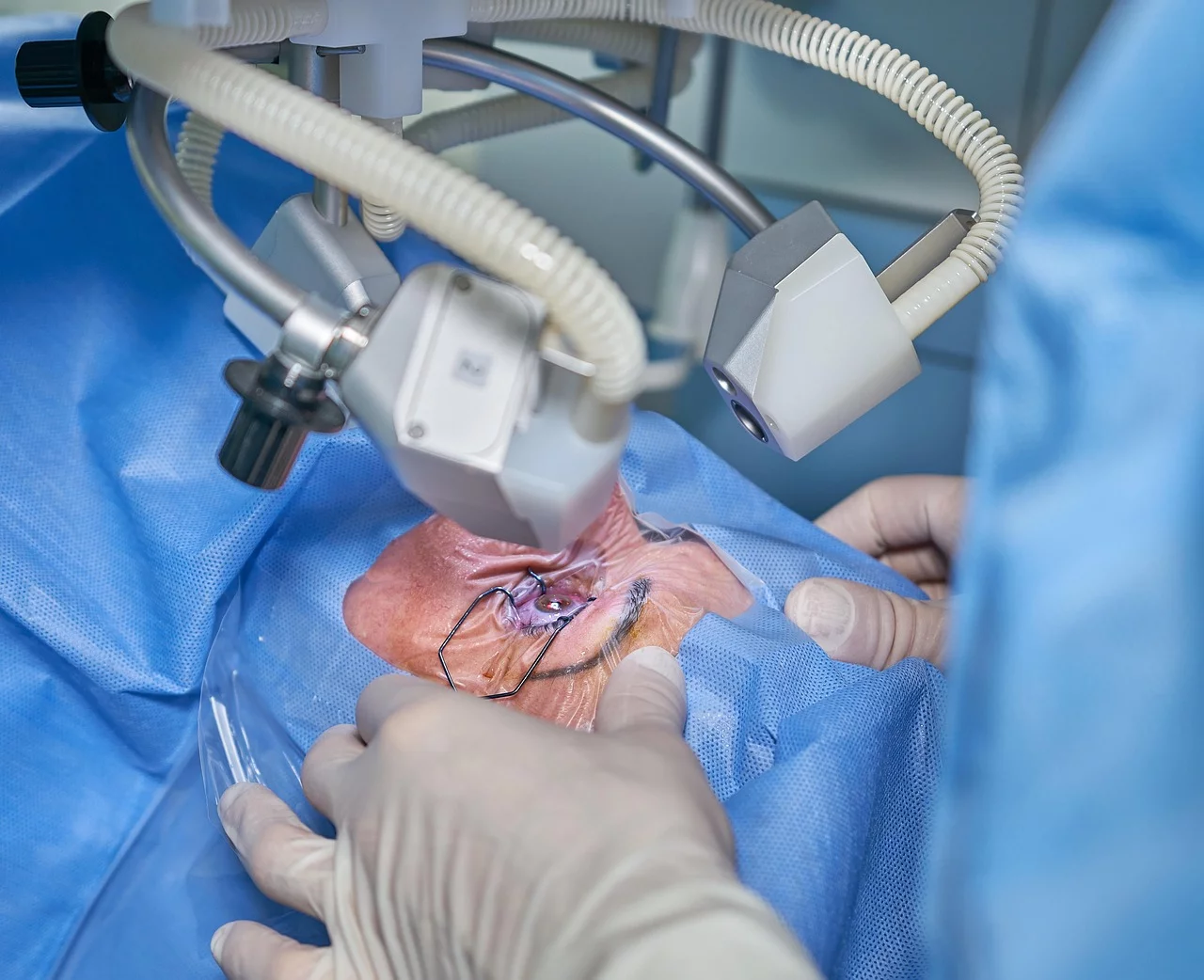

Laser cataract surgery uses a femtosecond laser to perform selected steps of cataract removal with image-guided planning. Traditional cataract surgery remains widely used, but laser-guided methods add digital mapping and automated incisions to parts of the procedure. Although lasers improve precision, surgeons evaluate each patient before choosing a surgical method. Here is some information about the future of cataract surgery:
Robot-Assisted Surgery
Current laser systems use advanced imaging to map the eye before treatment begins. Future platforms may pair this imaging with robotic guidance that helps standardize certain steps, such as corneal incisions, lens capsule openings, and lens fragmentation. Even with robot-assisted procedures, the surgeon remains in control; they don’t replace medical judgment, eye measurements, or intraoperative decision-making. Instead, they support repeatable movements and detailed planning based on each eye’s shape, lens density, and corneal structure.
Digital planning may also become more connected. Preoperative measurements, surgical settings, and postoperative results should be stored in one system, and this integration improves consistency across procedures. As data collection increases, surgeons refine treatment patterns over time and compare planned steps with actual outcomes.
This does not mean every patient will be treated the same way. Cataracts vary by size, density, and location, and eye conditions also affect planning. Future robot-assisted systems are expected to help organize these details so that the surgeon has more information during each stage of care.
Improved Intraocular Lenses
Improved intraocular lenses (IOLs) are another key part of the future of cataract surgery. During cataract surgery, the cloudy natural lens is removed and replaced with an artificial lens. Lens choice affects postoperative vision, so measurements and patient goals matter during planning. Today’s lens options include:
- Monofocal: These focus at one main distance.
- Toric: These address certain types of astigmatism.
- Multifocal: These have multiple focusing points to help with vision at different distances.
- Extended-depth-of-focus lenses: These lenses provide a continuous range of vision, from near to far.
Future IOL development may bring more adjustable and personalized designs. Light-adjustable lenses are a new option, and their optical power can be adjusted after surgery with specialized light treatments. Laser cataract surgery supports these lens advances by improving measurement-based planning, which helps surgeons align surgical steps with the selected IOL.
Faster Recovery Times
Faster recovery is a common goal in laser cataract surgery, but timelines vary from person to person. Laser systems may assist by creating planned incisions and softening the cataract before removal. In some cases, this helps reduce the amount of ultrasound energy used during the procedure. Limiting stress on surrounding eye tissues can support smoother healing and less postoperative inflammation.
Recovery will likely become more data-driven. Patients may receive more detailed postoperative instructions because clinicians can track intraocular pressure, corneal swelling, and inflammation over time. Digital check-ins and remote symptom reporting help care teams monitor recovery, and they also determine when in-office visits are necessary.
Schedule Laser Cataract Surgery
Laser cataract surgery is moving toward more precise planning, more advanced lens options, and more personalized recovery tracking. Robot-assisted tools and improved intraocular lenses may all play a larger role in future care. Complete cataract evaluation with an eye surgeon who offers clear guidance based on your exam results. To learn whether cataract surgery fits your needs, schedule a consultation with an eye doctor today.