
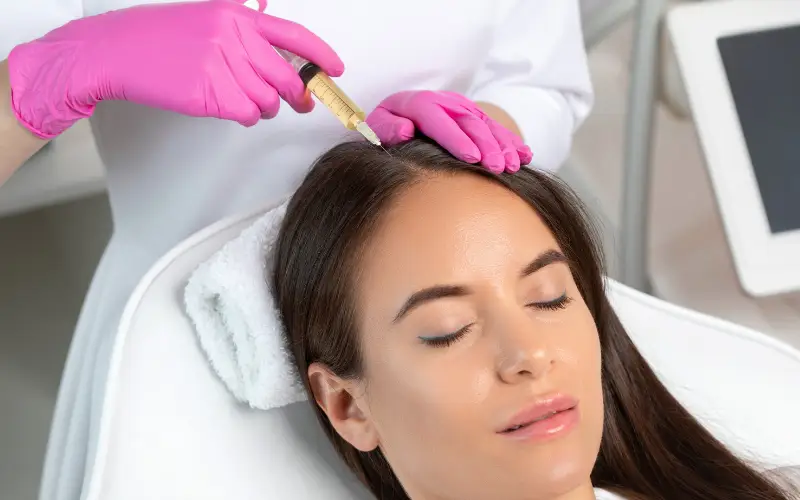

Platelet-rich plasma, or PRP, is a treatment approach within the field of regenerative medicine. This therapeutic technique utilizes specific components of a patient’s own blood to facilitate tissue repair and recovery. PRP therapy offers a structured method to address joint pain, tendon injuries, and postoperative recovery and utilizes the body’s natural capacity to heal itself.
What Is PRP?
PRP therapy is a specialized medical procedure that concentrates platelets from a standard blood draw. Platelets circulate throughout the bloodstream and contain powerful proteins called growth factors. These proteins are naturally responsible for repairing damaged tissue, such as when you sustain a wound.
What Is It Used For?
Medical providers utilize this regenerative treatment for a diverse range of musculoskeletal conditions. The injected fluid brings concentrated growth factors directly to damaged tissues, so it applies to various types of physical trauma and chronic degradation. Sports injuries, such as severe muscle strains and ligament ruptures, are potential reasons for pursuing this therapy.
Individuals experiencing chronic joint pain or arthritic conditions can receive these injections to help manage their persistent symptoms. The therapy is frequently applied to weight-bearing joints, including the feet and ankles. Specific conditions like plantar fasciitis and Achilles tendinitis are common targets for this intervention. Medical professionals also use this method to support postoperative healing. Following surgery, delivering a concentrated dose of growth factors to the surgical site can promote cellular turnover. This application assists the body in minimizing prolonged inflammation and helps facilitate a steady recovery timeline.
What Should You Expect?
During a typical session, a medical professional draws a small volume of blood. This sample is immediately placed inside a centrifuge. The centrifuge spins the blood sample at a rapid rate and forces the cellular components to separate. This isolates the platelet-rich plasma from other blood components like red and white blood cells. The resulting concentrated fluid is packed with healing growth factors, which a physician then injects directly into the targeted area.
Following the treatment, patients may experience localized inflammation for the first week or two. Symptom relief is a gradual and progressive process. Patients may observe a steady decrease in their initial discomfort starting roughly two to three weeks after the session. Tissue remodeling continues beneath the surface long after the injection; this means that the full physiological benefits can take a few months to materialize.
For complex injuries, severe tendon tears, or chronic arthritic conditions, a single injection might not provide complete resolution. A physician can advise a patient to receive a series of separate sessions. These subsequent appointments are usually spaced approximately one month apart; this allows treatment to align with the natural tissue healing cycle.
Seek Professional Regenerative Medicine Services
Navigating the landscape of orthopedic care requires specialized medical guidance, such as a podiatrist for foot or ankle-related pain. Selecting a physician and attending an initial evaluation is what leads to accurately identifying the precise root cause of your pain or mobility limitations. A thorough medical consultation will determine if regenerative techniques align with your specific diagnosis and overall medical history.