

Young athletes rely on their upper body for physical activities, and repeated stress or acute injuries during games can affect the integrity of the shoulder joint. Medical professionals may evaluate young patients for various conditions affecting mobility. One condition that appears in sports medicine clinics is shoulder instability, which directly affects the alignment of the upper arm and surrounding structures.
What Is Shoulder Instability?
The human shoulder operates as a ball-and-socket mechanism; the top portion of the upper arm bone, the humerus, rests inside a shallow socket called the glenoid. This shallow design allows for a wide range of motion. When forceful impacts or sudden falls occur, the humerus can be pushed completely outside of its standard position. This sudden displacement is referred to as a dislocation. After the initial dislocation, the ligaments and soft tissues holding the joint together may not recover their original tightness. Athletes dealing with this structural issue face an elevated risk of subsequent dislocations during physical exertion.
How Is It Identified?
Athletes with this condition usually experience specific physical changes in the affected area. Pain following a distinct injury is a primary indicator that damage has occurred. Many individuals report a sensation that the joint is slipping out of place during routine athletic movements. Repeated instances of the joint giving out entirely or fully dislocating are clear signs of a structural problem. As the condition progresses without intervention, patients can struggle with basic movements. They might find themselves unable to lift their arms overhead or perform routine tasks that require arm movement.
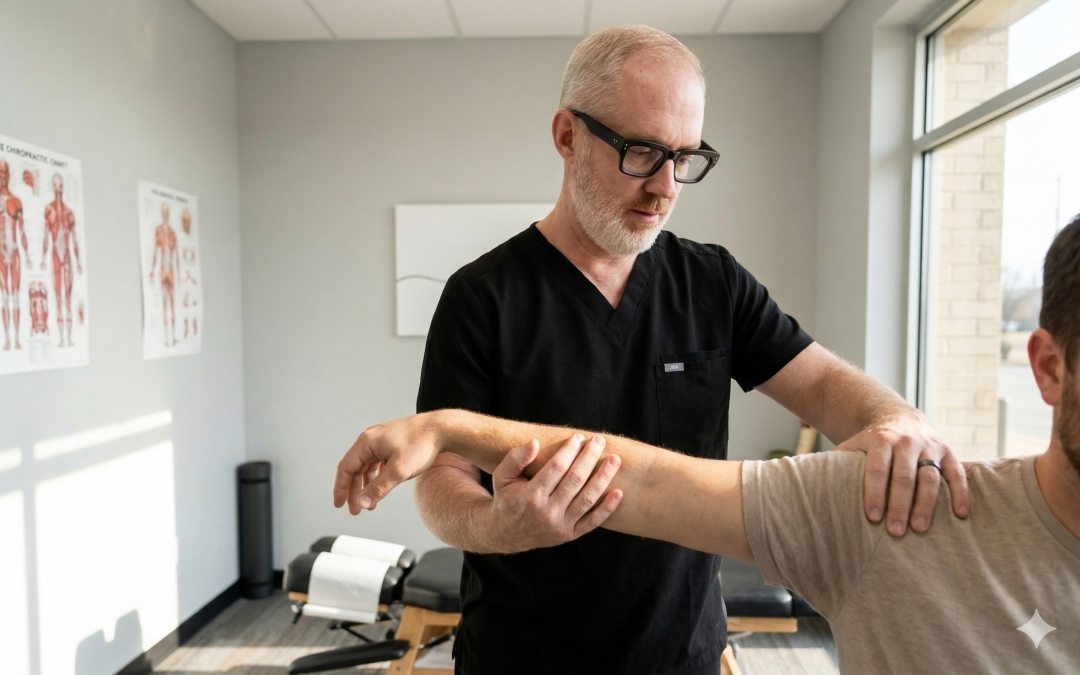
To diagnose the underlying issue, medical professionals begin with a thorough review of the patient’s medical history. A physician will want to learn about the exact onset of the pain and ask about the specific actions that cause discomfort. A comprehensive physical examination typically follows. The doctor inspects the upper back and shoulder area for visible signs of trauma like swelling, bruising, or redness. The examiner gently applies pressure to various parts of the anatomy to locate highly sensitive areas. Testing the patient’s muscular strength and overall range of motion provides additional diagnostic clues. Physicians may order X-ray imaging to view the internal bone structures and evaluate the full extent of the damage.
How Is It Treated?
Sports medicine specialists utilize multiple approaches to address this condition and restore function. Initial treatment plans may focus on conservative methods. Physicians can recommend over-the-counter pain medications and suggest modifying activity to manage immediate physical discomfort. Physical therapy serves as a common component of conservative care. A physical therapist will assign targeted exercises, which are designed to build strength in the muscles immediately surrounding the joint.
If conservative methods fail to resolve the pain, or if the joint continues to dislocate regularly, orthopedic surgery becomes a logical next step. During the operation, the surgical team repairs the torn or stretched soft tissues and tighten the joint capsule to keep the upper arm bone securely within the socket. Post-surgical recovery requires the patient to wear a specialized sling to immobilize the area. Following this period, the patient transitions into a structured physical therapy program.
Consult a Sports Medicine Specialist
Addressing joint issues promptly can prevent further degradation of the surrounding bone and tissue. Young athletes experiencing pain or persistent looseness in their upper extremities should seek a thorough evaluation from a medical provider. An orthopedic specialist has the expertise required to accurately assess joint function and recommend appropriate medical interventions. Proper medical guidance facilitates a safer return to athletic activities, helping you maintain long-term joint health.