
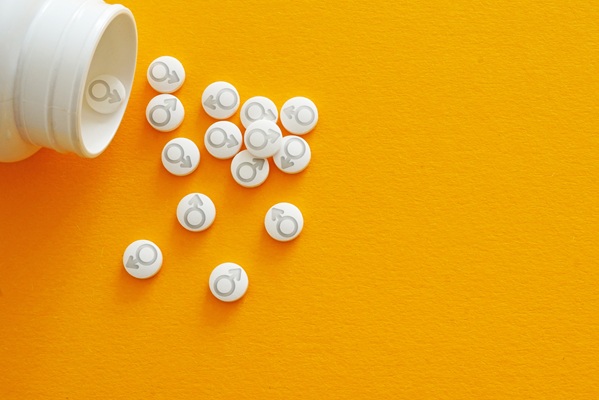

Hormone replacement therapy (HRT) uses prescribed hormones to address low or shifting hormone levels. It supports people during menopause, perimenopause, or testosterone decline, and treatment plans vary by age, symptoms, and health history. Since hormones affect many body systems, changes in hormone levels may alter energy, sleep, mood, and bone health. This is how this type of therapy can help improve the quality of life:
Increased Energy
Low hormone levels typically affect stamina, and many people notice slower recovery during daily tasks. You may feel worn down. When estrogen or testosterone drops, the body regulates metabolism, muscle function, and mental focus less efficiently.
Energy changes may show up in small ways, but they add up across the day. Common signs include:
- Mid-day fatigue
- Reduced exercise tolerance
- Slower mental focus
A clinician reviews symptoms and lab data, and that process helps match hormone replacement therapy treatment to the person. Some people report steadier daily function. If hormone levels improve within a safe target range, routine activities may feel less taxing.
Relieved Symptoms
Hormone shifts often produce symptoms that interfere with normal routines, and the effects may change from week to week. Hot flashes, night sweats, vaginal dryness, and low libido are typical. Since these symptoms disrupt comfort and concentration, they may reduce work performance and social ease.
Symptom patterns differ by person, but many follow a clear trend over time. You may notice:
- Sudden heat episodes
- Disrupted sleep from sweating
- Persistent discomfort during sex
Clinicians assess symptom severity, and they also review personal risk factors before treatment starts. Some symptoms ease with dose adjustments. When treatment is monitored closely, the plan stays aligned with current needs.
Improved Sleep Quality
Sleep often declines during hormone changes, and poor rest affects memory, mood, and physical recovery. Many people wake often. Because night sweats and temperature shifts interrupt sleep cycles, the brain may spend less time in deep sleep.
A sleep problem may start gradually, but its effects often spread into the next day. Lower patience is common. If interrupted sleep continues for weeks, concentration and reaction time may decline.
Doctors may pair HRT with sleep hygiene steps, and that approach gives a broader plan for care. A patient might be asked to track bedtime, waking, and symptom timing. When patterns are documented, treatment decisions become more precise.
Preserved Bone Density
Estrogen helps maintain bone remodeling, and lower levels often speed bone loss. Bone density is a significant health factor. Since bone thinning develops quietly, many people do not notice a problem until a fracture occurs.
Risk may rise with age, family history, and long periods of low hormone exposure. Some bone loss is measurable on scans. If a clinician identifies early decline, treatment options may include HRT, exercise, calcium intake, and vitamin D.
Schedule Hormone Replacement Therapy
HRT does not fit every person, and treatment starts with an individual medical review. Ask about symptom patterns, lab testing, and risks. If low hormone levels affect your daily life, schedule an appointment to discuss whether hormone replacement therapy fits your care plan.