
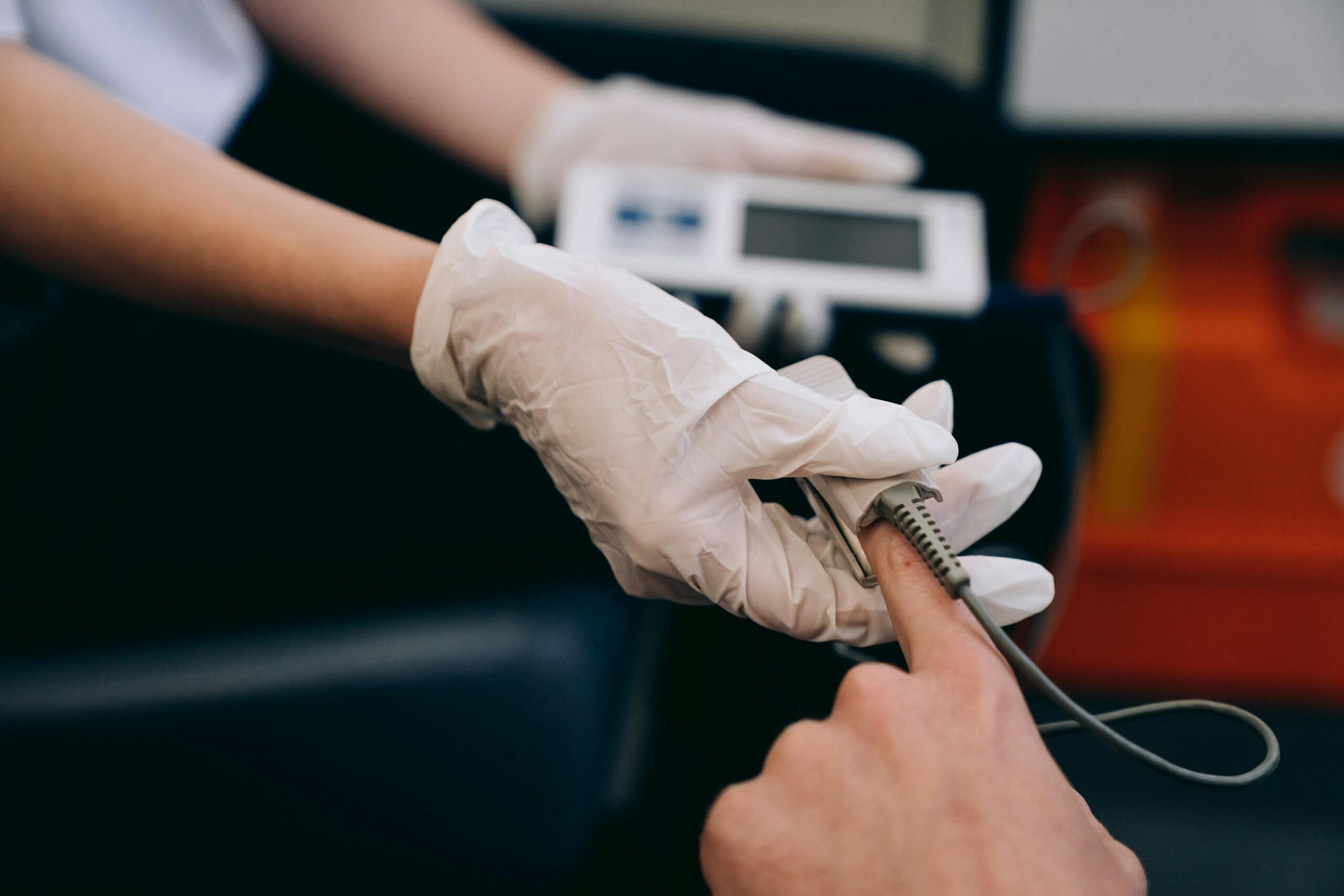

A routine clinical physical exam provides a baseline understanding of a patient’s overall health. Physicians evaluate multiple body systems during this standard medical visit, and they document any noticeable deviations from previous health records. Because medical professionals require accurate diagnostic data, they review their patients’ symptoms alongside family health history. When doctors establish this baseline early, they are able to track long-term health over the course of an individual’s life.
Monitoring Vital Signs
At a physical exam, clinical staff measure blood pressure, and they record the patient’s heart rate to establish cardiovascular stability. If these preliminary cardiovascular metrics fall outside standard ranges, the physician may order secondary readings before proceeding with the assessment. A thermometer captures the individual’s core body temperature. Respiratory rates offer additional clues about lung function, so attending nurses may observe chest movements during this measurement period.
Examining Physical Health
After the preliminary assessments conclude, the medical practitioner often conducts a visual and tactile inspection of the patient’s body. The doctor usually palpates the abdomen to detect organ enlargement, tenderness, or fluid accumulation within the cavity. A lighted tool allows the physician to view the inner structures of the ears, eyes, and nose. The patient’s lymph nodes are also often examined to identify potential infections or other underlying pathological abnormalities.
An additional portion of the physical assessment tests reflexes, general muscle strength, and basic spatial coordination throughout the limbs. When the doctor strikes the tendon near the knee with a rubber reflex hammer, the lower leg response demonstrates the health of nerves within the legs. The practitioner often listens to the heart and lungs, and this evaluation detects irregular heart rhythms or abnormal breathing.
Performing Specialized Tests
Certain individuals require additional diagnostic procedures during their routine clinical visits, and the trained medical staff administers these laboratory evaluations based on risk factors. One test, an electrocardiogram, maps the electrical activity of the heart through multiple strategically placed skin electrodes across the chest. Because age and gender influenence different clinical testing protocols, older men may regularly undergo prostate evaluations while older women receive preventative pelvic checks.
If a patient possesses a family history of complex metabolic disorders, the physician may order blood panels to quantify baseline glucose and lipid concentrations. Certified phlebotomists can draw vials of blood for complete cell counts, and skilled laboratory technicians analyze these fluid samples to rule out blood disorders like anemia. A routine urinalysis is often requested by the physician to identify subtle kidney function abnormalities or infections early.
Radiological imaging occasionally complements the standard physical examination process for individuals with specific musculoskeletal complaints. Although routine physical checkups do usually include radiological scans, a practicing physician can recommend X-rays to investigate joint pain or suspected deformities. These supplementary diagnostic tests provide a visual representation of internal structures, and they generate data for future clinical comparisons.
Schedule an Annual Physical Exam
An annual physical offers an individual greater understanding of their health markers, and they allow physicians to administer treatment to diseases caught early. Because early detection of abnormalities simplifies disease management and prevents further progression of a disease, these appointments should be prioritized. The baseline health data also aids in monitoring an individual’s health. Contact a medical clinic to schedule a physical exam.