
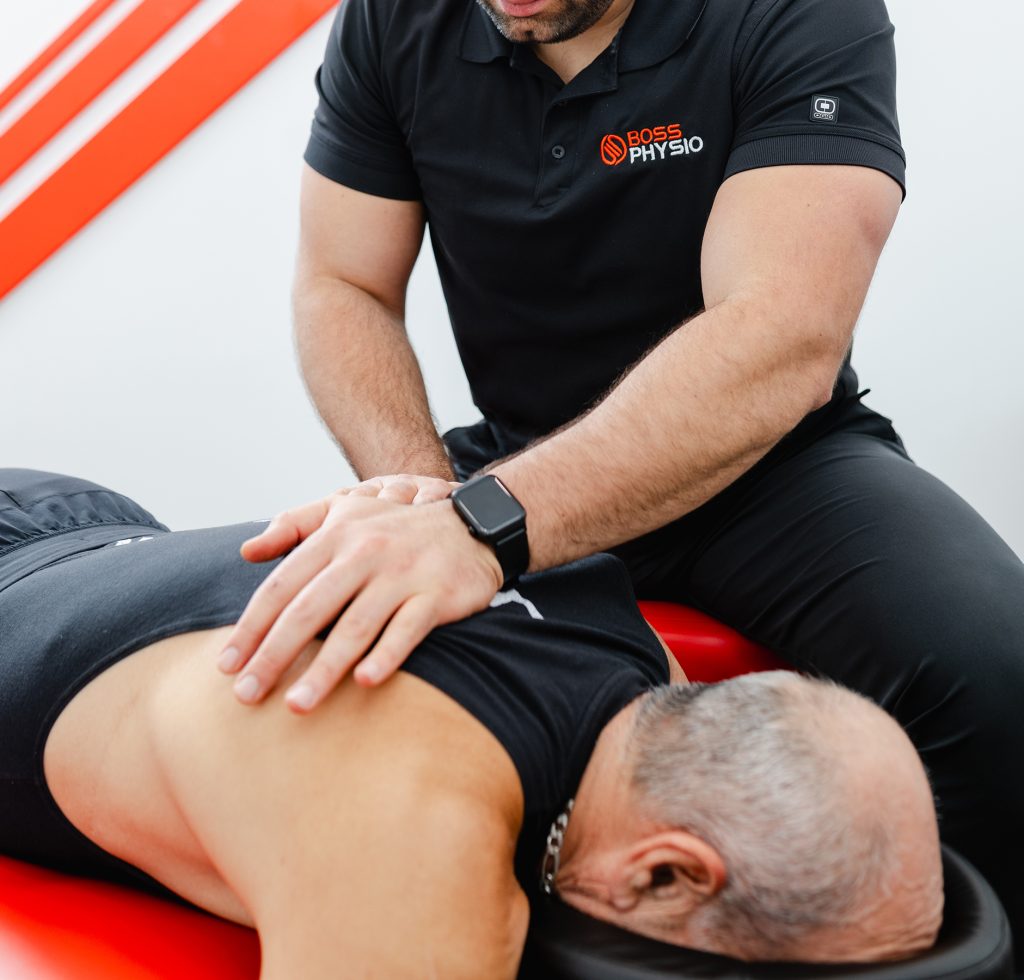

Physical therapy plays a significant role in recovery after joint replacement surgery by helping patients rebuild strength, improve mobility, and restore daily function. A guided therapy plan may also support pain management and safer movement during the healing process. Here are some key benefits of physical therapy after joint replacement surgery:
Supporting Safer Recovery
The initial weeks after surgery present specific risks to a healing joint as the body adjusts to the artificial components. Physical therapy provides a supervised clinical environment where professionals carefully monitor your movements to prevent improper techniques. They teach you how to sit, stand, and walk in specific ways that protect your new joint from undue mechanical stress. A therapist will make sure that you use assistive devices such as walkers, crutches, or canes correctly. This professional guidance is key to minimizing the risk of falls, and it also protects the surgical site during the early healing stages.
Improving Strength and Mobility
Surgery may leave the muscles surrounding the newly placed joint weak, tight, and temporarily deconditioned. Physical therapy incorporates targeted exercises to rebuild lost muscle strength and improve overall physical flexibility. Building this muscular support system is fundamental for stabilizing the new joint as you gradually return to normal activities. Here are ways therapists improve strength and mobility:
- Muscle building: Targeted resistance exercises help strengthen the tissues around the joint, providing better structural support.
- Range of motion: Gentle stretching routines gradually increase the range of motion in the joint, allowing you to bend and straighten it without causing damage.
- Balance training: Specific stabilization drills improve your physical steadiness and help prevent future falls during movement.
These specific exercises work together to restore your functional mobility over several weeks of dedicated practice. Your physical therapist will adjust the intensity of these movements progressively as your body gets stronger.
Managing Pain Better
Experiencing localized discomfort and swelling after a major joint operation is a standard part of the physical healing process. Physical therapy offers non-surgical methods to help manage this pain and reduce joint inflammation. A therapist may use clinical techniques like manual tissue massage or cold therapy to alleviate stiffness in the affected area. These practical strategies are helpful for managing daily discomfort while the body repairs itself.
A physical therapist teaches you how to position your body correctly while resting in bed or sitting in a chair. Elevating the affected limb at specific angles is a fundamental practice for controlling postoperative swelling. They will outline exactly how long you should rest between activity periods, and teach you how to avoid overexerting the healing joint.
Protecting Joint Function
The ultimate objective of a joint replacement is to return the patient to a functional daily routine. Physical therapy provides the educational foundation needed to maintain the structural health of your new joint. Here is how therapists help you protect joint function:
- Gait correction: Therapists help you fix uneven walking patterns that you developed before your surgery occurred.
- Activity modification: You learn safe and modified ways to participate in your preferred recreational hobbies and domestic tasks.
- Home exercise programming: Professionals design an independent maintenance routine for you to continue after your formal sessions conclude.
Practicing these physical habits daily is key to maximizing the lifespan of your artificial joint. The specific movement strategies learned during therapy become a permanent part of your daily motor patterns.
Book Your Physical Therapy Appointment
Recovering from joint replacement surgery requires a structured and consistent approach to physical healing. Physical therapy provides the fundamental tools needed to improve muscular strength, manage localized pain, and support long-term joint function. A dedicated therapist will help you navigate each specific phase of recovery with precise and targeted techniques. Contact a reputable orthopedic clinic near you to book your physical therapy appointment today.