
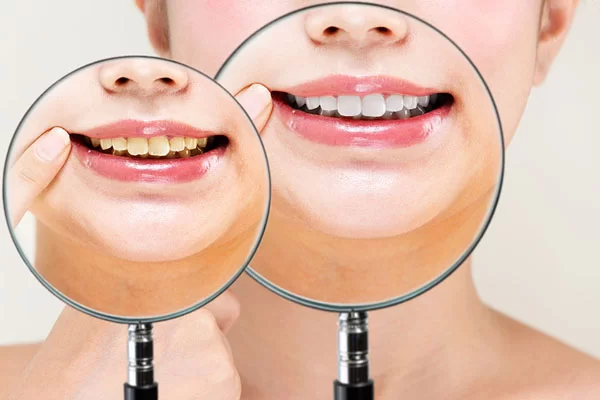

Individuals may notice changes in the color of their teeth over time, even with diligent daily brushing and flossing routines. Dental professionals provide personalized options to address these variations in tooth shade. Custom teeth whitening offers a targeted approach to managing dental stains based on specific patient profiles, and a clinical assessment helps determine appropriate methods for modifying tooth coloration safely. By evaluating individual circumstances, dental providers can select appropriate materials and application techniques to yield optimal results without compromising oral health.
What Causes Tooth Discoloration?
Changes in tooth color happen for various reasons, broadly categorized into extrinsic and intrinsic factors. Extrinsic stains develop on the outer surface of the tooth enamel. These surface-level marks frequently result from dietary habits. Consuming highly pigmented foods and beverages leaves colored deposits on the teeth. Tobacco use also acts as a primary source of exterior discoloration. Plaque and calculus buildup can similarly give teeth a dull or yellow appearance.
Intrinsic stains occur within the inner structure of the tooth. These deeper changes can stem from genetics, natural aging processes, or early exposure to certain antibiotics. As people age, the outer enamel naturally wears down, revealing the yellowish dentin beneath. Dental trauma or physical impact can also lead to internal darkening of a tooth. Excessive fluoride exposure during tooth development, known as fluorosis, is another common source of internal staining. Since every person experiences a different combination of these factors, dental professionals may evaluate the specific origin of the discoloration before recommending a specific whitening approach.
What Is Teeth Whitening?
Teeth whitening refers to cosmetic dental procedures designed to lighten the shade of natural teeth. Unlike over-the-counter products that take a generalized approach, professional whitening is tailored to a patient’s specific dental anatomy and stain profile. The process typically utilizes varying concentrations of bleaching agents, most commonly a form of peroxide. These active ingredients work by penetrating the enamel and help break down the stains.
Not everyone is a candidate for these procedures. Dental providers may not recommend bleaching for pregnant women, individuals under sixteen years of age, or patients with active gum disease. Those with existing tooth decay or hypersensitivity must receive restorative care before pursuing cosmetic enhancements. Severe intrinsic stains may not respond well to bleaching agents, prompting dentists to suggest alternative treatments like dental bonding or porcelain veneers to correct the discoloration.
What Does Whitening Involve?
Professional whitening treatments generally fall into two main categories: in-office procedures and supervised take-home systems. During an in-office appointment, a dental professional applies a concentrated bleaching gel directly to the teeth. A specialized light can accompany this application to activate the whitening agent. The entire process takes approximately one hour and produces immediate changes in the shade of the teeth. Take-home systems provide an alternative for individuals seeking a more gradual change in the privacy of their own residences. The patient receives tailored trays along with a specific concentration of whitening gel. The dental provider supplies instructions regarding the duration and frequency of wear.
Speak Further With a Dentist
Maintaining one’s smile requires ongoing attention to daily oral hygiene and regular professional cleanings. Individuals seeking to modify the appearance of their teeth should speak directly with a dental provider. A thorough clinical examination can identify the underlying cause of any discoloration and confirm whether whitening is an appropriate step. Dental professionals guide patients through the available choices, taking individual oral health histories into account. By consulting a certified practitioner, patients receive accurate information regarding their specific cosmetic options.