
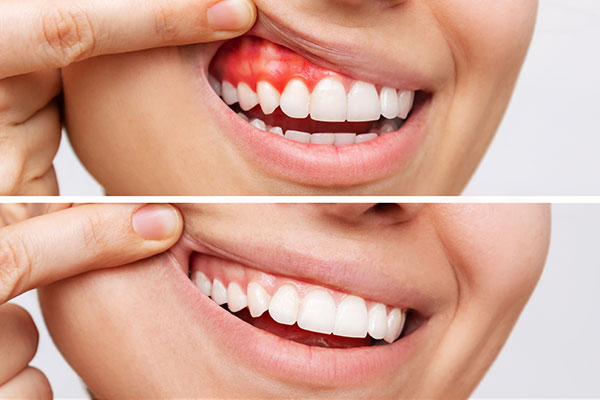

Periodontal disease affects the gums and the bone structures that support the teeth. When plaque and tartar accumulate, bacterial infections cause inflammation that damages these tissues over time. Dentists recommend specialized interventions to halt this progression, and periodontal treatments help restore oral health.
Periodontal treatments are specialized clinical procedures designed to treat gum disease and restore oral health, and methods typically include scaling, root planing, and laser gum therapy. Regular interventions offer long-term benefits like preventing tooth loss, reducing systemic inflammation, and preserving the underlying jawbone. Understanding the available procedures helps patients make informed decisions about their dental care. Here is more information on the clinical processes used to treat varying stages of gum disease:
What Are Periodontal Treatments?
Periodontal treatments encompass various clinical procedures, and they aim to manage infections in the gums and bone. Dental professionals use these methods to clean pockets of bacteria that form around the teeth. Regular brushing cannot reach these deep spaces, so clinical intervention is necessary to prevent the infection from spreading.
These therapies range from non-surgical deep cleaning to advanced laser procedures. A periodontist assesses the patient’s specific condition before recommending a protocol, which offers a targeted approach. These treatments stabilize the mouth’s foundation, and they address the root cause of the infection.
Why Are They Conducted?
Plaque hardens into calculus over time, and this buildup irritates the surrounding gum tissue. Chronic irritation causes the gums to pull away from the teeth. When this separation occurs, it creates deep pockets where bacteria thrive and multiply.
Left untreated, periodontal disease destroys the supporting bone structure of the teeth. As the bone recedes, teeth become loose, and they may eventually require extraction. Timely clinical intervention halts this destructive process, and it preserves the patient’s natural teeth.
What Do They Involve?
A dental professional assesses the severity of the infection, and then they select specific techniques. The chosen approach addresses the depth of the periodontal pockets and the extent of bone loss. Common therapies include both traditional mechanical cleaning and advanced technological applications, which help improve oral health.
Scaling is a non-surgical procedure in which clinicians scrape calculus from the tooth surface. Following this step, root planing smooths the tooth roots, and this discourages further bacterial attachment. These two methods work together to create a clean environment that promotes tissue recovery.
Laser gum treatment is a modern alternative that precisely targets and removes diseased tissue. The laser energy vaporizes the infected areas while leaving the healthy gums intact. This minimally invasive option reduces bleeding, and it may accelerate the postoperative healing phase.
What Are the Long-term Benefits?
Consistent periodontal maintenance offers several long-term benefits for oral and systemic health. These benefits include:
- Prevents tooth loss: By maintaining strong bone support and healthy gums, regular treatments provide a stable foundation for teeth.
- Reduces chronic inflammation: Managing gum disease helps control systemic inflammation, which is linked to conditions like cardiovascular disease and diabetes.
- Decreases the need for future surgeries: Preventive maintenance may reduce the need for complex procedures, such as tooth replacement.
These benefits make ongoing care a key component of overall wellness.
Seek Treatment Now
Periodontal treatments provide clinical interventions that halt gum disease and protect your overall health. Addressing these infections promptly preserves your natural teeth, and it may prevent severe bone loss. Contact a local periodontist today to schedule a comprehensive evaluation of your gums.