
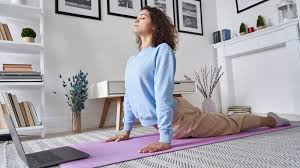

Lifestyle modifications can help reduce back pain and improve daily function. Adjusting daily habits may decrease strain on the spine and support overall comfort. Targeted exercises strengthen core muscles, which support spinal stability and movement. Combining ergonomic improvements with medical care helps manage chronic discomfort and improve mobility over time. Here are a few lifestyle modifications that can help with pain management:
Improving your posture
Improving posture plays a key role in pain management of the spine. Extended periods of sitting can contribute to poor alignment and increased stress on the lower back. Maintaining proper posture helps keep the spine in a neutral position. This alignment reduces unnecessary pressure on surrounding muscles and joints.
Ergonomic seating options are often used to support spinal positioning during daily activities. Chairs designed with lumbar support help maintain the natural curve of the lower back. Standing desks provide an alternative that reduces continuous sitting time. These adjustments can help limit muscle tension and support overall spinal health.
Strengthening your core
Strengthening the core helps support the spine and maintain proper alignment during movement. Weak abdominal muscles may reduce spinal stability and increase strain on the lower back. This lack of support often contributes to a higher risk of back injuries over time.
Core exercises are commonly used to improve abdominal and back muscle strength. Regular training helps reinforce the muscles that surround and support the spine. This added stability may reduce the likelihood of conditions such as herniated discs.
Yoga is also used to improve flexibility and spinal mobility. Controlled stretching and movement help support better posture and range of motion. These practices work together to support overall spinal function and physical stability.
Losing excess weight
Losing excess weight helps reduce pressure on the spinal discs. Extra body weight increases compression on the lower back and may contribute to discomfort. A balanced diet supports gradual weight reduction and often helps lessen joint strain over time. This process may also support improved spinal function and mobility.
Low-impact activities are often recommended to support calorie burning without placing stress on the spine. Swimming provides an effective cardiovascular workout while minimizing impact on the joints and back. These exercises help support weight management while protecting spinal structures. Consistent activity combined with healthy nutrition supports long-term back health.
Seeking pain management
Seeking pain management is often necessary when back conditions become more severe. Radiculopathy occurs when spinal nerves are compressed, leading to significant pain and related symptoms. While lifestyle changes may help with mild discomfort, more advanced cases often require medical evaluation and treatment. Providers often use options such as steroid injections or nerve blocks to reduce inflammation and manage nerve-related pain.
Schedule your appointment today
Even though back pain can disrupt daily life, multiple treatment options are available under medical supervision. Healthcare providers evaluate symptoms and recommend targeted therapies based on the underlying cause. Epidural steroid injections may help reduce inflammation around irritated nerves, while nerve blocks often temporarily interrupt pain signals. Schedule a medical evaluation today to explore appropriate treatment options.