
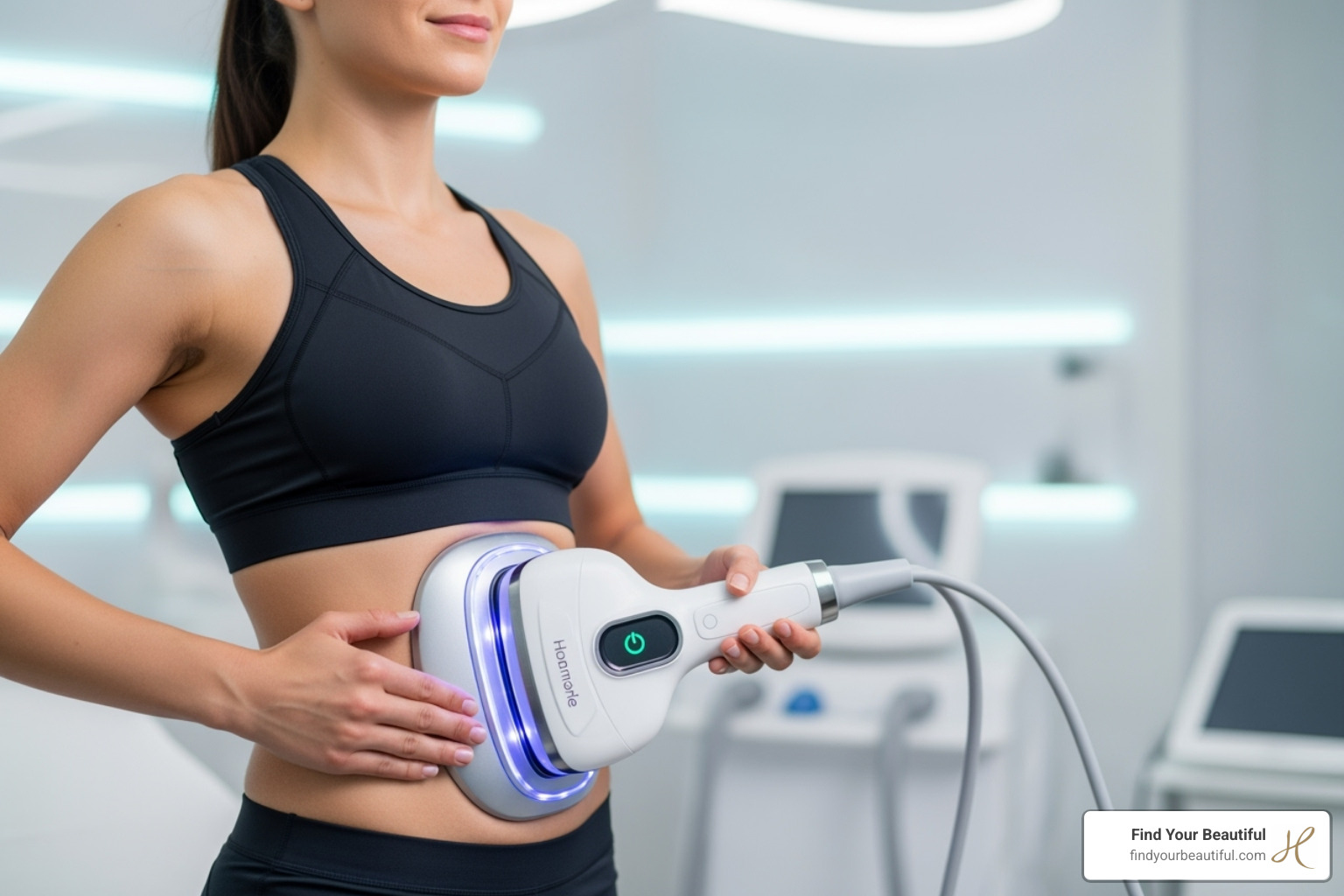

Body contouring surgically alters the physical shape by removing excess skin and fat. This process addresses structural changes, helping patients who have experienced massive weight loss achieve a more proportionate appearance. Standard procedures include liposuction and thigh lifts, and each requires a specific clinical evaluation. Here is more information on the different technqiues available:
What Is Body Contouring?
Body contouring is a surgical specialty focused on removing excess sagging skin and underlying fat. Surgeons perform these operations to improve the shape of the underlying support tissue, and this yields a more proportionate appearance. When patients undergo these surgeries, they receive targeted alterations to specific physical zones.
The procedures are not primary weight-loss methods. Surgeons use them to refine physical contours, and the patient stabilizes their target weight beforehand. The skin loses its elasticity during significant expansion, so surgical excision is a valuable corrective measure.
Who Does It Help?
Ideal candidates are adults who have achieved significant weight reduction. Individuals are to maintain a stable weight prior to the operation. While contouring improves body shape, the incisions inevitably leave marks on the skin. Medical professionals may discuss these factors during initial consultations, and this dialogue builds an understanding of the recovery process.
What Are the Different Techniques?
Surgeons utilize multiple specialized operations to address different anatomical regions. The specific surgical plan depends on the patient’s unique anatomy, and the doctor selects techniques based on tissue volume. When patients present with widespread skin laxity, surgeons may combine several methods, including:
- Liposuction: A procedure that removes isolated fat deposits to refine the physical shape.
- Thigh lift: A surgical method that targets the inner or outer thighs to remove sagging tissue.
- Brachioplasty: A technique designed to reduce excess skin and fat located on the upper arms.
- Standard abdominoplasty: An operation that flattens the abdomen by removing extra fat and skin while tightening the muscle wall.
- Circumferential abdominoplasty: A comprehensive procedure that treats the abdomen, flanks, and lower back simultaneously.
What Does the Process Involve?
The surgical process begins with a comprehensive medical evaluation and a detailed physical examination. Doctors review the patient’s medical history, and they conduct lab tests to confirm surgical readiness. These operations require general anesthesia, so preoperative medical clearance is mandatory.
During the operation, surgeons make precise incisions to remove the targeted skin and fat. They carefully reposition the remaining tissue and close the incisions with specialized medical sutures. Patients then move to a recovery area, and medical staff regularly monitor their vital signs.
The recovery phase involves specific postoperative care instructions and scheduled follow-up appointments. Patients may wear compression garments, and these garments minimize swelling and support the new contours. Although initial healing takes a few weeks, complete tissue settling requires several months.
What Are the Benefits?
These surgical techniques provide noticeable improvements in the patient’s physical shape, and they help them achieve a more proportional appearance. Removing excess skin may alleviate physical discomfort. It also helps prevent chafing or recurrent skin infections. When patients recover fully, they may report an enhanced ability to perform physical exercises.
The resulting physical comfort facilitates a more active lifestyle. The removed skin and fat cells do not return, but the natural aging process will continue over time. If the patient maintains a stable body weight, the physical alterations yield long-lasting results.
Consult a Surgeon Today
Body contouring offers a clinical solution for individuals dealing with excess tissue after weight loss. You must discuss your specific anatomical needs with a board-certified professional, as this consultation will clarify your options. Schedule an appointment with a plastic surgeon today so that you can evaluate your eligibility.