
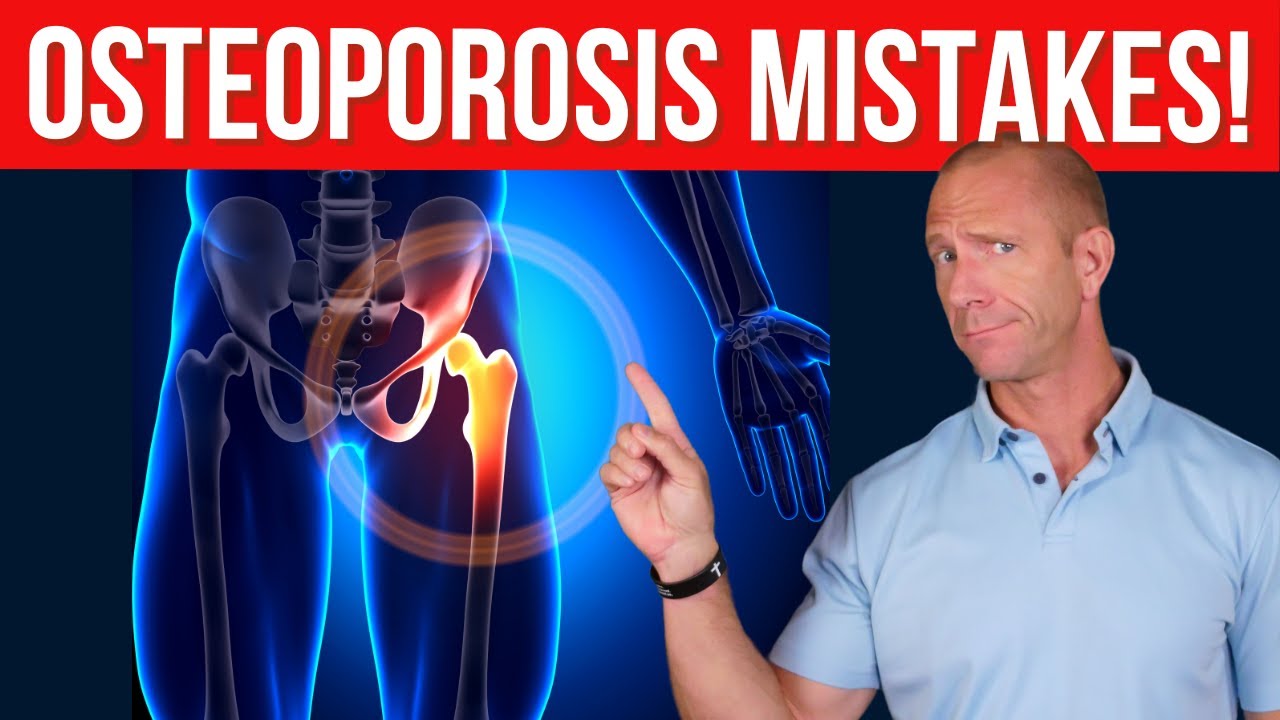

Bone health plays a significant role in mobility, strength, posture, and long-term quality of life. A doctor assesses risk factors, identifies conditions that may weaken bones, and provides guidance on nutrition, lifestyle changes, supplements, and treatment when needed. Here is a closer look at how a doctor can help with bone health:
Reviewing Health History and Risks
During the first visit, the physician gathers details about your family history, and they review your daily habits. If you have previous fractures, your doctor evaluates the circumstances surrounding those injuries. Your medical team looks at the following areas to understand your bone health and risk profile:
- Family background: Genetics play a fundamental role in your physical development, so doctors check if your relatives have had skeletal issues.
- Medication use: Certain drugs can affect calcium levels, so your doctor must review your current prescriptions.
- Lifestyle habits: Diet and exercise levels provide useful insights into your physical baseline.
Doctors use these details to arrive at a clinical assessment. You must provide accurate answers to prevent diagnostic errors and help the medical team plan care accordingly.
Exploring Testing and Diagnosis
Clinical testing provides precise measurements of your bone health and density. Doctors often order a bone density scan; this test uses low-dose radiation to check the strength of your skeleton. When you undergo this procedure, the machine scans your hips and lower spine, and doctors use this information to calculate your risk of fracture.
Blood tests offer helpful insight into your internal chemistry. Laboratories measure your mineral concentrations, and they check your current vitamin levels. If doctors suspect an underlying condition, they order further metabolic panels. Your physician uses these combined results to formulate a clear diagnosis, and this information dictates the subsequent medical approach.
Planning Treatment and Prevention
The doctor explains the available interventions and details the steps required to maintain structural integrity. A doctor may recommend the following strategies to preserve your bone health:
- Dietary modifications: Your physician may suggest specific dietary changes to promote adequate intake of key minerals for skeletal strength.
- Physical therapy: Weight-bearing exercises build mass, and professionals teach safe movement patterns to protect your body.
- Prescription management: Doctors occasionally prescribe medications to slow down tissue loss, which helps stabilize your overall condition.
- Lifestyle changes: Incorporating habits such as quitting smoking, reducing alcohol intake, and getting regular sleep can positively influence bone density and overall bone health.
Targeted strategies can help patients establish a strong defense against age-related decline.
Monitoring Progress
Skeletal preservation requires ongoing observation; doctors schedule periodic follow-up appointments and run comparative tests to track your progress. When a specific intervention stops working, your physician adjusts the protocol. Regular checkups prevent sudden structural decline, and doctors adjust dosages if your lab results change.
A baseline reading serves as a strict comparison point for future tests. A small drop in mass prompts immediate action, and the medical team implements new protective strategies. You must attend these scheduled evaluations to keep your medical profile up to date and protect your long-term mobility.
Schedule Your Bone Health Consultation
A clinical evaluation provides individuals with fundamental information about their physical status. Doctors take detailed histories and run precise diagnostic tests. Once the diagnostic phase is complete, physicians develop strategies to address the individual’s physiological needs. The skeletal system requires active management, so patients must seek professional guidance to protect it, as it degrades naturally over time. Contact a qualified healthcare provider near you to schedule your bone health consultation today.