
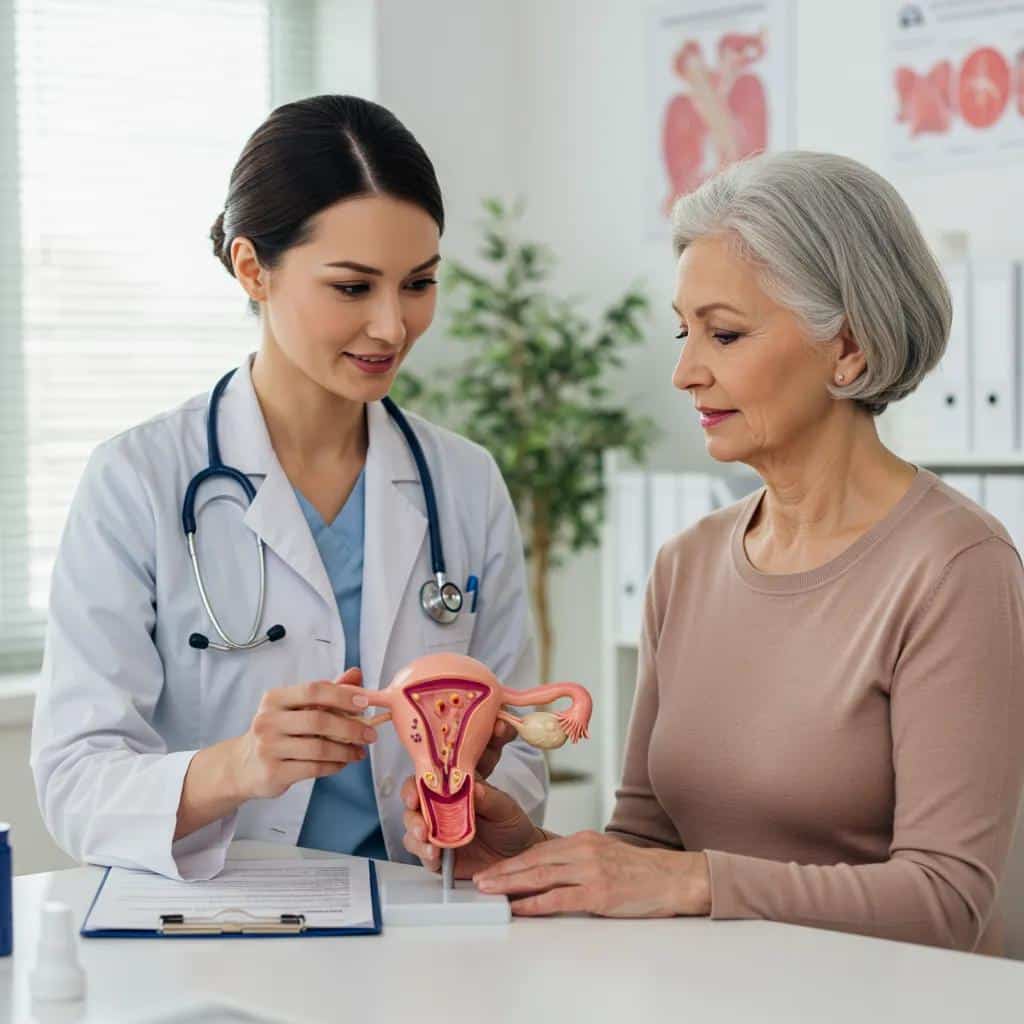

Menopause is the time in a woman’s life when estrogen levels drop significantly, and the female reproductive system changes. It results in the end of monthly menstrual cycles for women. Women typically reach this stage in their early fifties, and the transition can require physical and psychological adjustments. Medical professionals diagnose this condition after a woman has not had a menstrual period for a year.
Typical Symptoms
One symptom of menopause is sudden, severe temperature spikes, and these unpredictable hot flashes disrupt normal daily routines. While some individuals feel only a mild wave of warmth, others experience intense night sweats. These sudden episodes originate from hormonal fluctuations. Since the female body struggles with internal temperature regulation during this time, sleep disturbances frequently follow evening hot flashes.
Psychological manifestations often accompany the physical transformations of menopause. Patients routinely report mood swings, or they describe persistent feelings of anxiety or depression. As estrogen declines, vaginal and urinary tract tissues often lose their natural elasticity and moisture. This localized tissue deterioration causes physical discomfort during routine activities.
Common Treatments
Before patients pursue intensive pharmaceutical interventions, clinical specialists recommend basic lifestyle modifications. A nutritious, properly balanced diet supports stability throughout the transitional phase. Individuals may reduce their caffeine intake, and they limit alcohol consumption to minimize hot flash trigger events. Because physical activity regulates the metabolism, regular exercise can help mitigate unexpected weight gain associated with middle age.
Temperature adjustments at home provide relief during hot flashes. If severe night sweats occur frequently, breathable natural cotton bedding helps to lower resting body temperature while sleeping. Symptomatic women may choose to dress in easily removable thin layers, and they keep fans or other devices nearby for temperature reduction as necessary. Since chronic stress can exacerbate physical discomfort, mindfulness meditation practices give patients practical daily coping mechanisms.
When simple methods of treating symptoms do not produce desired results, a medical practitioner can help individuals find alternatives that work better. Some methods may be available at home already, like ice packs, and others may only be available through a doctor. Sometimes alternatives include medical interventions.
Medical Interventions
When simpler adjustments fail to relieve persistent discomfort, qualified physicians prescribe targeted pharmacological therapies. Standard hormone replacement therapy supplies the body with synthetic estrogen, and this prescription medication addresses the hormone deficit felt by women. Non-hormonal pharmaceutical treatment alternatives exist as well for patients with cardiovascular health constraints or a history of breast cancer. Because certain antidepressants alter brain chemistry, they can reduce the frequency of certain menopausal symptoms.
Other treatments may include laser procedures. These help to stimulate the body’s natural collagen production process, which can help with bladder leaks and vaginal dryness. Since collagen brings elasticity and strength to body tissue, treatments like these often support the body’s methods of keeping the pelvic area healthy.
Treat Your Menopause Symptoms
If you are experiencing the changes that accompany menopause, it is possible to find relief. A physician can help you make decisions about how to handle your symptoms, and lifestyle changes often provide results through simple methods. Contact a women’s clinic to set up an appointment.