
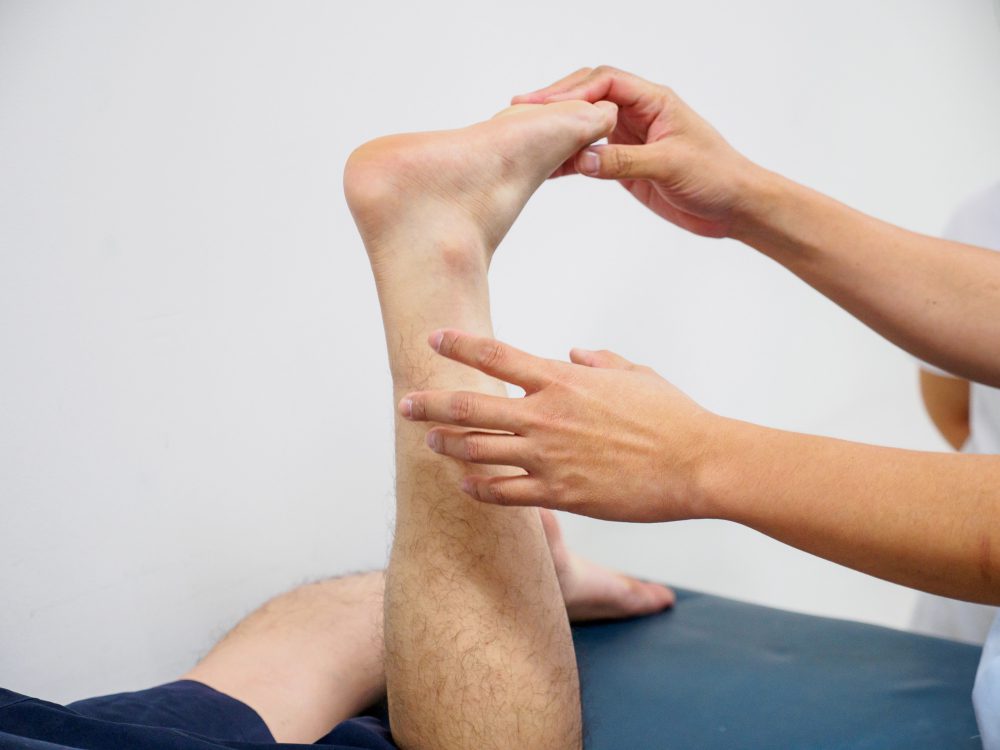

Athletes place repeated stress on their feet, ankles, and lower legs. Small movement issues can build over time, and they sometimes affect training. A podiatry assessment helps identify these issues early, while it also guides treatment choices. You will learn how assessment supports injury detection, movement review, and targeted care.
Accurate Injury Identification
A podiatry assessment helps identify the source of pain. This matters because similar symptoms can come from different conditions. When a podiatrist checks your history, movement, and foot structure, the cause becomes clearer. They also assess when pain starts, which activities increase it, and if training volume has changed. These details help connect symptoms with movement patterns, and they also show whether footwear or surface changes contribute. If pain appears during running but not walking, the assessment can narrow the likely cause. This process also helps separate short-term strain from ongoing problems. This structured review supports earlier identification of overload, and it helps you understand why symptoms persist.
Detailed Biomechanics Analysis
If you have recurring plantar fasciitis or Achilles tendonitis, movement review explains why symptoms return. Biomechanics analysis is useful even when pain seems minor. It can show if the same tissue is overloaded each session or if compensation shifts stress to nearby structures. Some athletes improve with rest, but symptoms return when pace, distance, or intensity increases again. In these cases, the issue may involve force distribution rather than one isolated injury. A podiatrist can identify several patterns during assessment:
- How your foot rolls during impact and push-off
- Whether calf control affects stability and load transfer
- If limited ankle motion increases strain during repeated efforts
- How surfaces, footwear, drills, and workload changes affect symptoms
- Pain during use or rest
These findings help explain why symptoms appear in training, and they may be less noticeable during daily activity. When patterns become clear, training support can become more specific. Some need changes to running volume, footwear selection, warm-up structure, or recovery between sessions.
Targeted Treatment Planning
Assessment findings help shape a treatment plan. This plan should match your sport, symptoms, and training demands. A podiatrist uses assessment results to decide which supports are appropriate and which changes are unnecessary. Findings from biomechanics testing can also guide exercise selection, because weak control in one area increases stress elsewhere. Care should match the cause, and treatments should be focused.
Treatment planning also sometimes includes footwear advice and exercise guidance. A podiatrist may review sole stiffness, heel height, fit, and wear patterns to see how your footwear supports movement. Discuss all of your symptoms. They may suggest a more stable shoe, or they advise changing shoes based on surface, sport, and session length. Exercise guidance often targets strength. If you use orthotics, the plan may explain when to wear them, how to increase use, and when adjustments are needed.
Book a Podiatry Assessment Today
An assessment helps identify conditions, and it guides care. This may include orthotics or sports medicine support. A podiatry assessment gives useful information about pain, movement, and treatment options. Book a podiatry assessment to understand the cause, and plan appropriate care. If you have ongoing foot or lower leg symptoms, an assessment is a practical next step.