
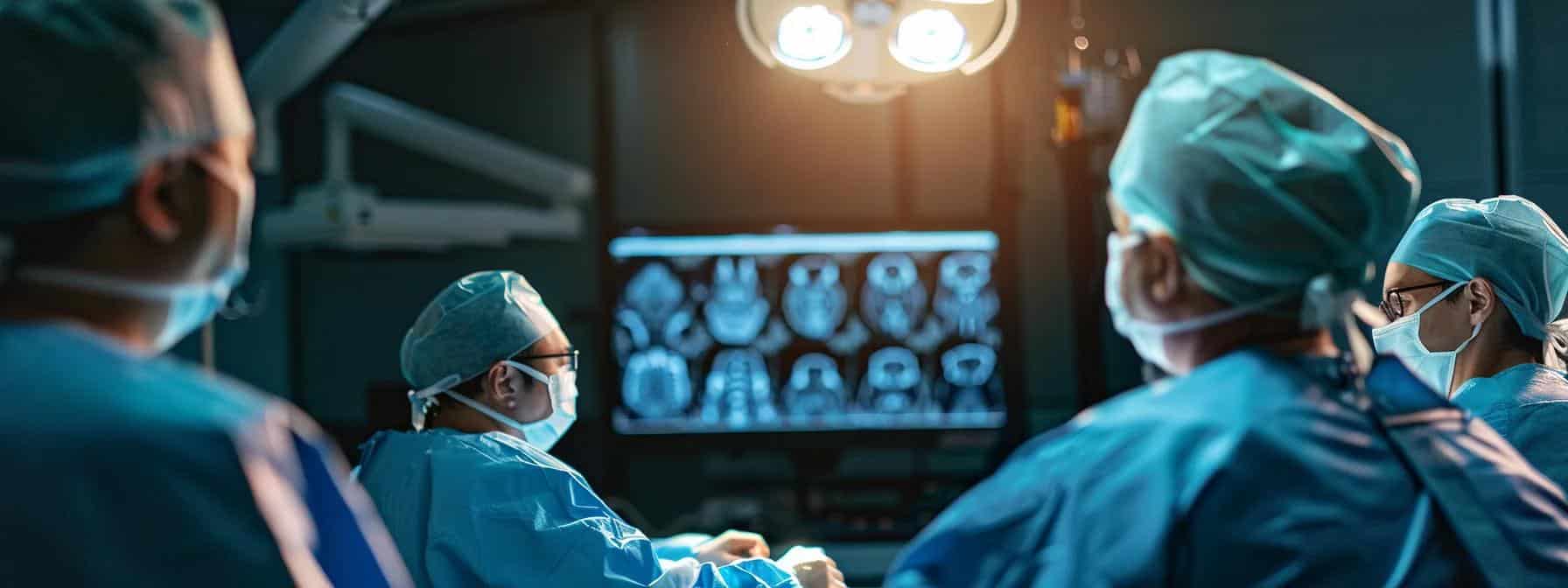

Robotic surgery and laparoscopy use advanced technology to perform medical surgical procedures. Because this kind of technology translates the movement from the surgeon’s hand to precise mechanical movements, patients often require smaller incisions for the same surgery that once required larger surgical spaces to accommodate the size of the surgeon’s hands. The camera monitor provides a clear image of the surgical view, and the robotic arms execute movements from any angle.
Surgery Through Laparoscopy
Laparoscopic techniques and robotic surgery utilize small cameras to visualize the internal organs during a surgical procedure. When surgeons insert the laparoscope through a tiny incision, they avoid large incisions through the skin and muscle tissue. They use carbon dioxide gas to expand the surgical area, and this creates a clear working space for the instruments.
The camera sends live video feeds directly to monitors inside the operating room for surgeons to observe. While the surgical team watches the screens, the primary operator manipulates the specialized tools from outside the patient’s body. The small instruments fit through specialized tubes called trocars, and these tubes protect the surrounding tissue from unnecessary damage.
Surgeons use this minimally invasive approach for various abdominal and pelvic operations. The specialized equipment reduces blood loss and stress during the procedure, so patients often maintain more stable vital signs. Because the physical trauma to the body remains minimal, the physiological stress response decreases significantly.
Discharge From the Hospital
Many patients leave the hospital the same day as their surgery. For certain cases, individuals may remain in the hospital for twenty-four to forty-eight hours after their operation for monitoring. After the medical staff monitors the post-operative recovery, they evaluate the individual for basic functional milestones to make sure they can function once they are home. The nursing team checks the incision sites for signs of infection, and the attending physician reviews the pain management plan for hospital discharge.
A successful discharge requires the patient to tolerate fluids without severe nausea. Because anesthesia affects digestive motility, medical professionals verify the return of normal bowel function before signing release papers. The care team provides detailed written instructions for home care, and the pharmacy dispenses the necessary pain medications. Often, the patient cannot go home alone, so another individual should accompany them and understand the doctor’s instructions for recovery.
Return to Normal Activities
Recovery timelines vary based on the specific type of procedure performed, though this method of surgery often requires significantly less time recovering. The small incisions heal relatively quickly, so patients can typically resume light activity within a week. While individuals should avoid lifting heavy objects for several weeks, they can gradually reintroduce routine daily tasks after about two weeks.
Full physical capacity returns as the internal tissues repair themselves, and some procedures may require a doctor’s approval before returning to all activity. Because the abdominal wall sustains less damage using a laparoscopic approach, the muscle fibers regain do not lose as much strength as traditional surgery. Patients rebuild their stamina through incremental activity, and doctors schedule follow-up appointments to track this physical progression. Follow-up appointments may also include removing dressings and providing more recovery instructions.
Learn More About Robotic Surgery
Advancements in medical techonology allow patients to recover quickly from surgery, and these methods decrease pain and increase tissue stability. If you are in need of surgery, discuss laparoscopic or robotic options for a less invasive experience. Contact a surgical specialist to schedule a consultation.