
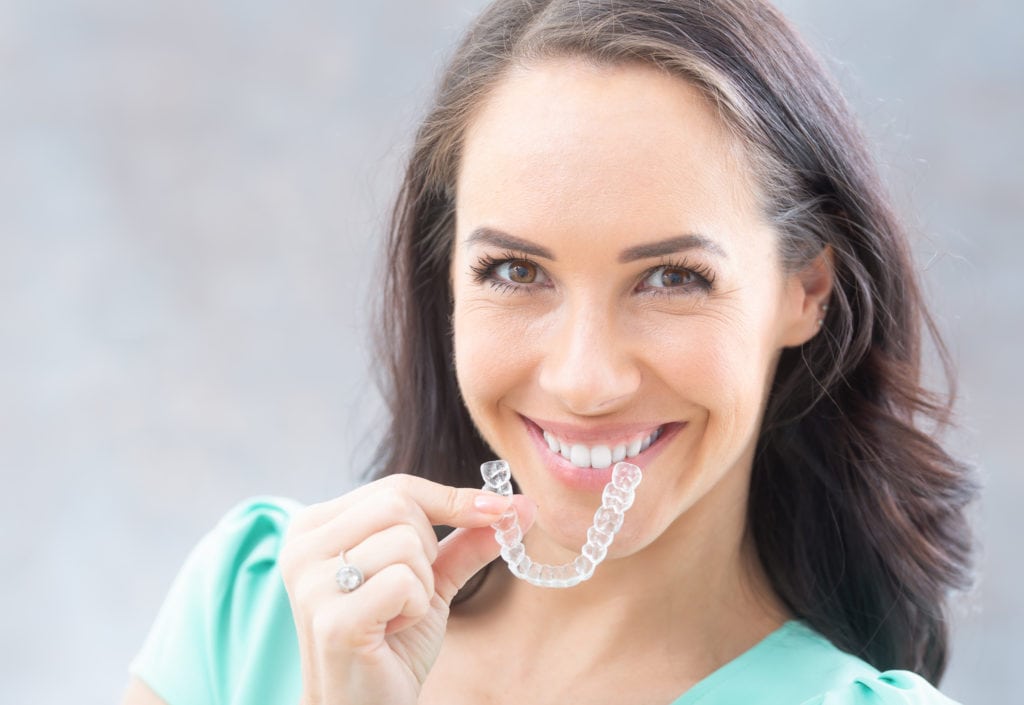

Various treatment methods are available for adult orthodontic care; this includes appliances that are designed to be less noticeable than traditional metal braces. One option is clear or invisible braces. This treatment uses ceramic brackets that blend in more closely with the natural color of the teeth. Here’s information about using invisible braces for adult orthodontic care:
Understanding Invisible Braces
Clear braces work in a similar way to traditional braces. They use brackets that attach to the teeth and connect with a wire to help guide tooth movement over time. The main difference is appearance. Instead of metal-colored brackets, invisible braces use tooth-colored or clear materials; this makes them less visible in day-to-day settings.
Since these braces remain fixed to the teeth, they stay in place throughout the full treatment. This means they do not need to be removed for meals or cleaning. Clear braces offer a structured orthodontic approach that does not depend on remembering to take the appliance in and out during the day.
Choosing Adult Treatment
Adults can seek orthodontic care for spacing, crowding, bite alignment, or other concerns related to tooth position. Invisible braces improve dental alignment while also being discreet in professional or social settings. An orthodontist can review your teeth, bite, and treatment goals before outlining whether these braces are a helpful option. Not every case is the same, and treatment planning depends on the structure of your teeth and the kind of correction being addressed. A consultation gives you a clear starting point and helps you compare clear braces with other fixed-brace options.
Managing Daily Care
Daily care plays a significant role when wearing ceramic braces. Because the brackets and wires stay attached to the teeth, you need to clean around them carefully. Brushing after meals, flossing with the right tools, and following office instructions help keep the appliance and surrounding teeth clean throughout treatment.
Food choices are also key. Hard, sticky, or highly pigmented foods may create challenges for those wearing clear braces. Some items, such as taffy and wine, have the potential to cause damage or staining, so ask your orthodontic office to provide a list of foods to limit.
Planning Office Visits
Ceramic braces require periodic visits with an orthodontic team; this allows for adjustments and progress checks. During these appointments, the orthodontist reviews how the braces are functioning, makes changes to the wire or ties, and tracks how treatment is moving forward. It’s helpful to ask practical questions before treatment begins. You may inquire about appointment frequency, cleaning tools, eating guidelines, and how ceramic braces compare visually with metal braces. Clear information makes planning easier.
Learn More About Invisible Braces
Invisible braces provide adults with a less noticeable alternative to metal brackets. They offer a fixed treatment option, require regular maintenance, and require routine orthodontic visits throughout the process. For many adults, they offer a balance between function and appearance. If you’re exploring orthodontic treatment, schedule a consultation with an orthodontist to discuss whether ceramic braces fit your goals, routine, and dental needs.