
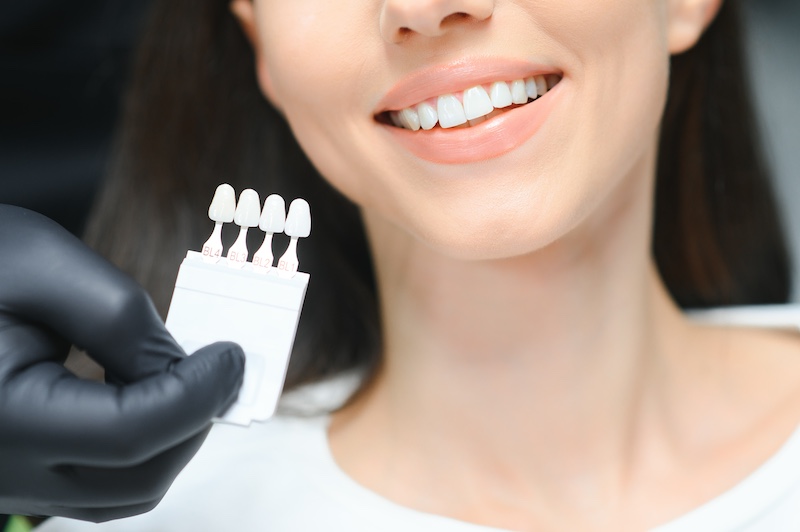

Cosmetic dentistry encompasses an array of specialized clinical procedures that modify the physical appearance of teeth and surrounding gums. Dental practitioners evaluate the structural integrity of the mouth, and they formulate a comprehensive restorative treatment plan for the individual. While certain chemical applications modify the existing enamel, alternative methodologies use the adhesion of synthetic substrates onto the natural teeth. These treatments are used with the goal of evening out the smile and making the teeth uniform.
Evening Out Color
Because stains accumulate on the tooth surface from daily food consumption, dental professionals apply high-concentration peroxide compounds to the enamel. These bleaching formulations are used in cosmetic dentistry to penetrate the pores within the enamel of the tooth structure. The oxidizing chemicals remove staining compounds, and the color of the teeth reflects light with greater uniformity.
Dental practitioners use precise dental trays to apply the bleaching agent to the teeth. The chemical solution remains in contact with the enamel, and the clinician monitors the soft tissues to prevent chemical irritation. If the individual exhibits sensitivity during the bleaching application, the practitioner neutralizes the peroxide and decreases the concentration for future sessions. Dentists may recommend avoiding dark beverages like coffee or cola to avoid future staining of the teeth.
Covering Chips
Clinicians routinely place materials onto fractured edges of the teeth, and they sculpt the material to match the adjacent teeth. This specific resin requires targeted exposure to an ultraviolet curing light. Before the polymer matrix is cured entirely, the attending dentist modifies the exterior surface to make sure the tooth does not catch other teeth while chewing. These treatments fill smaller chips for a more uniform smile.
Porcelain laminate veneers are an alternative methodology for resolving localized structural deficits in the teeth. Although veneers often necessitate shaving off small amounts of the natural enamel, they ultimately establish a highly durable exterior facade. Specialized dental laboratories create these ultra-thin porcelain shells according to impressions taken from the patient, and the dentist bonds them onto the properly modified teeth.
Because the specialized resin cement establishes a permanent bond, the porcelain integrates with the natural tooth structure. The practitioner evaluates the movement dynamics to prevent mechanical failure while chewing. The clinician performs subtle adjustments during the final placement phase, and the individual receives instructions regarding the maintenance of these ceramic restorations.
Filling Gaps
Orthodontic intervention functions as the primary mechanism for adjusting misaligned teeth and closing interdental spaces. Short-term braces can be used to adjust the teeth to align properly, and both adults and children can benefit from these practices. When individuals choose to use braces for dental alignment, they can experience a treatment length of as little as six months.
Begin Cosmetic Dentistry Treatment
Patients who are interested in cosmetic dentistry should consult with a dentist before beginning treatment. A professional dentist can provide their patients with options for cosmetic treatments, and patients can inform their dentist of their aesthetic goals. If you experience teeth staining, chips, or misaligned teeth, there are options to help create a uniform smile. Contact a cosmetic dentist for a consultation today.