
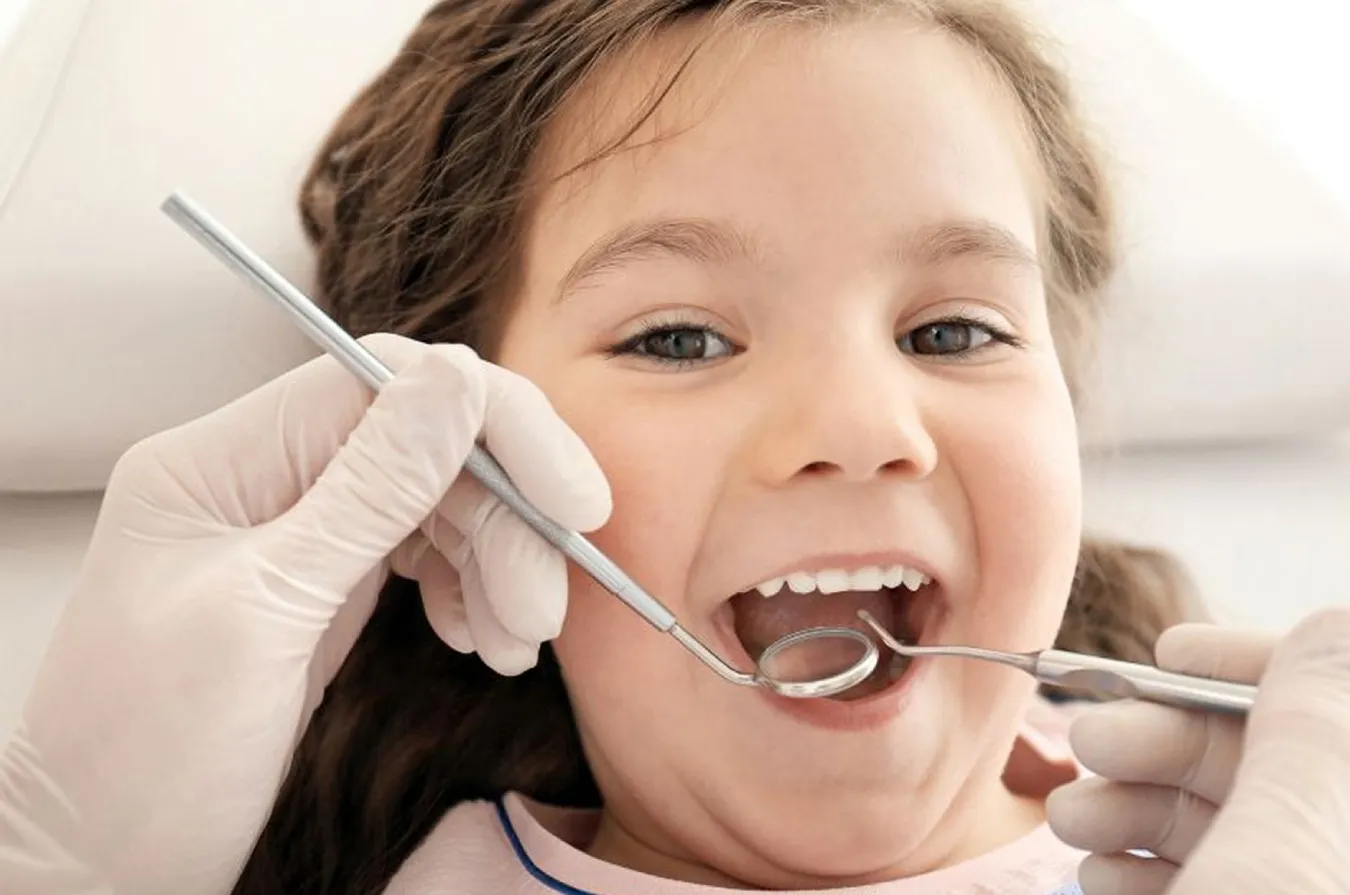

Pediatric dentistry focuses on oral care for infants, children, and teenagers. It covers various services, from routine dental visits and preventive care to habit guidance and treatment planning. A dentist monitors developing teeth and gums, and they also help families understand what type of dental care fits each stage of childhood. Here’s more information about the role of pediatric dentistry:
Monitoring Oral Development
A primary role of pediatric dentistry is tracking how a child’s mouth changes over time. Teeth do not appear all at once, and the mouth continues to develop for many years. A pediatric dentist watches for patterns in tooth eruption, spacing, bite alignment, and general oral development during routine visits.
These regular checkups create a record that helps identify changes as children grow. The dentist may note how baby teeth are coming in, if permanent teeth are appearing on schedule, or whether there are signs that future orthodontic review would be helpful. This type of monitoring gives families a clearer picture of what is happening, and it helps them understand potential next steps.
Addressing Childhood Habits
Specialized dentists can help families manage habits that affect oral development; thumb sucking, pacifier use, nail biting, and prolonged bottle use are possible concerns. These habits may change as children grow. The dentist reviews the habit, the child’s age, and any visible effect on the teeth or mouth. They may offer practical suggestions for limiting or ending the habit in a gradual and manageable way. This guidance provides families with a more structured and coordinated plan of care.
Providing Preventive Services
Preventive care is a central part of dentistry for young patients. Rather than focusing only on treatment after a problem appears, dentists also work to reduce the risk of common dental issues through regular care and guidance. Preventive services for pediatric clients may include:
- Routine dental exams
- Professional cleanings
- Fluoride treatments
- Dental sealants
These services help build a steady care routine. They also give parents practical information about brushing, flossing, and visit schedules. Clear guidance is beneficial; this is because daily habits at home play a significant role in a child’s oral care over time.
Managing Age-Specific Needs
Dentists address age-specific needs for each patient. Toddlers may require early evaluations and parent education. School-age children often need routine exams, cleanings, and monitoring as baby teeth fall out and permanent teeth come in. Teenagers may require continued preventive care along with closer attention to alignment and oral hygiene. Each stage brings different concerns, and pediatric dentistry offers a consistent approach that adjusts over time.
Supporting Family Guidance
Pediatric dentistry also serves an educational role. Parents and caregivers may have questions about brushing technique, toothpaste use, teething, or when to schedule the next visit. A dentist helps families understand what to watch for between appointments, and they plan future care with guidance that reflects the child’s age and oral development.
Consult a Pediatric Dentist
A pediatric dentist offers age-specific support for growing patients; this includes routine exams, preventive services, development tracking, and habit guidance. This specialty helps families navigate oral health needs with clear information and structured care. To obtain a better understanding of your child’s dental needs, schedule a visit with a specialized dentist today.